
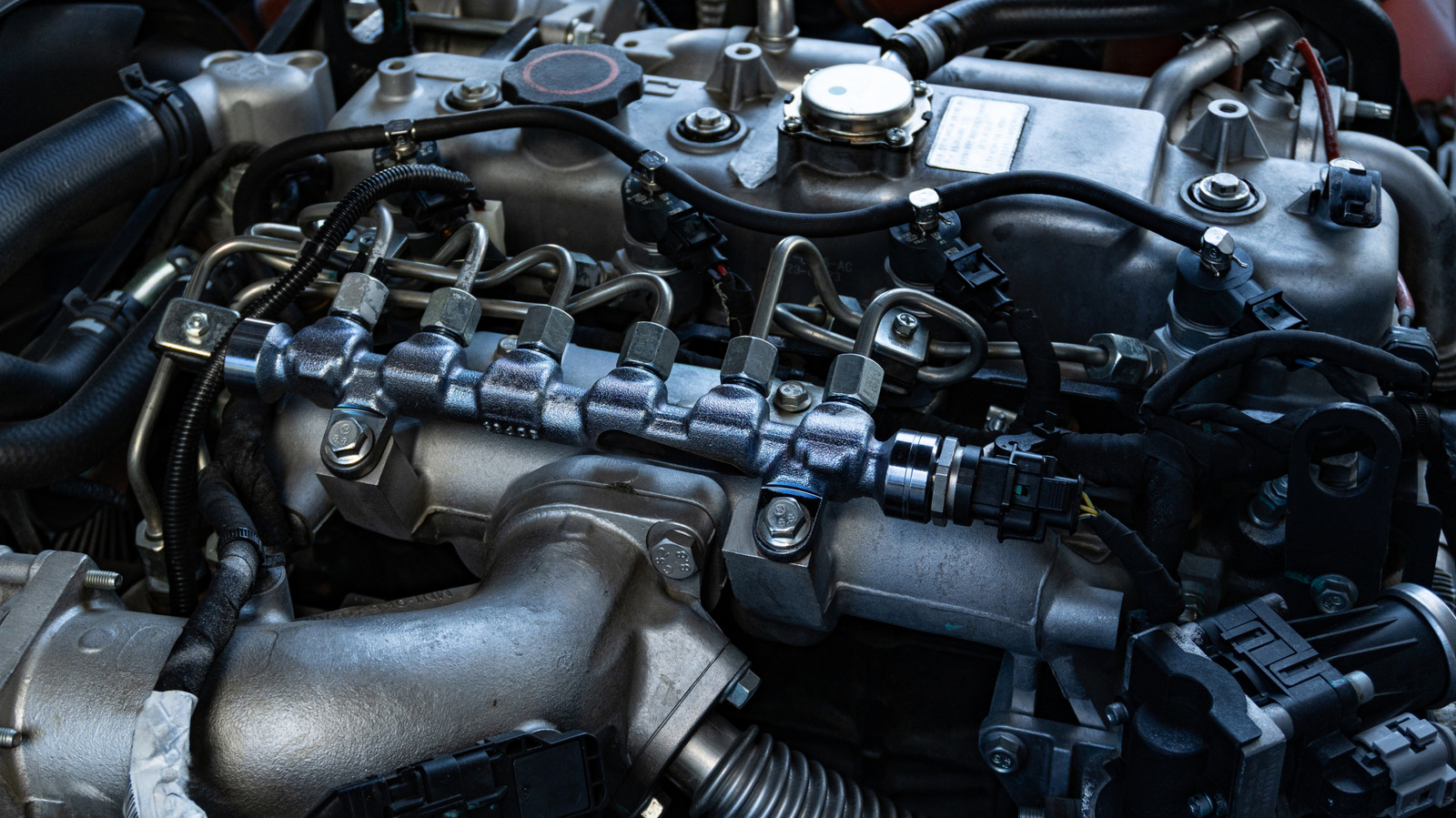
Engine mounts do a quiet but serious job, holding the engine steady while soaking up vibration that would otherwise rattle through the whole car. They are not flashy parts, but when they wear out, the bill can sting because getting to them takes real time, specialized lifting gear, and a careful teardown around the engine bay.
That is the frustrating part for a lot of drivers. The mounts themselves can be relatively cheap, sometimes just a few dollars to a few hundred depending on the design, but the labor is where things get expensive fast.
Replacing them is not the kind of job that happens in a hurry. The engine often has to be supported and lifted slightly so the mounts can be reached, and that means the surrounding hardware, hoses, and connected components all have to be managed with care.
There is also no one-size-fits-all setup. Different vehicles use different numbers of mounts, and those mounts can vary in size, material, and location, which changes how much work is involved and how long the repair takes.
That complexity is why the repair cost can climb well beyond the price of the parts. A mechanic is not just swapping a bracket or a rubber piece, but working around a heavy engine that cannot simply be removed from the car like a loose part on a bench.
When mounts start failing, the signs usually show up in ways drivers can feel. Extra vibration is one of the big warnings, especially at idle, during startup, when shutting the car off, or while driving over rough pavement.
Sometimes that shaking creeps into the steering wheel, seat, or floorboard, which makes the whole car feel rougher than it should. If the engine is no longer held firmly in place, it can shift enough to create clunks, thuds, or other odd noises as it moves against nearby parts.
That movement is more than annoying. A loose engine can put strain on belts, hoses, manifolds, and even the transmission, turning one worn part into a chain reaction of damage that spreads through the vehicle.
Once that starts happening, the repair no longer stops at the mounts. Extra stress on connected parts can lead to cracked components, broken attachments, and more labor as the problem ripples outward through the engine bay.
That is why delaying the fix can backfire badly. What begins as a vibration problem can turn into a much bigger mechanical headache, with costs stacking up faster than many drivers expect.
Even though engine mount replacement is rarely a glamorous repair, it is one of those jobs that pays to handle before the situation gets worse. The smarter move is to pay attention to the early signs and get the issue checked before the engine starts shaking loose enough to create far more expensive trouble.
