
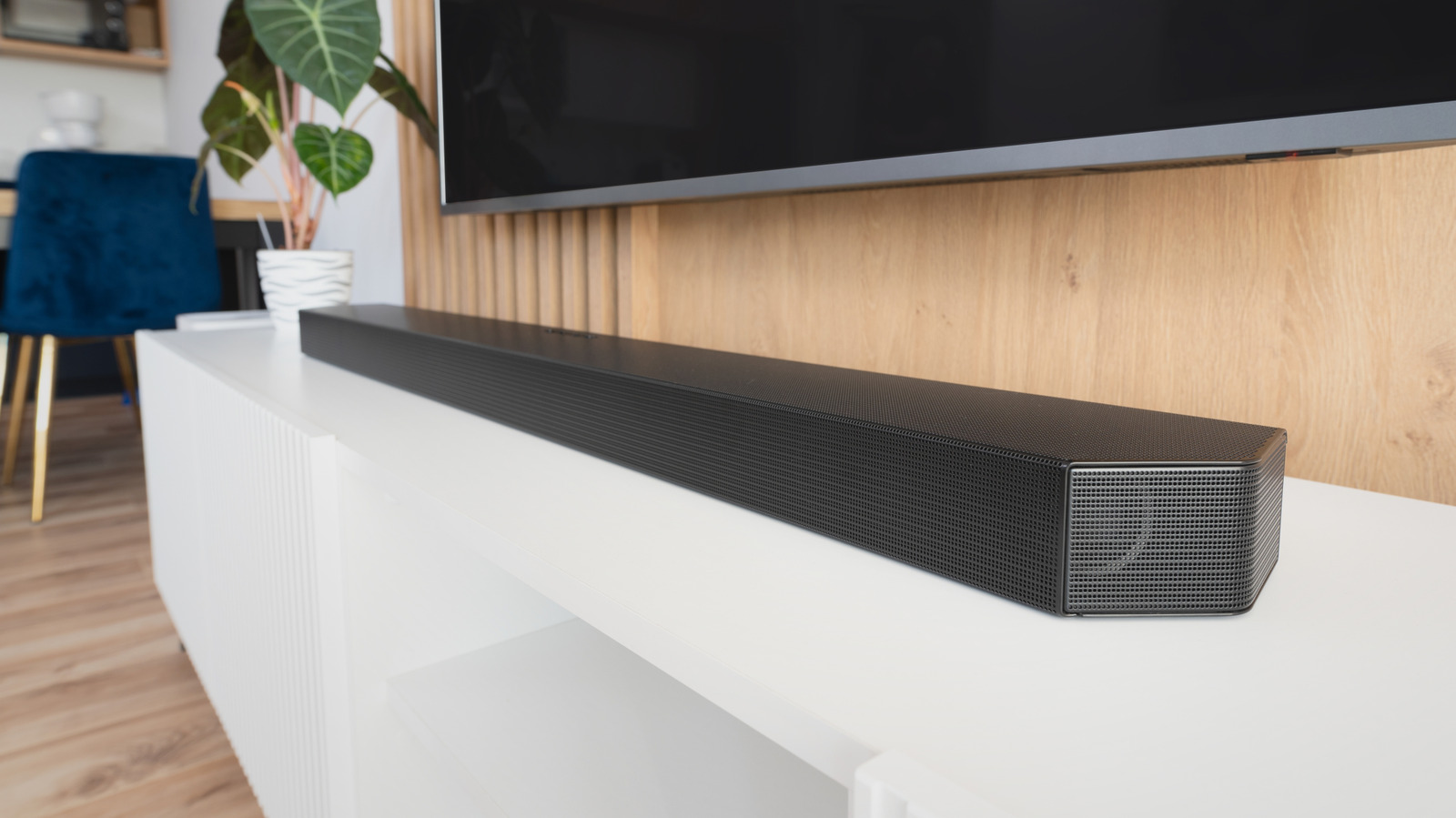
- Explain what soundbar channels mean
- Break down the channel numbers in a simple way
- Show how channel count affects sound and room fit
- Highlight the role of the center channel
- Cover bass, subwoofers, and height effects
- Keep the main topic front and center
If you have ever looked at a soundbar label and seen a string like 5.1.2 or 11.1.4, it can feel like tiny audio math thrown at you for no reason. The good news is that those numbers are actually pretty easy to decode once you know what each one stands for, and they tell you a lot about how the system is built to fill a room with sound.
The first number is the main act. It tells you how many primary audio channels the soundbar uses for the core of the soundtrack, including dialogue, music, and effects. The second number points to the subwoofer channel, which is the part that handles low-end bass and gives explosions, drums, and rumble that extra punch.
If there is a third number, that usually means height channels. These are designed to make sound feel like it is coming from above, which is especially useful for immersive formats that try to place you inside the scene instead of just in front of it.
That is why a 5.1.2 setup sounds more complex than a plain 2.1 system. In that example, the soundbar is built around five main channels, one subwoofer channel, and two height channels, so it can spread audio around the room in a much more layered way.
More channels can absolutely mean a bigger, wider, more cinematic sound. But bigger is not always better, especially if the room is small or the listening distance is short. In a tight space, a simpler setup can sometimes sound cleaner and more balanced than a packed system that has nowhere to breathe.
That is why a modest 2.1-channel soundbar can make a lot of sense for everyday TV watching. It gives you a step up from your TV speakers without turning your living room into a full home theater project, and for many people that is exactly the sweet spot.
On the other hand, a larger soundbar system can shine when you want more separation and more of a surround-sound feel. Add rear speakers, extra drivers, or a stronger subwoofer, and the whole setup starts to feel more spacious, with sound effects moving around instead of staying stuck in one flat line.
The center channel is one of the most useful parts of the mix, and it deserves more attention than it usually gets. It is the channel that helps anchor voices, which can make dialogue much easier to follow when movie scenes get noisy or when background music starts pushing everything else around.
That clarity matters more than people realize. If you have ever had to crank the volume just to catch a line of dialogue, a strong center channel can be a real relief because it keeps speech upfront and easy to hear without making the rest of the audio feel muddy.
Bass is another part of the equation that can change the whole experience. A soundbar with a subwoofer can deliver deeper low-end impact, which adds weight to action scenes, sports, and music, while a system without one may sound thinner even if the mids and highs are solid.
Height channels are the feature that tend to make people sit up and go, okay, now this feels fancy. They help create that overhead effect you notice in movies with aircraft, rain, or swirling action, and when they are done well, they make the listening space feel taller and more alive.
Still, channels are only part of the buying decision. The size of the soundbar, the layout of the room, and where the TV sits all matter too, because a great soundbar in the wrong spot can still sound awkward or underwhelming.
That is why it pays to match the soundbar to the room instead of chasing the biggest number on the box. A setup that fits your space, supports the kind of listening you actually do, and gives you the right mix of dialogue, bass, and spatial effects will usually feel better day to day than a system that looks impressive on paper but overreaches in real life.
