
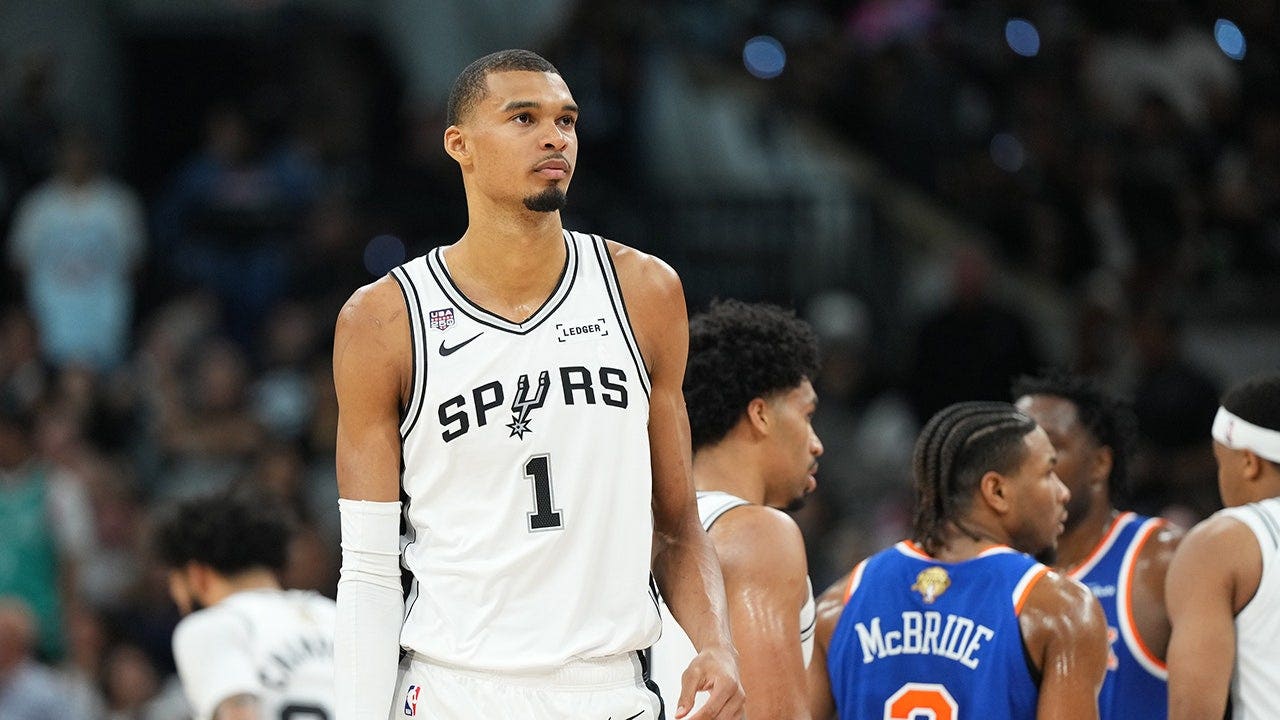
Victor Wembanyama and Jose Alvarado collided in a rebound scrum during Game 2 of the NBA Finals, and what looked like a grab around the neck quickly became the midday talking point of the series. The moment was brief but sharp: bodies banging, referees monitoring, and a replay that begged more questions than it answered. Fans, analysts, and both teams had to sort intent from impact before the series could move on.
The play itself unfolded in real time as a standard rebound chase got physical. Wembanyama rose, elbowed for position, and then appeared to make contact with Alvarado near the neck while both wrestled for the ball. It was the kind of contested possession that can swing a quarter, but the neck contact is what turned heads and fueled the postgame heat.
On the court there was no immediate flagrant call, and Alvarado stayed in the game, which only amplified the debate afterward. Teammates clustered, coaches exchanged looks, and the referees sent both players back to action without a technical. That lack of an on-the-spot penalty left the league’s review process as the next step for anyone looking for accountability.
Broadcast crews replayed the sequence from multiple angles, parsing the grip, the timing, and whether the contact was deliberate or incidental. Analysts split into camps: some labeled it hard basketball, the kind of physicality that happens in playoff paint, while others argued it crossed the line into unsafe behavior. The replays couldn’t manufacture intent, but they did magnify every millisecond of the interaction.
Social platforms lit up fast, with fans proving once again that context is optional and conviction is immediate. Clips looped, reactions stacked, and narratives formed around a single frame where Wembanyama’s hand meets Alvarado’s neck. The velocity of online response forced mainstream voices to weigh in, turning a quiet rebound fight into a story about sportsmanship and player safety.
There’s historical precedent for both strict and lenient outcomes in these moments. Big men have always played with hands on bodies, and sometimes referees let the game breathe; other times the league has retroactively disciplined players for what was missed live. That patchwork of decisions creates a tension every time a borderline play occurs: will the precedent protect the player or the spectacle?
For the teams involved, the incident had immediate tactical ripple effects. Coaches adjusted matchups and reminded players about staying out of foul trouble, while officials and the league evaluated whether the play warranted supplementary discipline. The looming threat of review can alter how a player attacks the rim or defends a board, and in a series as tight as the Finals, small changes matter.
Officiating consistency remains a recurring theme whenever contact becomes the headline. Fans and professionals alike ask for clearer standards and faster, more transparent explanations from the league when decisions are not made on the spot. The NBA’s replay and disciplinary frameworks are supposed to bridge those gaps, but these episodes show there’s still work to do when perception and policy collide.
As the teams prepare for the next game, the play will live in the back of minds and meetings — a reminder of how little separates a hard foul from a suspension, and how quickly the narrative can shift. Players will keep battling for every inch, referees will keep making split-second calls, and viewers will keep arguing over the replays. For now, the grab — intentional or not — is part of the series’ texture, and the consequences will reveal themselves in the days ahead.
