
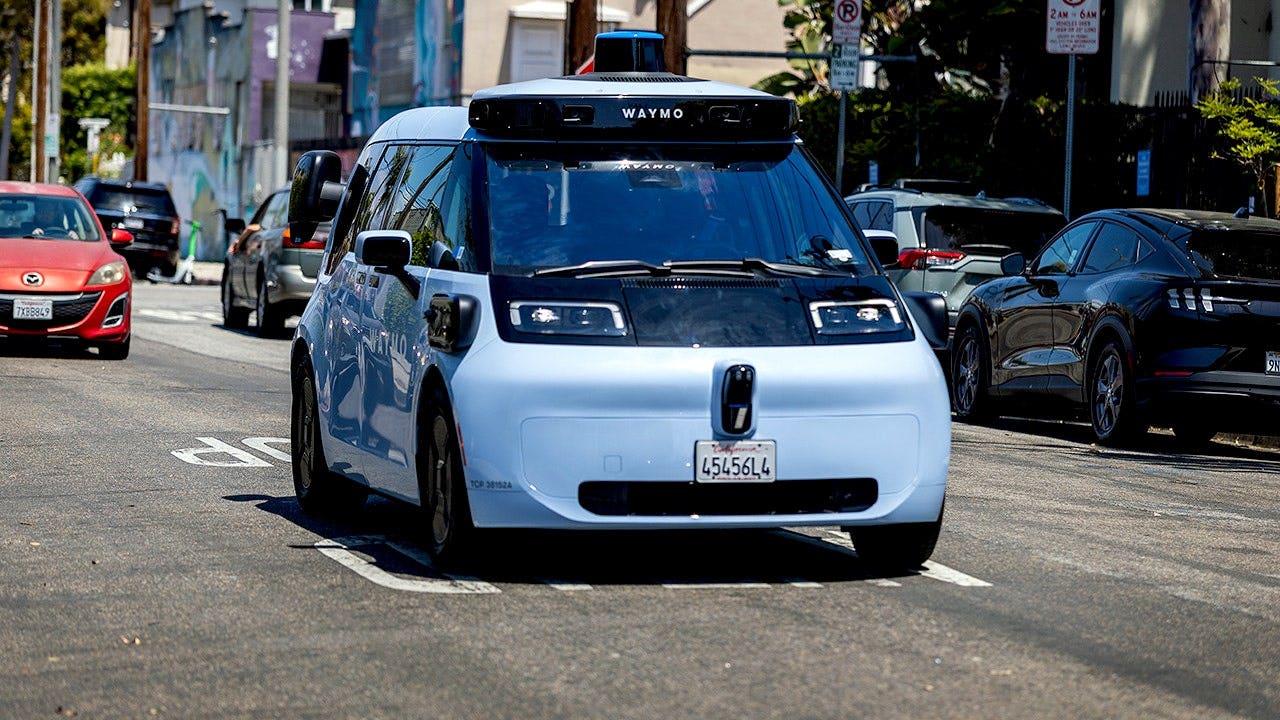
The new Waymo Ojai robotaxi rethinks what a driverless ride can feel like, focusing on roomy cabins, accessible design and practical fleet maintenance while rolling out to more U.S. cities. It blends a rider-first interior with Waymo’s latest self-driving system and factory plans that hint at scaling beyond warm-weather test markets. Comfort, safety and real-world durability are all on the table as Waymo invites people to try the experience for free at first.
Stepping into a car with no one behind the wheel still makes plenty of people uneasy, and Waymo seems to have noticed. The Ojai is built to put passengers at ease from the moment they sit down, whether that means more legroom, lower floors or simple in-cabin controls. Those small touches add up when you want a ride that feels familiar and usable.
Waymo plans to start public rides in the coming weeks, with early access in several major cities and complimentary trips for a limited period. That free window is smart—feedback from real passengers helps shape the service and lets Waymo refine things before wider rollout. Gradual expansion is the strategy, moving from test riders to broader availability over time.
Waymo has a list of additional cities it intends to add, and the company is opening up tester access through its app to collect early impressions. Bringing driverless service to more places means thinking about different weather, road types and rider needs. The Ojai is clearly designed to handle more diverse use while keeping passengers comfortable.
CHINA’S FIRST MASS-PRODUCED FLYING CAR DEBUTS This headline appears in the coverage to underline how transportation tech is shifting fast and ideas about mobility keep expanding. The Ojai slots into that bigger trend by showing how ground-based, autonomous transport might evolve for everyday riders.
Inside, the Ojai feels like a fresh take on cabin design rather than a regular car with tech grafted on. Three large adaptive screens let riders tweak temperature, choose music and interact with trip features, while plentiful cupholders and charging ports cover the basic needs people notice immediately. Those hardware choices aren’t flashy, but they matter the moment you’re holding groceries or juggling luggage.
Accessibility is baked into the vehicle from day one: a flat floor, lower step-in height, Braille labels, grab bars and screen-reader compatibility aim to help riders who need extra support. Designing for those realities makes the service usable for older passengers, those with disabilities and anyone carrying bulky items. That inclusivity may expand who feels comfortable trying a driverless ride.
WAYMO TEAMS UP WITH WAZE TO SPOT POTHOLES FASTER That mention signals Waymo’s focus on operational resilience and smarter mapping, which feed directly into safer passenger trips. Better awareness of road conditions and potholes matters when autonomous vehicles are operating at scale and across varied streets.
The Ojai debuts with Waymo’s sixth-generation Waymo Driver powering the system, an upgrade meant to handle tougher conditions like snow and slush. Handling messy weather would let Waymo move past warm-weather niches and into more climates, making the service useful year-round. Tough weather and construction zones remain some of the hardest real-world tests for autonomy.
Waymo says its Arizona factory is gearing up to produce many vehicles annually, with the Ojai first and other models to follow. A fleet needs scale to be practical, and Waymo emphasizes modular designs, easier-to-clean interiors, faster charging and maintenance-friendly layouts. Those operational details are boring but crucial if driverless taxis are going to serve large numbers of riders.
UBER UNVEILS A NEW ROBOTAXI WITH NO DRIVER BEHIND THE WHEEL That line sits alongside as a reminder that multiple companies are chasing the same goal: practical, driverless mobility. Competition tends to accelerate improvements in comfort, safety and affordability.
Waymo has already logged millions of fully autonomous trips, and the Ojai is its next push to normalize the idea of a car with no driver. Still, the technology keeps hitting real-world snags—Waymo paused freeway service in some places recently to address software issues tied to construction and flooding. Those pauses show that a nicer cabin helps convince riders, but the core job remains getting people from point A to point B safely.
Would you climb into Waymo’s new Ojai robotaxi for a free ride, or do driverless cars still need more proof before you’d trust one? Share your thoughts in the comments or with other readers to keep the conversation going.
