
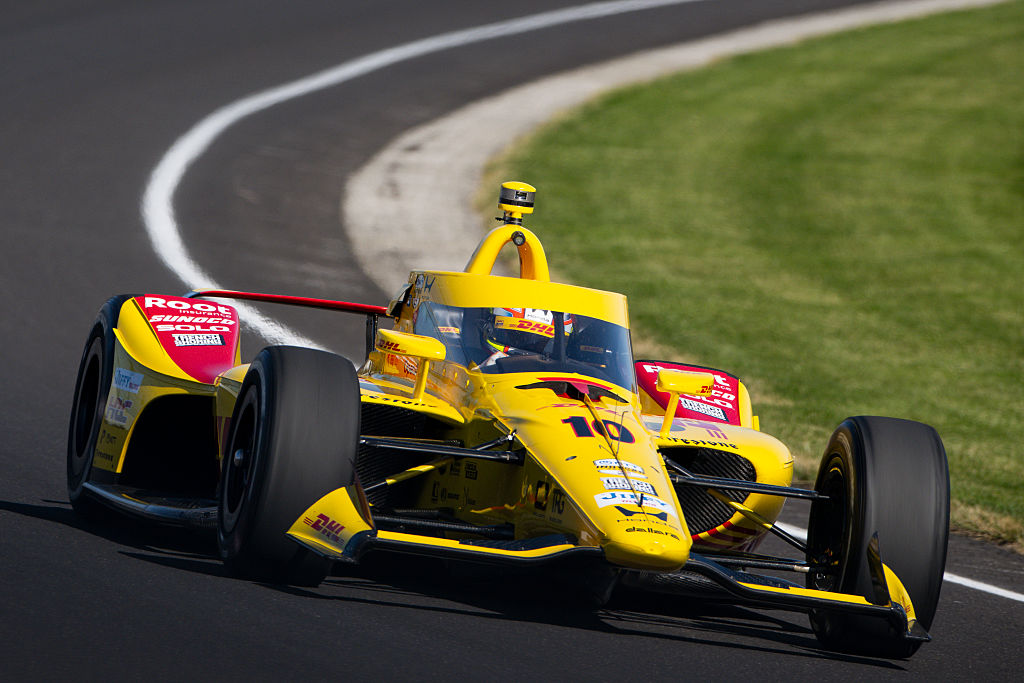
The Indianapolis 500 is back and this guide walks you through how to watch the big weekend in 2026, covering practice windows, the key calendar moments, broadcast partners, and streaming options so you can catch every lap without scrambling at the last minute.
Practice week at Indianapolis is a stretched-out dance, with teams running on multiple days in the weeks leading up to race day. Expect early-month sessions for tuning and race setups, followed by concentrated runs the week of the race, including official practice, final practice and the traditional Carb Day dress rehearsal. Those sessions matter because they reveal speed trends and give viewers insight into who might contend when the green flag drops.
Qualifying typically happens on a dedicated weekend, with the field locked in across two main days and the fast four or top rows decided in a dramatic shootout. Timing for qualifying is usually announced well in advance and tends to fall two to three weeks before the race, so mark your calendar once the official schedule is released. Watching qualifying is essential if you want context for race day strategy and to know which drivers will be starting at the front versus working through traffic.
Race day falls on Memorial Day weekend, the crown jewel of the IndyCar season, and traditionally runs in the early afternoon local time. Expect the main broadcast window to span several hours to cover introductions, pace laps, and post-race ceremonies; the exact start time will be confirmed by the organizers and the TV partner as the event nears. Planning ahead for the time zone difference will keep you from missing the opening laps if you’re watching from outside the Eastern time zone.
NBC is the broadcast partner that has carried the Indianapolis 500 in recent years, and live television coverage will handle the full event, including the pre-race build-up and post-race interviews. For streaming, Peacock has been the go-to platform for live online viewing of IndyCar events, often simulcasting the race feed and adding extra camera angles, in-car views, and on-demand highlights. If you prefer mobile or want alternate commentary, the official IndyCar app and radio partners usually offer live streams and extended audio coverage.
International viewers should check local listings and the streaming service availability in their country, since blackout rules and distribution deals can vary. Cable and satellite packages that include the domestic broadcaster will generally work, but streaming subscriptions like Peacock make it easier to watch on phones, tablets, smart TVs, and connected devices without a traditional TV provider. If you rely on streaming, test your connection and sign in ahead of time to avoid login or buffering problems when the field takes the green.
Don’t overlook the supplemental content: practice highlights, driver interviews, and team social channels provide extra color that you won’t always get in the live broadcast. These clips help explain pit strategy, tire choices and setup changes that influence who’s competitive on race day. For fans who follow specific drivers, team feeds and driver socials are where you’ll often see candid behind-the-scenes moments and quick updates from the garage.
If you want the full sensory experience but can’t make it to the Speedway, tune into IndyCar Radio or satellite radio coverage for uninterrupted commentary and pit lane reports. Local radio stations around Indianapolis also carry the race for listeners in the area, while streaming and television handle the visuals. No matter which platform you choose, give yourself a little lead time, have your preferred streaming credentials ready, and enjoy one of motorsport’s most historic and intense days of racing.
