
America’s AI boom is no longer some distant headline. It is showing up in quiet neighborhoods, federal policy, company boardrooms, and even in the uneasy questions people are asking about safety, jobs, and power. The latest round of AI news mixes big promises with real tension, from data centers in suburban backyards to governments and tech giants trying to keep pace.
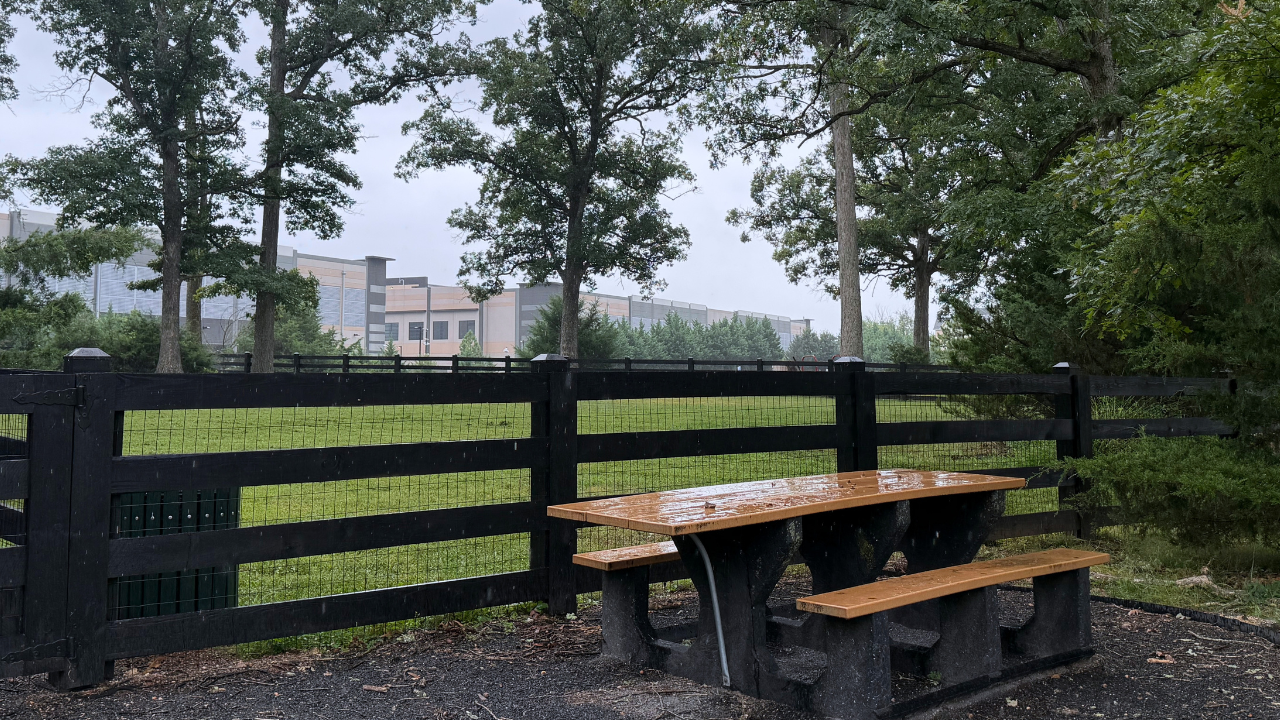
In Loudoun County, Virginia, residents living near a data center say the AI gold rush has landed right next door. What used to feel like a tucked-away cul-de-sac now sits beside the machinery driving the next wave of digital growth, and that has changed the mood fast. For homeowners, the issue is not abstract economics anymore, because the future is literally on the other side of the fence.
That local friction is part of a bigger national push. President Donald Trump has stayed firmly in the camp of building out the infrastructure needed to keep America competitive, especially as China keeps pressing ahead. Supporters argue that backing away from data centers and energy-heavy computing would hand a huge advantage to Beijing at exactly the wrong moment.
At the same time, the AI arms race is raising sharper concerns overseas. Chinese AI company Moonshot AI is under internal review after a researcher found one of its models could be pushed toward dangerous instructions involving bioweapons and assassinations. That kind of discovery is a reminder that the same tools making AI more useful can also make it a whole lot more dangerous if guardrails are weak or ignored.
Safety worries are not limited to foreign models. Nvidia recently rolled out new security tools for AI agents, designed to keep them from going rogue and causing damage behind the scenes. The move points to a growing reality in the industry: as AI systems become more autonomous, they also become harder to trust without tighter controls.
Then there is the government angle, where Trump’s new AI-powered America.gov platform has drawn attention for hiding unexpected features inside the federal site. Users have found playful touches like a Minecraft-style response and even a search bar that turns into a hot dog, a sign that public-facing technology is getting a lot more personality than old-school government websites ever had. It is quirky, but it also reflects how AI is being used to make federal tools feel less stiff and more interactive.
Trump is also pushing a broader rebrand inside the executive branch, ordering federal agencies to use the term “Super Intelligence” instead of “artificial intelligence.” That language shift is more than cosmetic, because it signals a White House effort to frame the technology as a national power play rather than a slow-moving science project. The message is clear: this is about dominance, not dabbling.
Not everyone is thrilled with the direction things are heading. Protesters recently disrupted a pro-data center event in Washington, D.C., yelling about water use and the strain the industry can place on communities. Their message hit on a familiar tension, since the same facilities that power AI expansion also draw scrutiny over land, water, energy, and what neighbors are expected to sacrifice.
The political arguments around AI are getting louder too. Rep. Alexandria Ocasio-Cortez painted a bleak picture of an AI-driven future, warning about elites, jobs, and growing dependence on machines. On the other side, Sen. Ted Cruz has warned that America’s race against China is being shaped by coordinated propaganda, which only adds more fuel to an already heated debate.
Even the media narrative is part of the battle. Some outlets have leaned hard into phrases like “AI apocalypse” and “AI doomsday,” while critics say the panic is being overstated. That split matters because public opinion is now shaping how fast companies build, how aggressively government responds, and how much fear enters the conversation before people have even lived with these systems long enough to judge them fairly.
Outside the headlines, the practical uses of AI keep spreading. Meta has unveiled a version of its Muse AI agent for small businesses, which is another sign that the technology is moving beyond giant labs and into everyday operations. Whether it is federal websites, local zoning fights, or shop owners looking for a competitive edge, AI is no longer knocking at the door. It is already inside, rearranging the furniture.
