
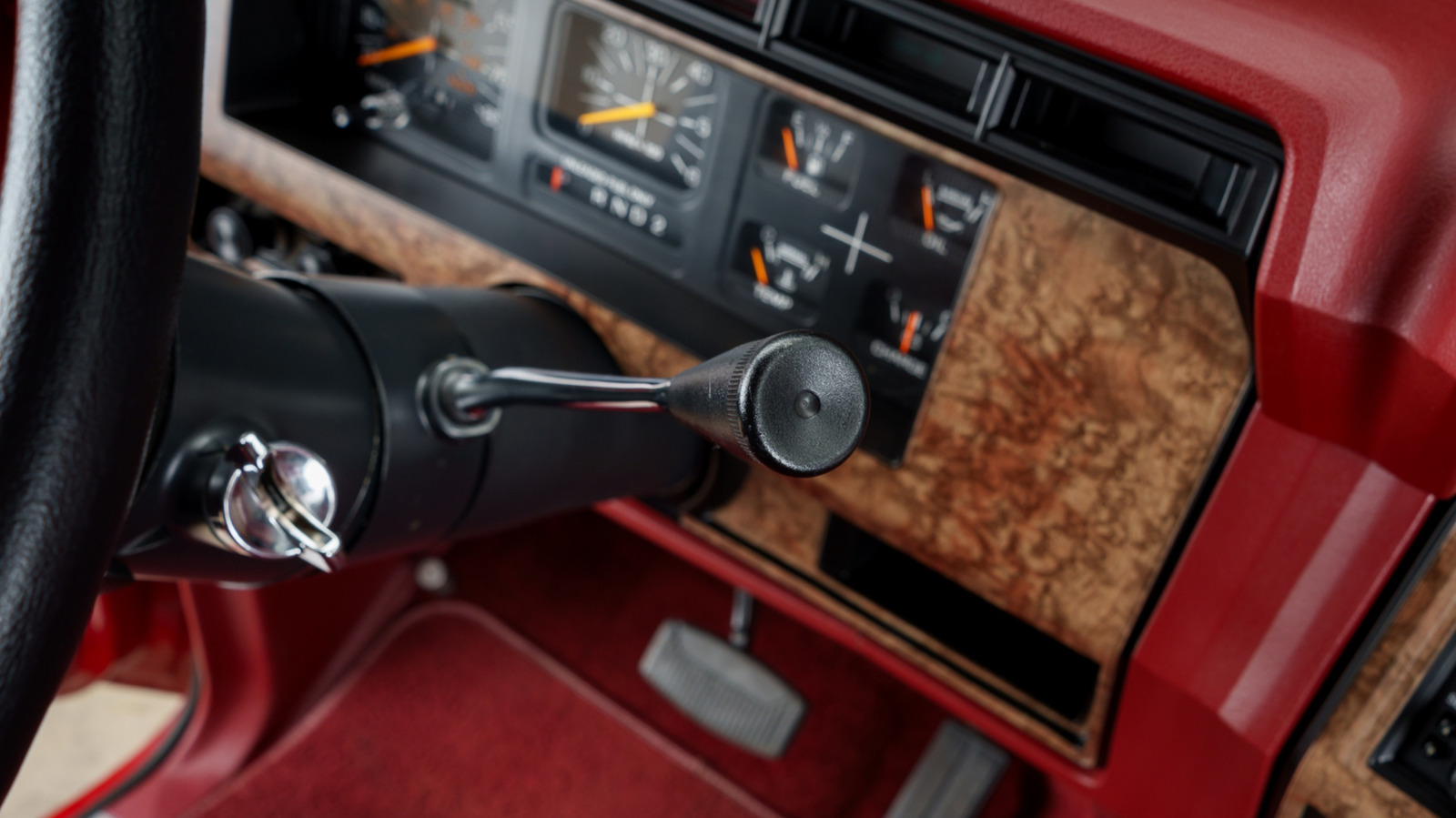
We track the oddball history of the classic “three on the tree” column shifter, explain why it faded away for decades, show how and why it has returned to some vehicles, and explore what that comeback means for drivers and collectors today.
The “three on the tree” column shifter started as a tidy, practical solution when bench seats and three-across seating were common and manual gearboxes ruled the market. Mounting the shifter on the steering column freed up floor space and made it easier to slide from seat to seat, which mattered a lot in the era of family-focused sedans and basic trucks. It was as much a furniture decision as an engineering one, fitting the social and design needs of midcentury cars.
Through the 1950s into the 1970s the column shifter felt normal in American cars, a symbol of roomy interiors and straightforward mechanics. Many drivers learned to row three gears on the column as a rite of passage, and manufacturers kept that setup around because buyers expected it. It was reliable, easy to service, and blended into the minimalist dashboards of the time.
Things changed as automatics grew cheaper and more fuel-efficient transmissions appeared, shifting the industry toward floor shifters and consoles that signaled sport and performance. Front-wheel-drive layouts and new safety standards also nudged engineers to reposition controls for crumple zones and interior packaging. By the late 1970s the column manual was increasingly rare, with manufacturers favoring ergonomics and the aesthetics of center-mounted shifters.
The return of the column shifter is not a wholesale revival but a targeted one, driven by nostalgia, design grammar, and clever electronics. Retro-minded models and custom restorations brought the look back, while modern implementations often rely on electronic linkages rather than purely mechanical rods. Designers now treat the column shifter as a styling cue or a companion to bench seating in limited runs rather than a mass-market standard.
Contemporary versions respect the past but avoid the compromises that once forced trade-offs between space and function. Pull-and-release electronic columns, rotary dials, and stalk shifters give the same visual cue as the old “three on the tree” while meeting modern safety and emissions constraints. That split between form and function lets automakers tap into classic appeal without reintroducing outdated engineering weaknesses.
For drivers who grew up sliding into a bench seat, the column shifter carries a social memory as much as a mechanical one: family trips, parking-lot conversations, and the simple choreography of moving across three seats. Enthusiasts value that tactile memory, and restorers often prefer authentic column gearboxes to keep cars feeling original. Collectors then champion cars with that feature because it represents a specific era of design thinking.
Practical reasons exist too for using a column shifter in certain niches: some light-duty trucks and utility vehicles benefit from unobstructed floor space, and specific vintage-influenced models trade a small modern convenience for a larger historic payoff. But for the mass market, center consoles and compact transmissions remain dominant because they better accommodate airbags, infotainment, and modern driver aids.
So expect the “three on the tree” to stick around as a charming, occasionally practical relic that designers exploit when nostalgia and interior layout align. It will pop up in limited editions, restorations, and custom builds where the look matters more than the economics of scale. That balance between heritage and innovation is what keeps old features alive without turning back the clock on progress.
