
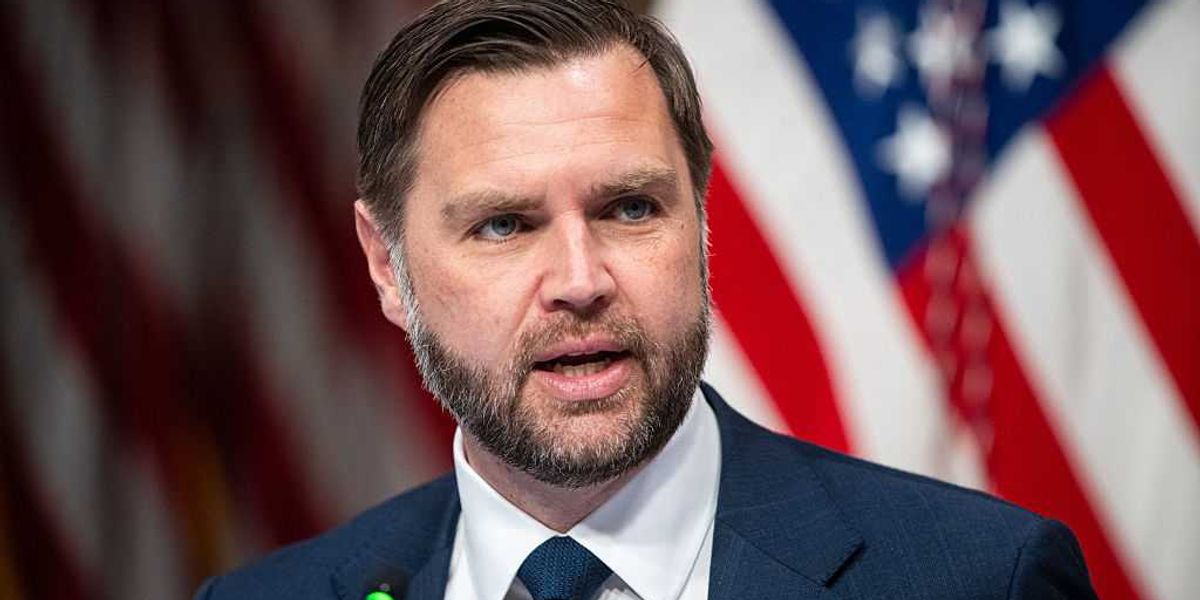
The White House Task Force to Eliminate Fraud, led by Vice President JD Vance, has gone on the offensive, exposing massive Medicaid and health care scams and even a case where an elderly patient allegedly died while a fraudster kept collecting payments. This piece looks at the shocking Minnesota example, comments from President Trump and Vance, a recent DOJ charge, and why aggressive enforcement matters for taxpayers and vulnerable Americans.
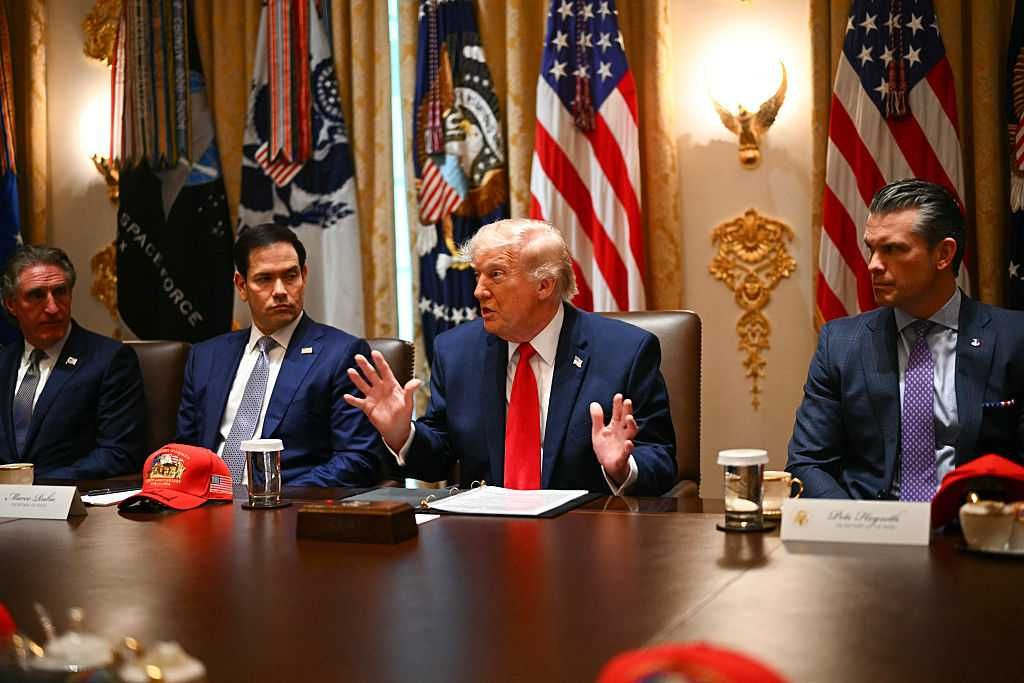
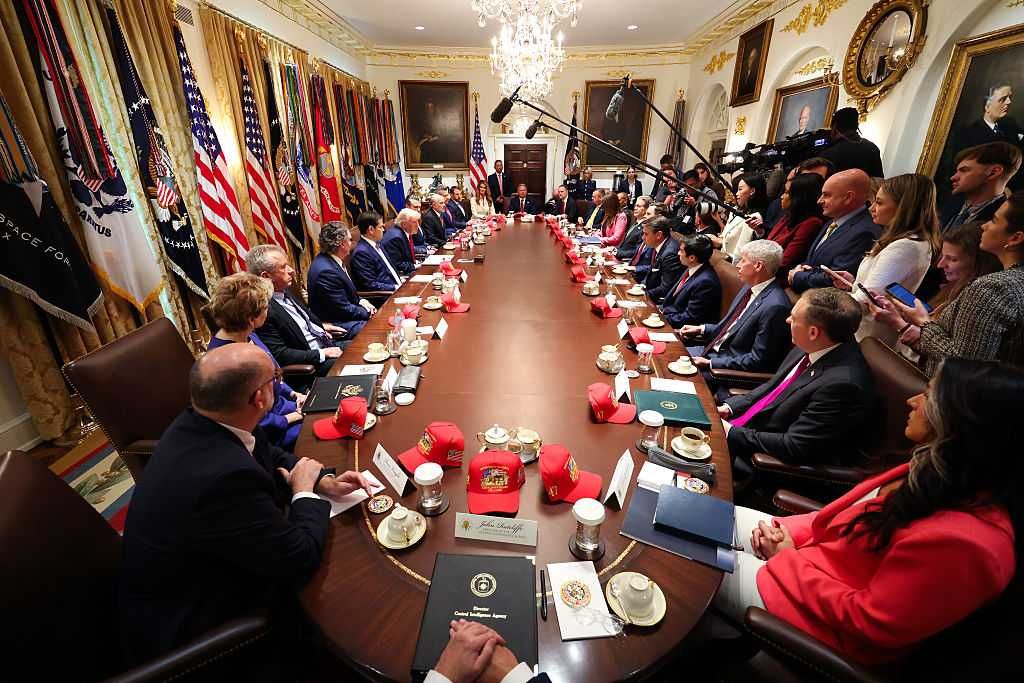
At a recent Cabinet meeting, Vice President JD Vance laid out a disturbing example from Minnesota where an elderly person reportedly died after not receiving promised care while claims continued to be billed. The case is a blunt illustration of what the task force calls systemic abuse of government programs. It’s painful and enraging in equal measure, and it puts a human face on the dollars the task force says have been stolen.
President Donald Trump praised the task force’s work and emphasized the scale of the problem. “In two months, we’ve exposed tens of billions of dollars of defrauded taxpayer money, prosecuted numerous fraudsters, and stopped billions of suspicious payments,” Trump stated. “Oh, you haven’t seen anything yet.”
Trump didn’t stop there, warning the theft goes far beyond a few bad actors. “I’ve never seen anything like it,” Trump continued. “Just hundreds of billions of dollars were stolen. And no other administration would do what we’re doing. They let it go. Everybody was getting rich. And I think we have a chance to save Social Security without doing anything to it.” That’s a Republican argument for enforcing the rules: protect the safety net by stopping theft at the source.
Vance framed fraud as a two-sided crime that harms taxpayers and the people the system is supposed to help. “We expect that there are tens of thousands of people who are collecting fraudulent money to take care of people, and they’re not actually taking care of them.” That line was repeated more than once because it’s the heart of the matter — money meant to protect vulnerable Americans is being diverted, and some victims are paying with their lives.
Federal prosecutors recently announced charges tied to a $1.4 million scheme where a provider allegedly billed for services that were never delivered. “The defendant in the prosecution announced today submitted claims for vulnerable recipients who required 24-hour care, one of whom was found deceased a day after being billed for services he did not receive,” the Department of Justice said. Those are not abstract numbers; they describe people neglected while fraud continued unchecked.
Vance told the Cabinet plainly, “We think that exact type of fraud has been replayed all over our country.” He and the task force are asking states, prosecutors, and auditors to move faster and smarter. The approach is combative by design: root out networks, hold providers and middlemen accountable, and reclaim taxpayer dollars so benefits go to the people who truly need them.
This kind of enforcement sends a clear message: cutting fraud isn’t partisan score-settling, it’s fiscal stewardship and moral obligation. Aggressive investigations, coordinated federal and state action, and public transparency can deter would-be fraudsters and restore faith in programs meant to protect elderly and disabled Americans. The administration says it’s just getting started, and for millions of honest taxpayers and dependent beneficiaries, that’s the outcome they want to see.
Kent NISHIMURA/AFP/Getty Images
Win McNamee/Getty Images
Enforcement will be messy and politically uncomfortable, but the alternative is worse: continued leakage from programs that matter to seniors and families. The task force aims to catch the patterns, prosecute the organizers, and stop payouts that bankroll fraud rather than care. That’s a straightforward promise to taxpayers and a concrete way to protect Social Security and other vital programs without cutting benefits.

