Uwe Boll is back in the kind of fight he likes: angrily poking at taboos, refusing to soften the edges, and daring the decade’s comfortable narratives to respond. He’s made a movie that courts outrage and then asks why outrage is always one-sided. The filmmaker is betting audiences want blunt answers, not careful compromises.
Boll has never been shy about antagonizing critics. Film reviewers have shredded his work for years, and he once even offered to settle scores in the ring. That tells you everything you need to know about his relationship with the mainstream press: it’s adversarial and intentional.
‘If I have six neo-Nazis raping a migrant girl, there would be no issues. Unfortunately, the criminal statistics show the [opposite].’ Those words sit in the air in a way few filmmakers dare. Boll’s goal here isn’t to be subtle; it’s to force a discussion most cultural gatekeepers prefer to avoid.
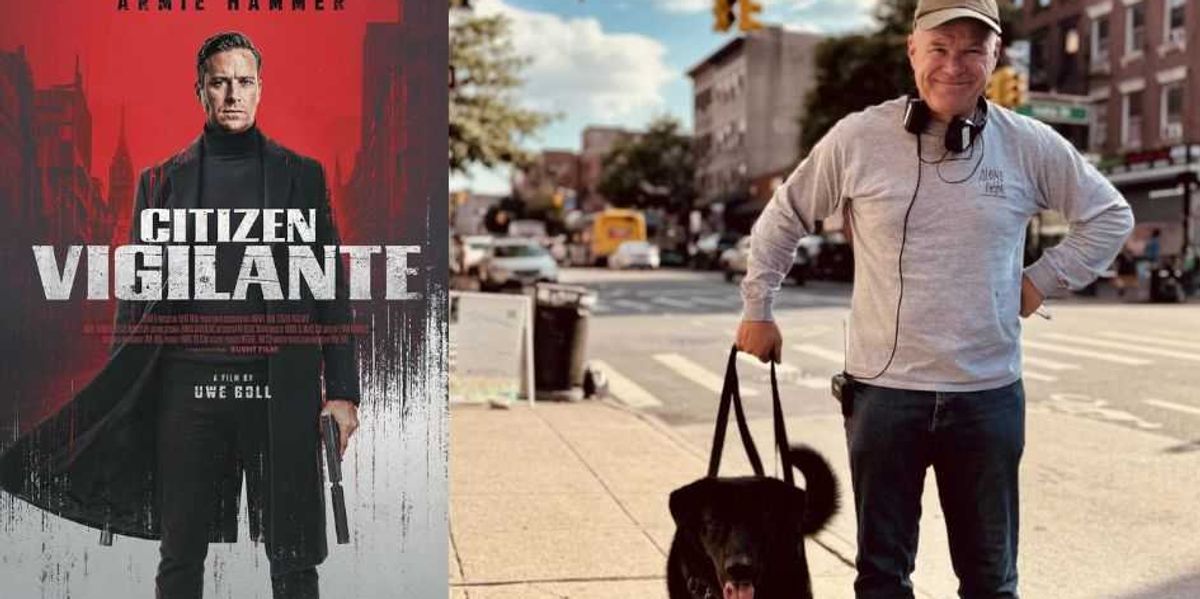
Armie Hammer leads the movie as a man fed up with recurring violent crime and what he sees as a system that lets offenders slip through. The setup has been compared to Death Wish, but Boll’s angle is sharper and politically charged in a way Hollywood studios won’t touch. He wants viewers to reckon with consequences and with whether the justice system always protects citizens first.
Boll sees critics calling his film right-wing as a cheap shortcut that dodges the core argument. “What is right-wing in saying rapists should not get off the hook?” he asks, and the question lands. From a conservative vantage point, the film’s focus on accountability and law matters more than ideological labels.
The film hits theaters amid fresh headlines about institutional failures to properly punish sexual predators. Boll uses that context to drive the story, not to preach. He wants audiences to feel the frustration of citizens who say institutions failed them and to consider what responsibility looks like when public systems fall short.
He’s blunt about his anger toward officials and media that, in his view, excuse violent behavior. “Newspapers called them poor, traumatized people who grew up with violence … but who gives a s**t? … Maybe they’re traumatized. Why are we importing them?” That line will upset many, but it captures the filmmaker’s impatience with narratives that prioritize explanation over consequence.
Boll insists he doesn’t oppose migrants who obey the law, a point he repeats but layers with skepticism about how statistics are handled. He accuses news outlets of diminishing crime associated with migration and says the silence from cultural institutions is deafening. From a Republican perspective, this is the kind of hard-talking, law-first messaging that resonates with voters who feel neglected by elites.
The on-screen violence is meant to be unflinching and intentional, a cinematic way to underline the stakes people face. Boll put a shocking murder in the opening scene to make the security threat impossible to ignore. He argues that showing the brutal truth forces a policy conversation you can’t have around soft euphemisms.
Germany’s response has been hostile: the film faced rating issues and theater restrictions, which Boll calls political censorship. He says guilds and institutions in his home country ignored his appeals, leaving him feeling blacklisted. That kind of cultural shutout is exactly what fuels his contrarian approach and his belief that artistic freedom is under threat when only one viewpoint is allowed circulation.
Production problems piled up too, from a cinematographer refusing credit to tax rebates withdrawn mid-shoot. Boll watched colleagues privately applaud and privately fear attaching their names to the project. That pattern—support in whispers, silence in public—is a common complaint among filmmakers who challenge the prevailing cultural script.
He also rejects what he sees as performative casting quotas, insisting on hiring based on skill rather than identity ticks. “I cast the way I should cast, not like I need X amount of Asians or X amount of blacks. … I hire people based on their qualifications, … not based if you’re a lesbian transgender Asian. … That’s how it has to be.” It’s a plain-spoken defense of meritocracy that will land with a certain audience tired of virtue signaling.
Hammer’s antihero isn’t painted as a saint; he’s complicated, capable, and morally ambiguous. Boll wants viewers to ask whether the character goes too far and to own that debate rather than have critics label the film and move on. The movie is designed to provoke conversation and leave the verdict to audiences, not to placate censors or fit neatly into fashionable narratives.