
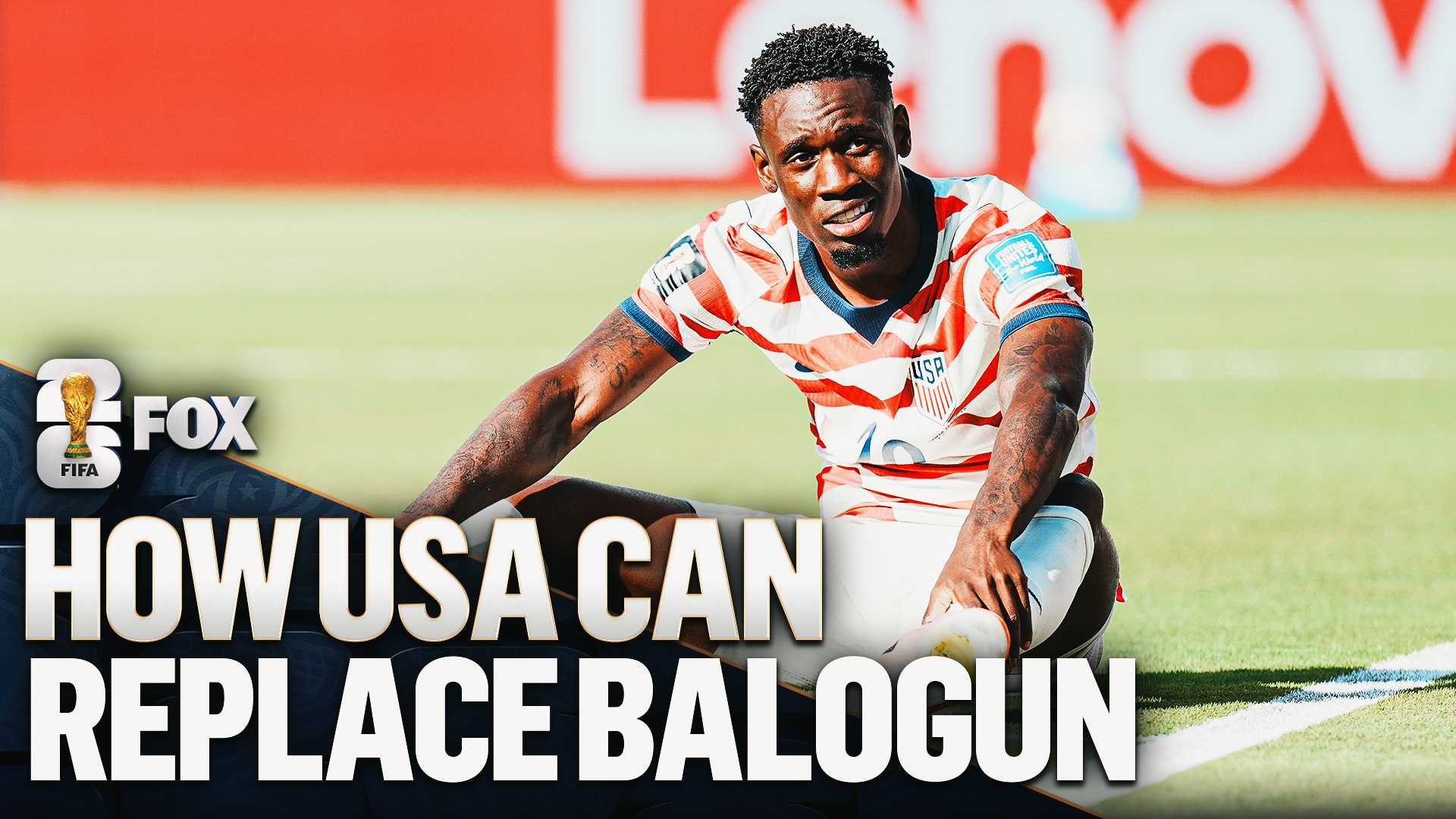
The U.S. men’s team must reshuffle without Folarin Balogun, and this piece lays out four clear attacking plans coach and players can lean on against Belgium, weighing strengths, matchups, and the game-state decisions that could swing the result.
Losing Balogun removes a natural forward who holds up play and threatens in the box, so the first option is to slot in a traditional center forward who keeps the team’s structure intact. Josh Sargent offers energy, aerial ability, and a willingness to press; he fits a straightforward plan of direct runs and second balls. That approach keeps a clear focal point for service from wide players and midfield runners, reducing the chance of breakdowns when Belgium controls possession. It’s conservative but reliable when you need someone to finish crosses and occupy center backs.
Option two flips the script and asks for a mobile striker who creates space rather than occupies it. Ricardo Pepi or Jesus Ferreira can drop deeper, link with attacking midfielders, and pull defenders out of position to open lanes for wing play. This helps a team that expects Belgium to have the ball and allows quick transitions that exploit gaps between their center backs and fullbacks. The risk is giving up a consistent target in the box, but the reward is better combination play and overloads on the flanks.
The third choice is a wide-heavy plan that almost removes a nominal striker and asks wingers to act as primary threat creators. Tim Weah, Brenden Aaronson moved higher, or Christian Pulisic roaming inside can overload Belgium’s half-spaces and attack from multiple angles. That forces Belgium to defend laterally and can expose moments when their fullbacks get isolated. It demands disciplined midfield tracking and sharp finishing from arriving midfielders, because there won’t be a single big man to clean up chances.
Finally, the coach could adopt a flexible triangle up top that rotates and confuses defenders, mixing smaller forwards with a target presence when needed. Pairings like Pepi with Sargent or Ferreira alongside a wide-running attacker generate positional fluidity and create mismatches at different moments. This hybrid model allows the U.S. to switch between direct and possession-based play during the match, responding to Belgium’s adjustments without wholesale personnel changes. It’s tactical and requires high football IQ and coordination across the front four.
All four options demand adjustments in midfield roles and defensive support. If the plan is direct, midfielders must prioritize box arrival and second-ball retrieval. When using mobile forwards or wide overloads, the holding midfielder becomes crucial in shielding and recycling possession quickly. Belgium’s quality in transition means the U.S. will need to balance offensive ambition with disciplined recovery runs to prevent being exposed on counters.
Set pieces become a different kind of weapon with Balogun absent, so maximizing corners and free kicks is critical regardless of formation. A target like Sargent can still be effective, but delivering variety—near-post flicks, far-post runners, and second-phase rehearsed plays—will matter more than relying on one target. Belgium tends to be compact but can be vulnerable to well-worked dead-ball routines that unsettle organized defenses. Practicing those sequences ahead of kickoff is an easy way to reclaim a chunk of Balogun’s aerial threat.
Substitution patterns will likely decide how aggressive the U.S. can be as the match evolves. If trailing, the coach can bring on a quick striker or an extra attacking midfielder to push numbers forward and increase tempo. If protecting a result, you might see the team swap in a defensive forward who presses to break opposing play and helps the back line breathe. Smart, time-sensitive changes could be more valuable than the starting XI here.
Individual matchups matter, too; picking players who exploit Belgium’s defender tendencies can create advantages without needing to change the whole system. A forward who stretches the backline vertically forces center backs into uncomfortable space, while one who draws fouls near the box can win set-piece chances. Coaches should tailor the choice not only around their roster but also around which Belgian personnel are on the pitch that day.
Whatever option gets chosen, clarity in roles and decisive in-game coaching will be the real difference-maker. The U.S. has enough attacking options to cover Balogun’s absence if the staff commits to a coherent plan and the players execute it with urgency. Against a team like Belgium, small tactical edges and discipline in transition often outweigh a single player’s absence, provided the chosen approach plays to the squad’s strengths.
