
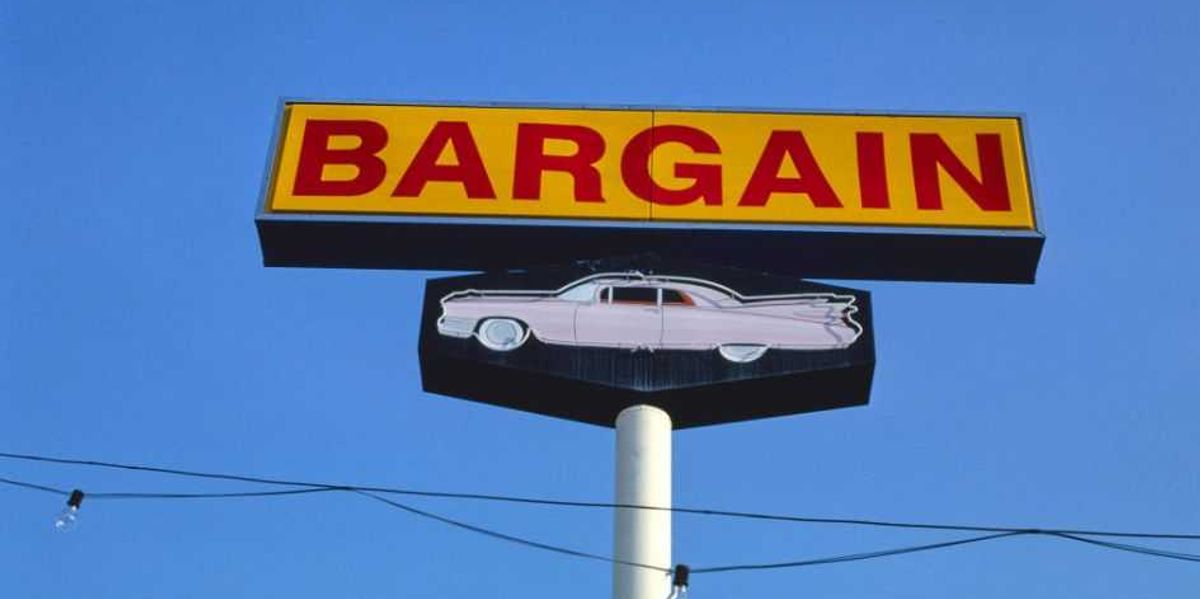
The used-car market has been acting a lot less friendly to shoppers, and the big surprise is how quickly the math has changed. What used to feel like a bargain hunt now looks more like a tense faceoff between buyers, dealers, and a market that keeps squeezing both sides.
Used-car prices have been sticky, inventory has been uneven, and the days of casually scoring a decent ride without blinking at the sticker are fading. Even with shifts in demand, many shoppers are still finding that the kind of car they want costs far more than they expected, especially in the popular price range that once felt comfortably attainable.
Used-car values have stayed stubborn in part because shoppers have been crowding into the same lanes. Affordable models, fuel-efficient rides, and late-model vehicles with lower mileage still draw the most attention, and that keeps pressure on prices even when the broader market cools a bit.
That is where the story gets frustrating. A vehicle that once landed around the $20,000 mark is no longer guaranteed to sit there, and some buyers are discovering that the market has moved on without bothering to send an invitation.
The squeeze is tied to more than just demand. Supply matters, and the shortage of certain vehicles continues to echo through the market, leaving dealers with fewer desirable options and buyers with fewer chances to play one lot against another.
Used-car dealers are also reading the room carefully. When shoppers show up ready to buy but only want a narrow slice of the inventory, dealers know those cars can move fast, which makes price cuts less likely and negotiation less generous than many buyers hope.
Meanwhile, the auto industry has been dealing with a hangover from years of uneven production and disrupted supply chains. That created a ripple effect that did not vanish when headlines changed, and the used-car market is still feeling the aftershock in price, selection, and competition.
Edmunds data and industry watchers like iSeeCars have both helped put hard numbers behind what shoppers already feel on the lot. Karl Brauer and others in the auto space have pointed out that pricing pressure is not just about one bad month or a single hot model, but about a broader market that keeps rewarding the cleanest, newest, and most practical used vehicles.
That is why the same segment keeps getting hammered by demand. Shoppers want reliability without the sticker shock of a new car, and that demand funnels a lot of attention toward the same pool of vehicles, which leaves bargain hunters scrambling for the leftovers.
Still, the market is not frozen. Some segments are softer than others, and patient buyers can sometimes find better deals if they are willing to widen their search, but the days of expecting a simple, easy win are gone for now.
For many households, that changes the entire decision-making process. A used car is no longer just a backup plan or a quick save over a new one, because the price gap has narrowed enough that shoppers are rethinking whether the deal really makes sense at all.
That tension is showing up in every part of the buying experience, from online browsing to dealership visits. The used-car market has become a place where timing matters, selection matters, and the sticker still has the power to ruin a good mood in seconds.
What happened to the $20,000 used car is not a mystery so much as a market shift with sharp edges. The number itself has become a moving target, and buyers walking in with old expectations are running straight into a very different reality.
