
Epoch Times
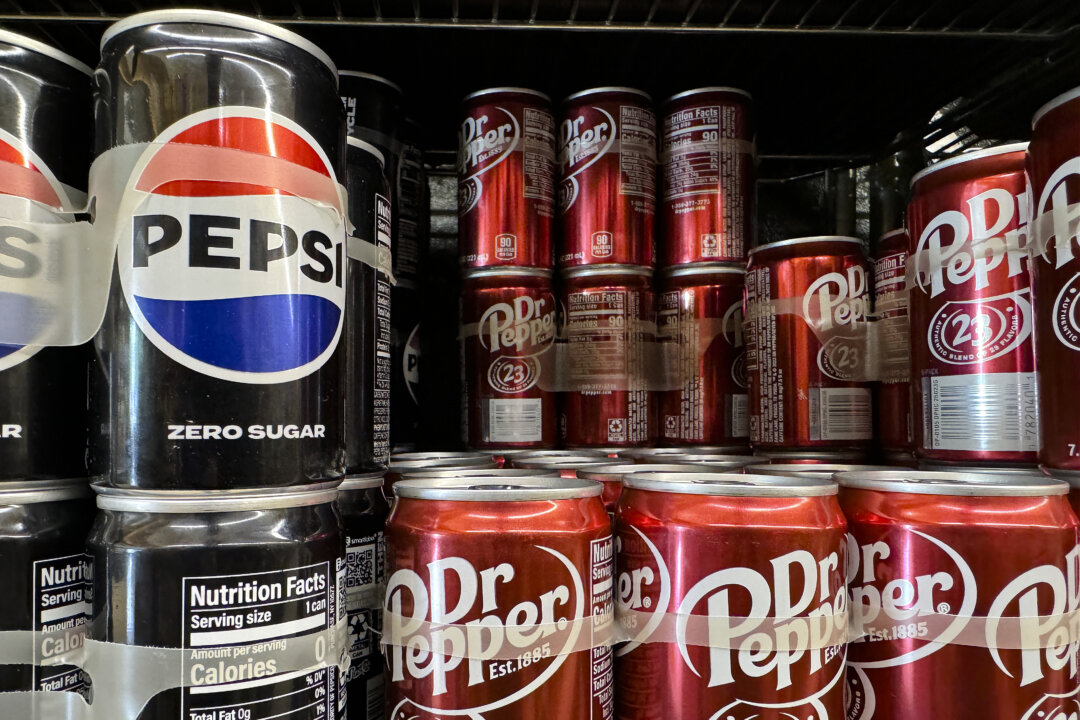
There’s been a significant decision made concerning what people can buy with their SNAP benefits, also known as food stamps, in Nebraska. The U.S. Department of Agriculture (USDA) announced on May 19 that Secretary of Agriculture Brooke Rollins approved a waiver that will stop the purchase of soda and energy drinks using SNAP funds in the state. This marks a first in the history of SNAP, as until now, the only items not allowed were alcohol, tobacco, hot foods, and personal care products.
This new rule won’t kick in immediately. It’s set to start on January 1, 2026, and is part of the Trump administration’s broader initiative called Make America Healthy Again. The USDA emphasized that this move is a direct response to the concerning health trends among Americans, especially the rising cases of prediabetes among kids aged 12 to 19.
The statistics are quite alarming. The USDA noted that 40% of school-aged children and teens suffer from at least one chronic health condition. Moreover, 15% of high school students consume at least one soda daily, contributing to these health issues. More efforts are being made to address these problems, including President Donald Trump’s executive order in February, which created the President’s Commission to Make America Healthy Again.
This commission has been tasked with digging into the “root causes of America’s escalating health crisis,” particularly focusing on chronic diseases in children. Rollins called the Nebraska waiver a “historic step” and encouraged other states to innovate in similar ways. She said, “Under President Trump’s leadership, I have encouraged states to serve as the ‘laboratories of innovation.’”
However, not everyone is on board with this plan. The American Beverage Association, which represents non-alcoholic beverage companies, has been vocal against this change. They argue that this restriction infringes on people’s rights to choose their beverages freely.
The association insists, “Millions of Americans rely on the Supplemental Nutrition Assistance Program (SNAP) to help feed their families. They deserve the same freedom to choose the foods and beverages that best fit their needs.” They also argue that cutting out sodas from SNAP won’t actually lead to better health outcomes or save taxpayers any money.
In fact, the association warns that such restrictions could lead to more government oversight and expenses. They fear it sets a precedent for the government to decide what foods are “good” or “bad.” These concerns are not new, as the topic of sugary drinks and obesity has been debated for years.
Back in February, Rollins expressed her worries about sugary drinks being included in SNAP. She questioned whether taxpayer money should be used to buy unhealthy foods and drinks for children who might need more nutritious options. A 2016 USDA report highlighted that soft drinks were the top item SNAP households spent their benefits on.
The Centers for Disease Control and Prevention (CDC) reported that the obesity rate in the U.S. was 40.3% from 2021 to 2023. Many health experts blame sugary drinks for contributing to obesity and related health issues, like cardiovascular disease and Type 2 diabetes.
The American Beverage Association, however, disagrees with these claims. They argue, “While CDC data shows adult obesity is up 37.4 percent since 2000, full-calorie soda sales are down 22.9 percent and beverage calories per serving are down 42 percent.” They believe that if sugary drinks were responsible for obesity, the rates should have dropped with the decrease in soda consumption.
The association also points out that calories from sugary drinks make up a small part of the average American diet. According to them, sugar-sweetened beverages account for less than 6% of total calories consumed in the U.S. Still, states like Arkansas, Indiana, and Iowa are considering similar measures.
These states have requested waivers from the USDA to ban soda, energy drinks, and candy from SNAP purchases. The American Heart Association has shown support for banning sugary drinks in SNAP, as they have long opposed Big Soda. Nancy Brown, CEO of the association, stated, “As an organization that has opposed Big Soda for decades, we have worked tirelessly to pass public policies that effectively reduce consumption of sugary drinks.
