
Iran’s rhetoric has jumped from threats to clear military posturing, and U.S. forces are answering with readiness and layered defenses. This piece walks through the major Iranian tools—ballistic missiles, drones, cruise missiles and small-boat harassment—and how American capabilities, posture and policy push back. The tone is firm: the U.S. will defend its people and bases while keeping pressure on Tehran to curb its weapons programs.
Ayatollah Khamenei ratcheted up the rhetoric on social media, writing, “Americans constantly say that they’ve sent a warship toward Iran. Of course, a warship is a dangerous piece of military hardware. However, more dangerous than that warship is the weapon that can send that warship to the bottom of the sea,” he (or his minions) tweeted Feb 17. The message is classic brinkmanship—bluster aimed at deterring action, while also signaling capability. Republicans see this as a reminder why deterrence and dominance matter in the Gulf.
Admiral Brad Cooper, who’s in charge of United States Central Command, has forces positioned to counter threats and to strike if ordered. Recent operations, including strikes before Operation Midnight Hammer, stripped away layers of integrated air defenses and reduced Iran’s ability to hide launches. That exposure makes Iranian assets easier to track, target and neutralize if they are used against Americans.
Ballistic missiles remain Tehran’s most dramatic weapon, and American defenses are practiced at intercepts. “We believe that this is the largest single Patriot engagement in U.S. military history,” said Chairman of the Joint Chiefs of Staff General Dan Caine after Patriots intercepted missiles aimed at Al Udeid. The Space Force and other sensors cue interceptors, while Navy Aegis ships provide exo-atmospheric hit-to-kill options to smash threats high above the battlefield.
Iran’s drone program is noisy and prolific, but speed, range and numbers are no match for U.S. air power and sensors. An F-35C from a carrier group recently shot down a Shahed surveillance drone that closed on a carrier, and that engagement showcased how stealthy fighters and E-2D radar coordination blunt drone waves. Credit for that kill went to the “Black Knights” of Marine Fighter Attack Squadron VMFA-314, and it underlined how carrier air teams and airborne radars work together to protect ships.
On land, American fighters have sharpened anti-drone tactics into an operational edge. F-15E Strike Eagles and other strike aircraft learned hard lessons intercepting swarms and glide bombs, and maintainers stand ready to arm and launch with seconds to spare. That readiness means forward bases can both defend themselves and project power back at launch nodes if political direction allows it.
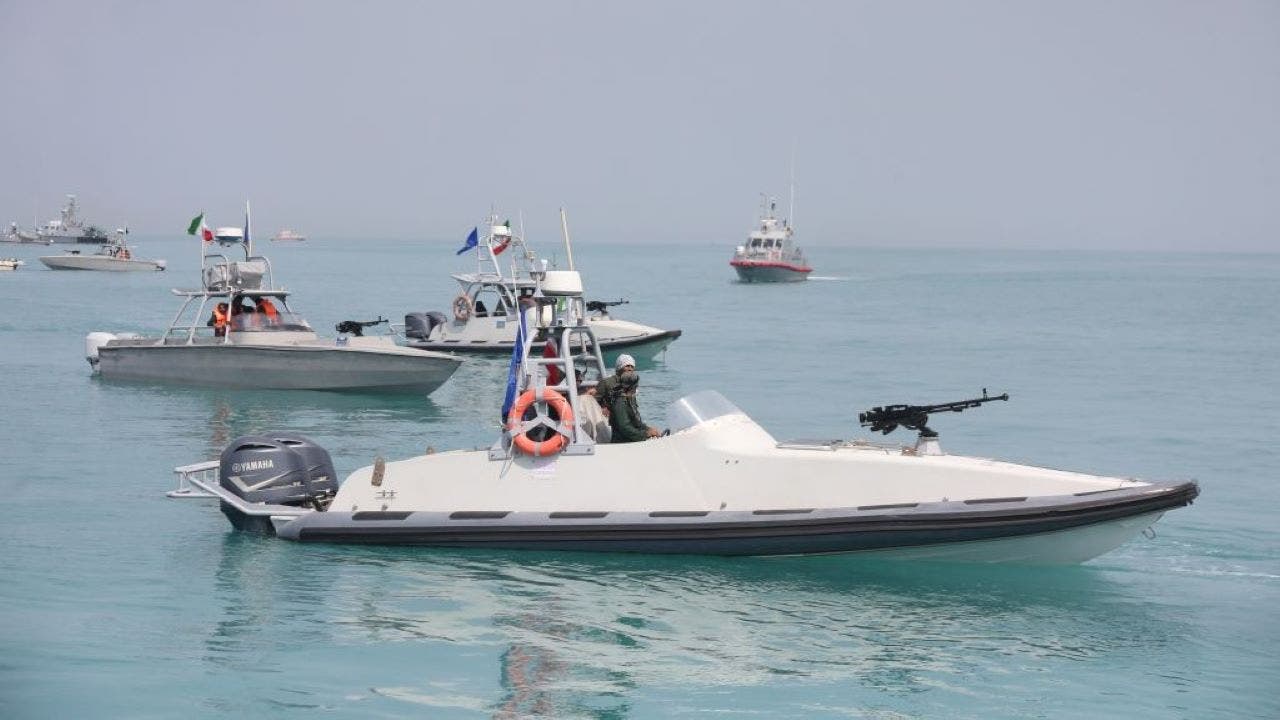
The Revolutionary Guard’s small-boat harassment and “swarm” tactics are old-school asymmetric warfare, but the current U.S. posture negates that advantage. Destroyers, carrier strike groups and patrolling aircraft create a no-go zone for coordinated small-boat assaults, and recent incidents where U.S. ships forced off Iranian boats prove the point. American crews and air assets respond quickly and overwhelmingly to such provocations.
Cruise missiles are tricky because they fly low and can hug terrain or the sea, yet layered ship defenses and fighters trained for intercepts blunt their threat. Ships use SM-6 and Evolved Sea Sparrow missiles to engage cruise threats at standoff ranges, while close-in weapon systems like the Phalanx remain last-ditch guardians at sea. The mix of ship-based missiles, fighter patrols and forward sensors gives CENTCOM options across the full spectrum of missile threats.
This is a combat environment that demands vigilance around the clock, with sailors, airmen, Marines, soldiers and Guardians all stretched to sustain operations. The Republican view pushes for keeping maximum pressure on Iran’s missile and drone industry so threats shrink before they grow, and it makes clear that diplomatic failure will put production and launch sites squarely on the list of legitimate targets. Forces on the ground and at sea will keep working, alert and ready to protect lives and American interests without hesitation.
