
Checklist:
- Charlie Kirk’s killing on a college campus
- Open debate and free expression in higher education
- The role universities have abandoned
- Student attitudes toward speech and violence
- How Christian universities are responding
- What campus leaders should do next
One year after Charlie Kirk was killed during a campus debate, the aftermath still hangs over higher education like a bad storm that never fully passes. The story is not just about one terrible day, but about what that day exposed: campuses that increasingly treat disagreement like danger and speech like a threat. That shift did not happen overnight, and it did not come out of nowhere.
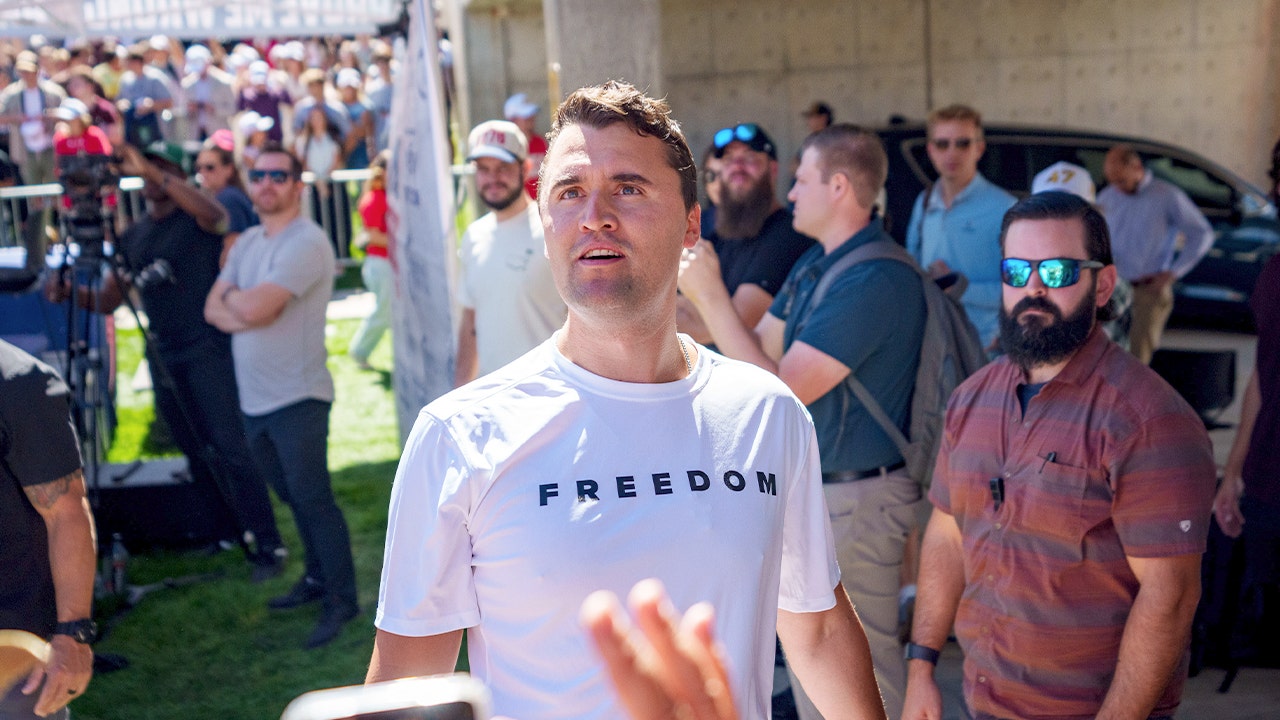
The image that sticks hardest is not only the violence, but the setup around it. A man debating in public had to bring his own tent, his own microphone, and his own security to an American university, as if the basic act of exchanging ideas required armor. That should make every campus leader wince, because the whole point of a university is supposed to be the opposite of that kind of caution.
Years before that tragedy, Charlie Kirk was already pressing the deeper question that many institutions prefer to dodge. He wanted to know whether colleges were still forming leaders or had drifted into sorting students through a machine that rewards compliance and punishes conviction. That question lands harder now, because a lot of schools look far more comfortable managing emotions than sharpening minds.
The old idea of a university was built on friction. Students were supposed to hear arguments that irritated them, test their beliefs in public, and come out stronger or at least more honest about what they thought. Instead, too many schools have spent years building systems that encourage avoidance, from speech restrictions to reporting mechanisms that tell students every uncomfortable idea is a warning sign.
That trade has consequences. When disagreement gets labeled as harm, students start acting as if being challenged is the same thing as being attacked. Employers have noticed, and so have parents, because diplomas do not mean much if a graduate cannot handle a tough conversation without melting down or reaching for a shutdown button.
Student attitudes tell their own story. A large survey of more than 68,000 students at 257 colleges found that 36% thought shouting down a campus speaker is sometimes or always acceptable. Even more unsettling, 15% said using violence to stop a speech can be justified in some cases.
Those numbers do not explain any one crime, and they should not be treated that way. But they do show a campus culture that has absorbed a dangerous lesson: if a message offends you enough, the normal rules can slide. That mindset is exactly what higher education has been feeding for years, often while pretending it was promoting kindness or safety.
There is also a practical point here that university leaders cannot dodge anymore. A school that claims to value learning should be able to host speakers students dislike, defend the event, and let the ideas collide in the open. If a campus cannot do that, it is not protecting education, it is shrinking it.
Some institutions still get this right, and they are worth paying attention to. At a Christian university, for example, public speakers with strong views have been welcomed without the panic reflex that has become so common elsewhere. Students were not wrapped in cotton wool or told to hide from hard questions, and the result was better thinking, not weaker thinking.
That is the standard more colleges should chase. The goal should not be to produce students who worship any one activist or speaker, but to raise young adults who can hold their ground in a hostile room and argue with discipline. That kind of confidence is not born from censorship or bubble-wrapping; it comes from practice.
University presidents who want to honor the moment should do more than post polished statements and move on. They should defend free expression when it gets uncomfortable, stop yanking invitations the minute a protest forms, and make sure students learn how to disagree without trying to erase each other. If a campus cannot handle that, it is failing the very people it claims to serve.
The hard truth is simple: a college campus is supposed to be one of the few places in American life where ideas can be tested without fear. When that space turns brittle, the whole country feels it. The room was always there, and the job was always there too.
