
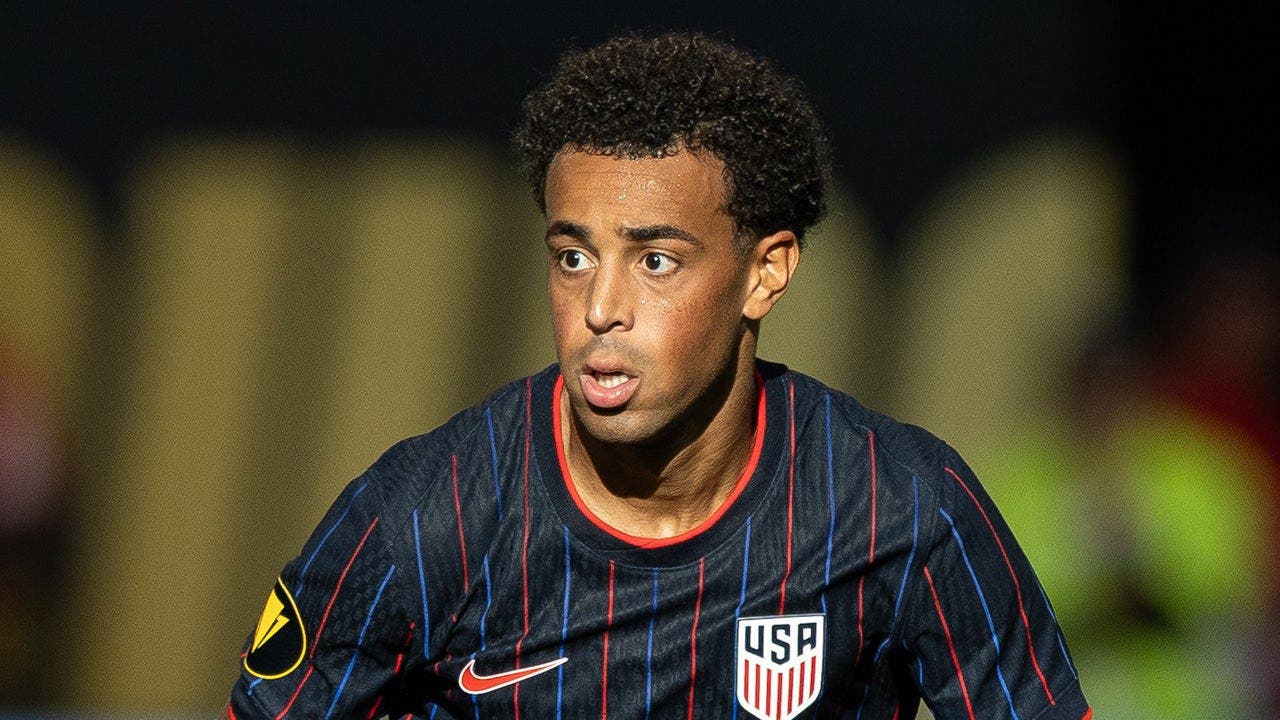
Tyler Adams is fired up about pulling on the U.S. jersey for the 2026 FIFA World Cup, and he believes the home-turf energy will be a game changer. He talks about responsibility, the rising profile of American soccer, and how the fans will help push the team forward. This piece looks at what Adams brings on and off the field, how a packed schedule and high expectations shape preparation, and why the 2026 World Cup feels like a turning point. The focus stays on the player, the team, and the surge of support across the country.
Adams has become a central figure for the U.S. men’s national team thanks to his intensity and tactical intelligence. He sits where midfield meets engine room and that role comes with hard work and visibility. Teammates and coaches lean on him to set the tempo, shield the defense, and drive the transition from defense to attack. That mix of leadership and living-by-example is exactly what the team needs when the spotlight is hottest.
The fact the tournament is on home soil raises the stakes in a way that is hard to overstate. Playing at home means thousands of voices in the stands, familiar stadiums, and travel routines that favor the Americans. Adams has said fans will create an electric atmosphere, and that sort of energy can rattle opponents and lift your own moments. When the crowd gets loud, a single half-step or inspired pass can change the course of a match.
Preparation for a World Cup at home is both logistical and psychological. The team must manage a packed calendar with club commitments and friendlies, while also building chemistry and tactical clarity. Adams and other senior players carry the responsibility of keeping standards high, especially in training and match situations. That steadying influence matters more than flashy plays because consistency wins tournaments.
There is also a narrative about growth. U.S. soccer has been steadily improving at youth levels and on the professional stage. Adams came through that system and now represents a generation tasked with converting promise into results on the biggest stage. That creates a feedback loop: success on the World Cup stage fuels more interest, more investment, and a deeper talent pool for the next cycle. It is a moment for the sport to step up and show it belongs among the sport’s elite.
Pressure will be real and expectations will be loud, and Adams knows how that feels. He has had to balance form, injuries, and tactical shifts throughout his career, which gives him practical experience in managing stress. That background helps him stay focused when headlines escalate and critics start to shout. Experience like that becomes a quiet superpower when the group needs composure late in a tight match.
On the field, Adams’ role is about timing and connection. He reads when to drop back and when to push forward, and his link-up play with attackers and defenders creates stability. Clean distribution from midfield reduces turnovers and boosts attacking chances. In a tournament where margins are thin, those small, repetitive actions accumulate into real advantages.
Fans are not just noise. They shape momentum, intimidate the opposition, and lift the team in key moments. Adams has said fans will create an electric atmosphere on home soil, and that sentiment captures the mutual relationship between players and supporters. When the nation shows up, the team carries that energy into every training session and match day, and that is the kind of environment that can alter outcomes.
The 2026 World Cup will be a test of depth, preparation, and nerve. For Tyler Adams, it is an opportunity to cement a legacy as part of a generation that moved U.S. soccer forward. The combination of home advantage, growing talent, and experienced leaders sets the stage for a tournament that could change perceptions at home and abroad. What happens on the pitch will depend on focus, execution, and how well the team turns the high expectations into calm, effective performances.
