
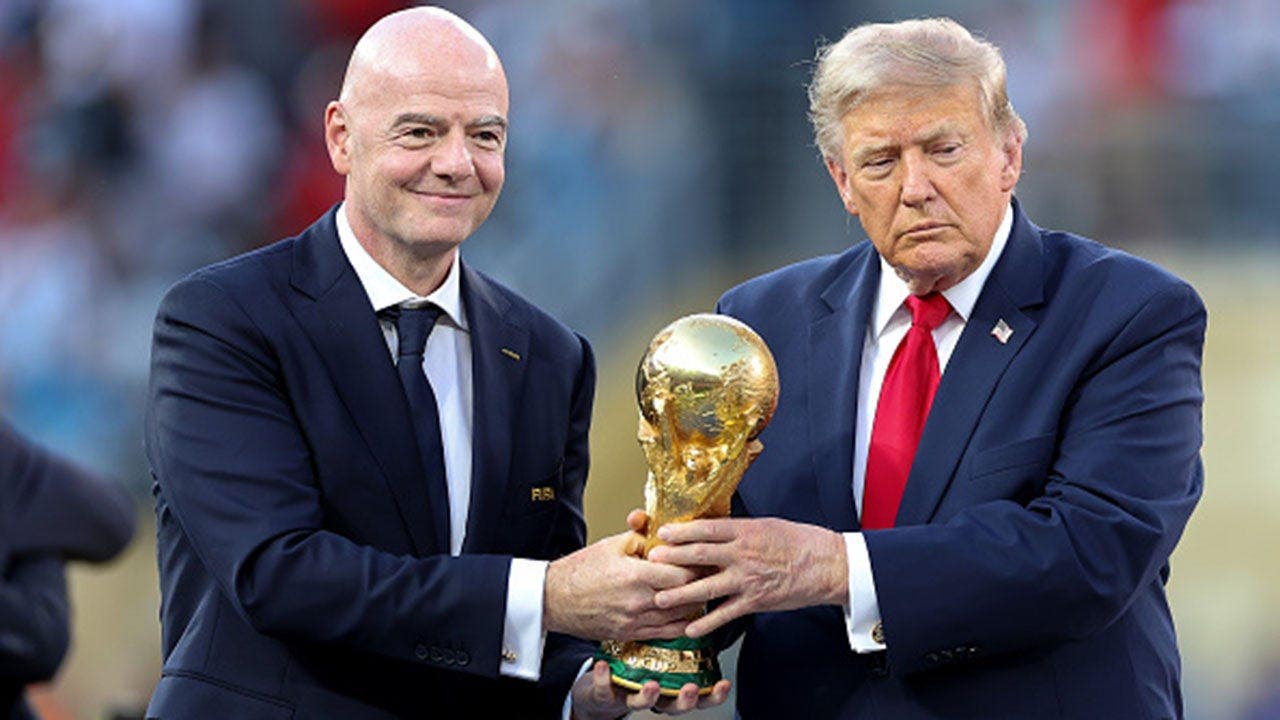
President Trump’s push to bring the FIFA World Cup back to the United States was never just about a tournament. It was about showing confidence, order, and a country ready to welcome the world on a massive stage. The result was a high-energy global event that mixed big crowds, strong security, and the kind of American hospitality people remember.
Trump gave the project a simple mission: “Make it the best tournament ever.” That kind of clear, no-nonsense direction set the tone from the start, and the White House task force treated the event like a national priority. Instead of a half-hearted effort, the planning stretched across agencies, cities, and partners to make sure the World Cup ran smoothly from the opening matches to the final whistle.
The scale of the event was enormous, with more than 6.5 million fans attending across the United States, Mexico, and Canada. In the U.S. alone, 11 host cities helped fill stadiums to near total capacity, while fan festivals brought in millions more visitors looking for food, entertainment, and a place to soak up the atmosphere. People from more than 150 countries came together, and the energy around the tournament spilled far beyond the stadium gates.
What stood out most was the human side of it. Downtown areas were busy, small businesses got a boost, and fans from overseas experienced the kind of friendly, welcoming treatment that Americans are proud to offer. That matters because world events can feel cold and mechanical if they are not handled right, but this one had a real pulse and a sense of excitement that reached people on every level.
Security was a huge part of the effort, and it paid off. Federal teams worked with local law enforcement, backed by hundreds of millions in funding and new counter-drone technology, while real-time information sharing kept everyone connected. The system was built to stay useful long after the final match, which means the investment went beyond one event and strengthened the country’s ability to handle future challenges.
The clean execution mattered just as much as the headline numbers. There were no major security incidents, and the tournament delivered a huge economic impact in host cities that saw surging sales, packed streets, and a steady flow of visitors. That kind of result does not happen by accident, and it shows what can happen when leadership sets a high bar and refuses to settle for average.
There was also a bigger lesson hidden inside all the celebration and pageantry. America now has better coordination, better technology, and better relationships with partners at home and abroad because of the work done for the World Cup. That gives the country a stronger foundation for future events, whether it is another global championship, the Olympics, or something else that demands serious planning and real muscle.
For Trump, the payoff was personal too, since he helped drive the original bid and then got to watch the vision come to life during his presidency. That kind of full-circle moment does not come around often in politics or sports, and it carried a lot of meaning for everyone involved. The sight of packed stadiums, international fans, and American cities performing at a high level made the whole thing feel bigger than one tournament.
Even as the spotlight shifts to what comes next, the standard has been set. America proved it can host the world with confidence, safety, and style, and fans responded to that in a big way. The World Cup left behind a sense that the country can still rise to the occasion when the mission is clear and the leadership is serious.
