
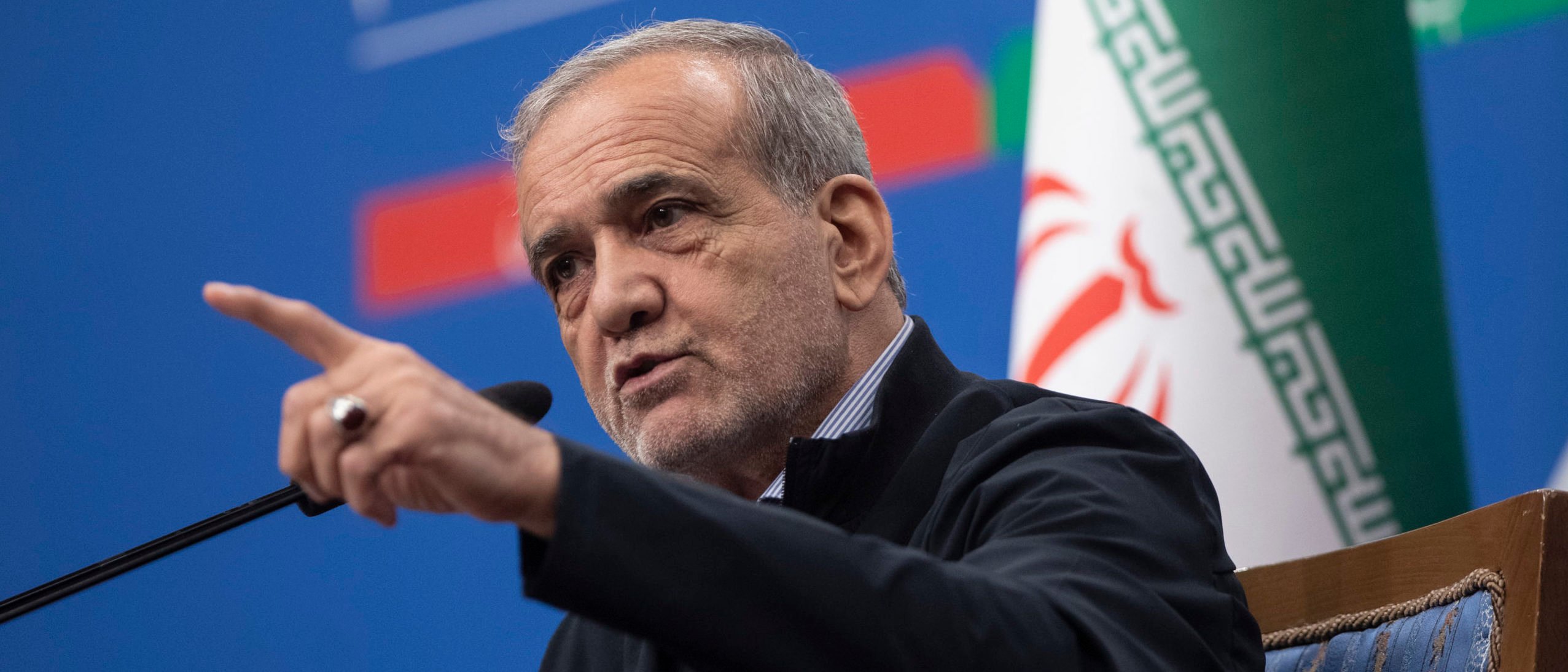
Iran’s president has firmly rejected the prospect of direct negotiations with the United States. This marks the first public response from the Islamic regime to President Donald Trump’s letter to Iran’s Supreme Leader, Ayatollah Ali Khamenei. President Masoud Pezeshkian stated that the Supreme Leader’s response was delivered to a U.S. contact in Oman, emphasizing that direct talks have been dismissed.
However, Pezeshkian noted that Iran remains open to indirect conversations. He highlighted that the country has historically engaged in such discussions. Pezeshkian stressed that the core issue has been the breach of promises, and trust-building is essential.
Weeks prior, Trump sent a letter to Khamenei with hopes of reaching a deal aimed at curbing Iran’s nuclear ambitions. Trump expressed optimism about the potential for a peace agreement. Both Israel and the United States have made it clear that they will not permit Iran to develop a nuclear weapon.
Since the U.S. withdrew from the nuclear deal in 2018, negotiations have stalled. The U.S. State Department reiterated Trump’s firm stance against Iran acquiring nuclear capabilities. The department highlighted Trump’s openness to dialogue but warned of severe consequences if Iran refuses to negotiate.
In response to Iran’s stance, Trump has considered alternative measures. Among these are secondary tariffs and potential military actions. Trump underscored these possibilities during a conversation with NBC News.
Military tensions remain high as U.S. airstrikes target Iranian-backed Houthi rebels in Yemen. The situation underscores the persistent threat of military action against Iran’s nuclear facilities. The United States continues to keep all options on the table.
Trump’s administration has consistently prioritized the prevention of a nuclear-armed Iran. This position aligns with longstanding U.S. foreign policy goals. The State Department’s recent statements reaffirm this commitment.
Iran’s leadership, meanwhile, insists on the importance of indirect talks. They maintain that trust-building is crucial for any progress. This approach reflects a cautious strategy in dealing with international negotiations.
The stakes are high, with both sides aware of the potential consequences. The geopolitical landscape remains tense, with no immediate resolution in sight. Diplomatic channels, however, remain open for indirect communication.
U.S. officials continue to monitor the situation closely. The potential for escalation is ever-present, given the current dynamics. The international community watches with bated breath as these developments unfold.
Iran’s nuclear ambitions have long been a point of contention. The issue remains a significant focus of international diplomacy. As talks proceed indirectly, the world waits for any breakthrough.
The possibility of military intervention looms large. Both sides have signaled readiness to escalate if necessary. This delicate balance of power shapes ongoing diplomatic efforts.
The Trump administration’s approach reflects a broader conservative foreign policy. This strategy emphasizes strength and deterrence. It aligns with the principles of past conservative leaders.
The situation requires careful navigation to avoid conflict. Diplomatic efforts continue alongside military preparedness. The United States remains vigilant in its oversight of Iran’s nuclear activities.
As the situation evolves, the world remains alert to any changes. The potential for either peace or conflict hangs in the balance. Decision-makers on both sides face significant pressure to find a resolution.
In light of these tensions, the role of international allies is crucial. Cooperation with countries like Israel strengthens the U.S. position. This united front is essential in addressing Iran’s nuclear threat.

2 Comments
How about some indirect bombings?
How about blocking Israel’s IMPERIALISTIC military conquest policies?