
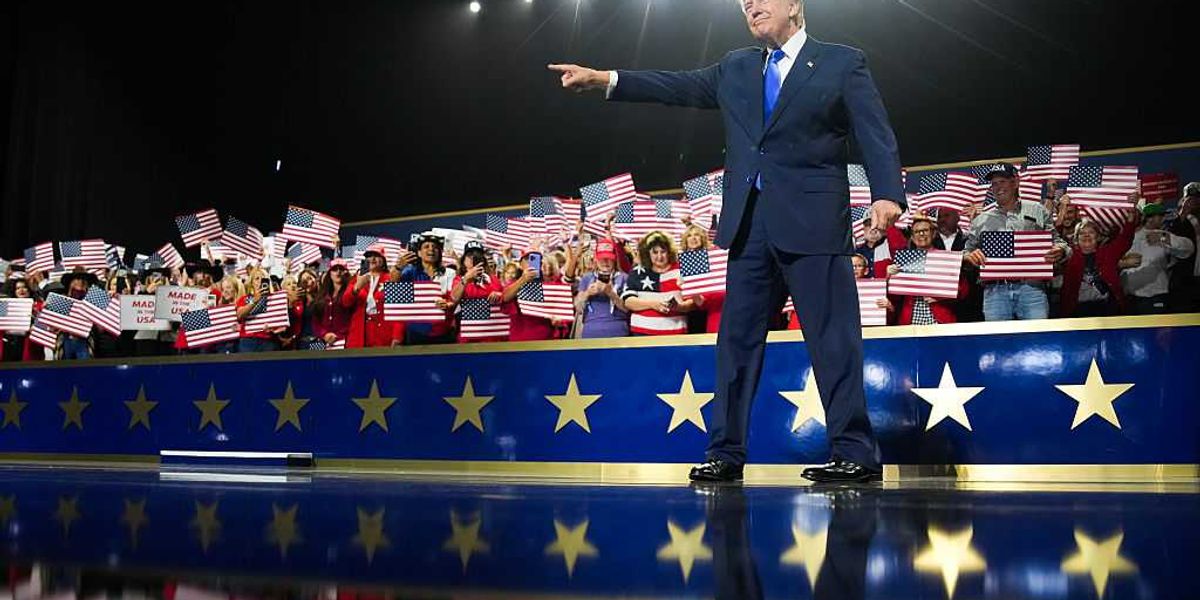
Delegates left the convention floor sounding energized, upbeat, and locked in on Donald Trump’s message. The speech hit the familiar Trump notes, but the crowd treated it like a fresh jolt of momentum, especially as the party looks toward the next round of fights over taxes, trade, border security, and the economy.
The reaction was loud, immediate, and pretty unmistakable. Supporters said the speech felt like the strongest version of Trump, with the kind of blunt, no-nonsense delivery that has always played well with his base and still knows how to fill a room.
For many delegates, the biggest draw was the sense that Trump was back in control of the narrative. He leaned into the themes that have defined his political brand for years, and that familiarity seemed to land hard with the audience, which was eager for confidence rather than careful consultant speak.
One of the clearest threads through the speech was the economy. Trump tied his broader message to jobs, growth, and the idea that American workers should come first, a pitch that continues to resonate with Republicans who want a sharper contrast with Democrats on inflation, spending, and trade.
Tariffs also got plenty of attention, and not just as a policy talking point. To supporters in the hall, they were part of a bigger argument about leverage, strength, and putting pressure on countries that have benefited from lopsided trade deals for too long.
The mood in Dallas reflected more than just applause for a speech. Delegates seemed to be responding to the larger political posture Trump brings to the table, one that treats conflict as a feature, not a bug, and turns every jab from critics into more fuel for the crowd.
That dynamic has become a central part of Trump’s appeal. He doesn’t sound like he is trying to smooth things over, and that directness is exactly what many Republicans say they want when the stakes are high and the media coverage is predictable.
The convention energy also showed how much the party still likes having a candidate who can dominate a room. In a political era packed with cautious messaging and endless focus-group language, Trump’s speech gave delegates something closer to a rally than a standard political address.
For some attendees, the appeal was less about any single line and more about the confidence behind the whole thing. They wanted a message that sounded tough, clear, and willing to take on both Democrats and the press without blinking.
The crowd’s response suggested that Trump’s style still has a powerful grip on the Republican base. Even after years of political warfare, his mix of grievance, swagger, and plainspoken force continues to pull strong reactions from the people who show up ready to cheer him on.
That matters because conventions are about more than applause lines. They are about testing whether a message still connects, whether the base still feels the energy, and whether the party can walk out of the hall sounding like it believes in its own fight.
By that measure, Trump’s speech seemed to do exactly what supporters hoped it would. It gave the room a charge, put the party’s priorities front and center, and reminded everyone there that the Republican message is built on strength, contrast, and a willingness to go straight at the opposition.
