
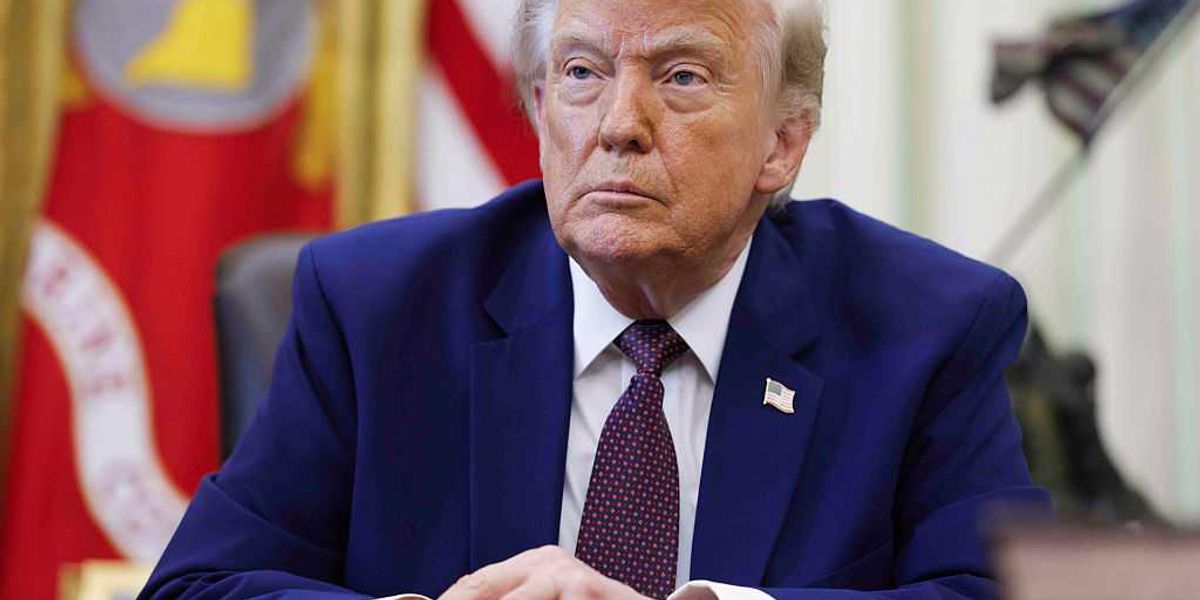
President Trump piled on complaints about slow vote reporting in California’s governor and Los Angeles mayor contests, calling the delays evidence of Democratic foul play while praising Republican frontrunner Steve Hilton and noting an announced federal review. Vote totals are partial and the counting pace has many voters and allies on edge as mail ballots continue to come in. The mayoral field looks set to send incumbent Karen Bass to a runoff while the governor race remains too close to call. The row has escalated into public accusations, social posts, and an announced probe by federal authorities.
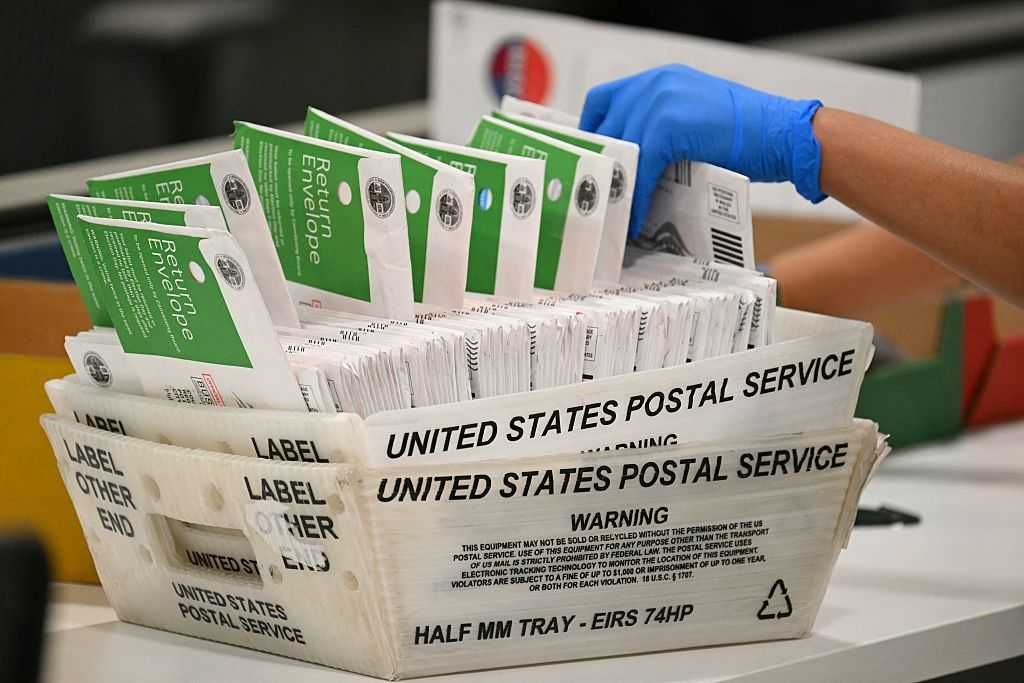
Polls closed on Tuesday evening but California’s tallies still lag, and that slow trickle has only intensified suspicions among Republicans who see patterns they don’t trust. Officials are citing the usual avalanche of mail ballots, but critics argue the pause gives room for manipulation or bureaucratic excuses. That skepticism has fueled sharp rhetoric and demands for transparency from state and local officials.
Steve Hilton, the former TV host turned small-business owner, has a narrow edge in the governor tally with roughly 1,421,466 votes, followed by Xavier Becerra at about 1,318,536 and Tom Steyer near 1,019,332. Those figures leave the race in a delicate spot where a late swing could change who advances to the November runoff. Republican supporters say the early numbers show momentum and want the counting process to be clean and swift so voters know the outcome.
Despite election trackers calling the contest too early to call, Trump publicly congratulated Hilton and urged Californians to back him for governor. “Congratulations to Steve Hilton on coming in first, last night, in the California Vote for Governor,” Trump wrote in a post on Truth Social. The endorsement reflects a broader push to convert primary momentum into a general election advantage in a state that desperately needs new leadership, Republicans argue.
The Los Angeles mayoral picture also carries drama, with incumbent Karen Bass currently holding the only clear advancement spot with about 183,701 votes. Former reality personality Spencer Pratt sits behind her with roughly 157,116, and councilwoman Nithya Raman is trailing at about 119,809. For conservatives watching L.A., the runoff offers a chance to challenge entrenched city leadership on crime, homelessness, and governance.
Local officials have explained much of the slowdown by pointing to the timing of mail ballots, and the county registrar even noted that many voters returned ballots on Election Day itself. That explanation fits the logistics of modern elections, but it hasn’t satisfied those who want quicker results and more hands-on oversight. The debate now pivots between procedural normalcy and political mistrust.
A key flashpoint has been the way some leaders framed the delays, and how national figures amplified those concerns. Trump tweeted strong accusations, calling out “Dumocrats” and warning of a stolen outcome in both the governor and mayor primaries. His language is blunt, and it’s aimed at driving attention to what he and his allies call systemic problems in blue-run jurisdictions.
‘Here we go with the very late and massive numbers of MAIL IN BALLOTS.’
Beyond the rhetoric, the U.S. Attorney’s Office in Los Angeles has been reported as looking into aspects of the counting delay, something Trump highlighted as a sign that federal scrutiny is warranted. The announcement of any review raises the stakes and promises closer examination of chain-of-custody, processing times, and any irregularities that might appear. Supporters see federal involvement as a safeguard; skeptics warn against politicizing routine election administration.
What happens next will matter. The top two finishers in California’s primary will meet again in November, and that runoff could reshape local and state politics depending on turnout and messaging. Republican strategists are focused on converting primary energy into a sustained campaign and using the controversy over counting delays to argue for reforms and greater accountability.
The public fallout from these slow tallies is already playing out on social media and in local coverage, where calls for transparency, rapid reporting, and full audits are growing louder. Whatever the immediate outcome, the episode feeds into a broader national debate about election integrity, mail voting, and how modern ballots get counted in big, diverse states.

https://x.com/LACountyRRCC/status/2062246897155281021
