
- Trump’s stated figure for North Korea’s nuclear weapons
- Kim Jong Un and the possibility of renewed diplomacy
- Questions around North Korea’s secretive nuclear stockpile
- Reduced U.S.-South Korea military drills and the message they send
- Past Trump-Kim meetings and the stalled 2019 negotiations
- How North Korea compares with other nuclear powers
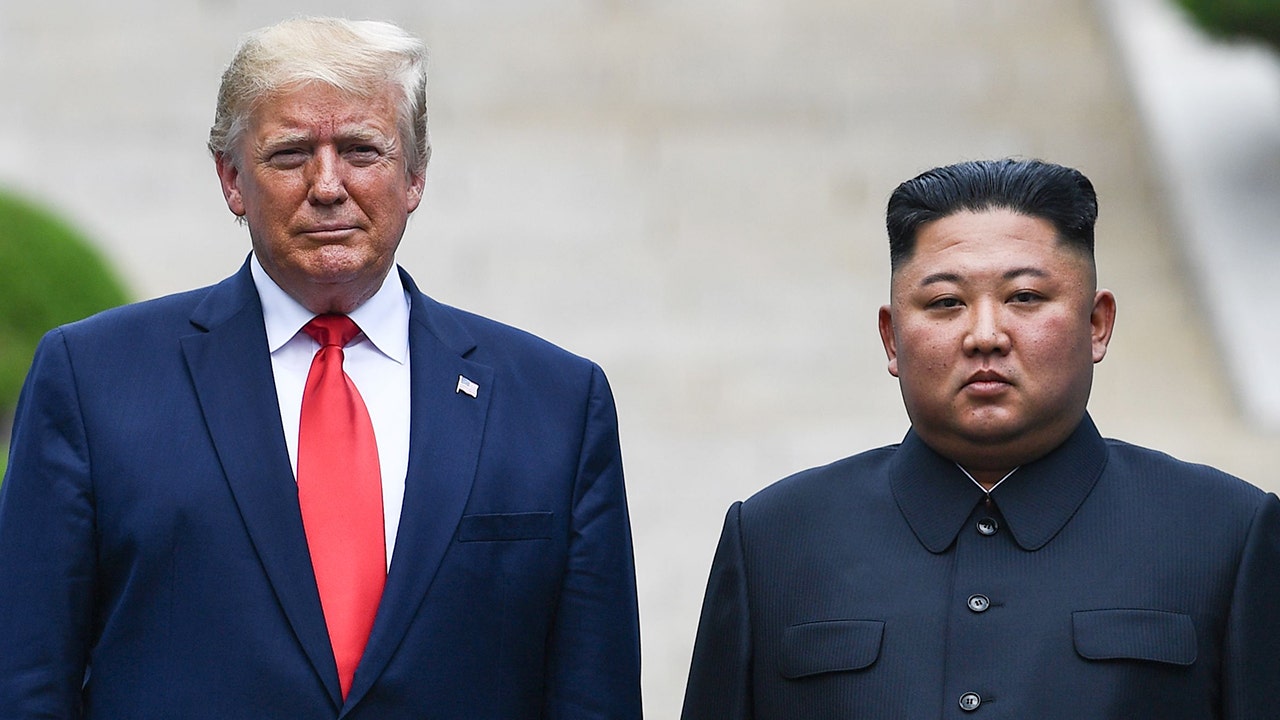
President Donald Trump said North Korea has 57 nuclear weapons, putting a hard number on a program that has long lived in the fog of secrecy. The remark landed as Trump also pointed to a possible meeting with Kim Jong Un later this year, keeping the door open to diplomacy while the region stays tense.
Trump framed his relationship with Kim as an asset rather than a liability, saying that getting along with the North Korean leader is “a good thing.” That line fits a broader push to keep pressure on adversaries without shutting down talks before they even start.
The exact figure drew attention because U.S. officials usually avoid sounding so certain about North Korea’s arsenal. Analysts have often described the stockpile in ranges, not crisp totals, because Pyongyang guards its program closely and rarely gives the outside world anything solid to work with.
Public estimates have generally landed in the 50-to-60 range, which makes Trump’s number feel striking but not wildly out of step with previous assessments. Even so, the difference between an estimate and a declared count matters, especially when the subject is nuclear weapons and the margin for error is razor thin.
Trump also cast Kim as a serious player and blamed past administrations for letting North Korea build out its arsenal. He tied that view to a familiar argument: peace is easier to manage when leaders talk, even if the relationship is uneasy and the trust level is basically zero.
“The fact that I get along with him, that’s a good thing,” Trump said. “You can’t let Iran have a nuclear weapon. And I know Kim Jong Un very well, and he’s going to be fine as long as we have a smart president.”
That message came alongside a move to scale back the annual U.S.-South Korea Ulchi Freedom Shield exercises. The drills have long been a flashpoint, with Washington and Seoul treating them as routine preparation while Pyongyang often treats them as a provocation.
Trump argued the exercises were expensive and sent an “inappropriate and hostile” signal to North Korea. The U.S. and South Korean militaries later said the current round would be shortened and end Friday, a change that fits Trump’s broader effort to dial down the temperature without abandoning leverage.
North Korea, for its part, has shown no sign of slowing its weapons drive. Kim’s sister, Kim Yo Jong, dismissed the reduced drills as not enough, saying Washington’s posture still looked hostile.
Trump and Kim met three times during Trump’s first term, a stretch that produced dramatic headlines but no final deal. Their 2019 negotiations collapsed without an agreement to limit North Korea’s nuclear program, leaving the core issue unresolved and the region stuck with the same old worry.
The scale of North Korea’s arsenal is still small compared with the big nuclear powers, but that does not make it harmless. Russia, the United States, and China sit far above Pyongyang in total warheads, yet even a much smaller stockpile can reshape calculations on the Korean Peninsula and beyond.
Trump said he expected to meet Kim later this year, though no date or location was offered. A planned trip to Asia in November has fueled the talk, and the possibility alone is enough to keep diplomats, military planners, and regional allies watching every word that comes out of both capitals.

3 Comments
Can we deter Use??
Dammitt Trump!!!! You might as well trust everything about IRAN!!!!! Didn’t think that you were THAT stupid!!!! Unless you have something up your sleeve????
Good comments because it sure doesn’t meet the eyes in any good way! This is so bizarre and nuts because Kim and his predecessors are all nuts and the only plausible explanation for this situation is that Trump may have something to accomplish for America playing this hand he’s got at the moment!