
President Donald Trump is being briefed on a broad, aggressive push against cartel networks, but the White House says what often sticks with him is the human damage left behind. Federal officials say his focus can swing from drug seizures and criminal empires to one American victim caught in the middle, and that personal angle keeps the pressure on agencies to do more.
That mindset sits at the center of a nationwide crackdown built to hit cartels, gangs, and the financial machinery that keeps them alive. Instead of treating arrests like the finish line, the administration is trying to cut through the whole structure, from smugglers and distributors to money launderers and weapons runners.
A White House official said Trump’s briefings regularly include photos of drugs seized by federal agents, along with updates on major enforcement wins. But the reaction is not simple celebration, because the next question is usually what else can be done to keep narcotics out of American neighborhoods.
The administration has placed that strategy inside the Homeland Security Task Force effort, which pulls more than 20 federal agencies into one coordinated push. According to figures shared by the White House, the task forces logged nearly 12,000 arrests in fiscal year 2026, seized about 161 metric tons of drugs, recovered $482 million in criminal assets and took nearly 13,000 weapons off the street.
Officials say the point is to stop the old pattern of agencies working in silos, sometimes chasing the same targets without enough coordination. The new structure brings together Justice, Homeland Security, military support and intelligence partners to settle turf fights and keep investigations moving.
The White House official said there were once more than 1,800 cartel-related narcotics task forces spread across the country, often with overlapping targets and uneven cooperation. In the past, agencies like the FBI, DEA and Homeland Security Investigations could end up competing to bring indictments first, which sometimes slowed cases instead of sharpening them.
Now, the message is different: work together, move faster, and target the whole criminal network. The official summed it up bluntly, saying, “Now we’re all indicting together,” a shift meant to stop bad actors from slipping through gaps between agencies.
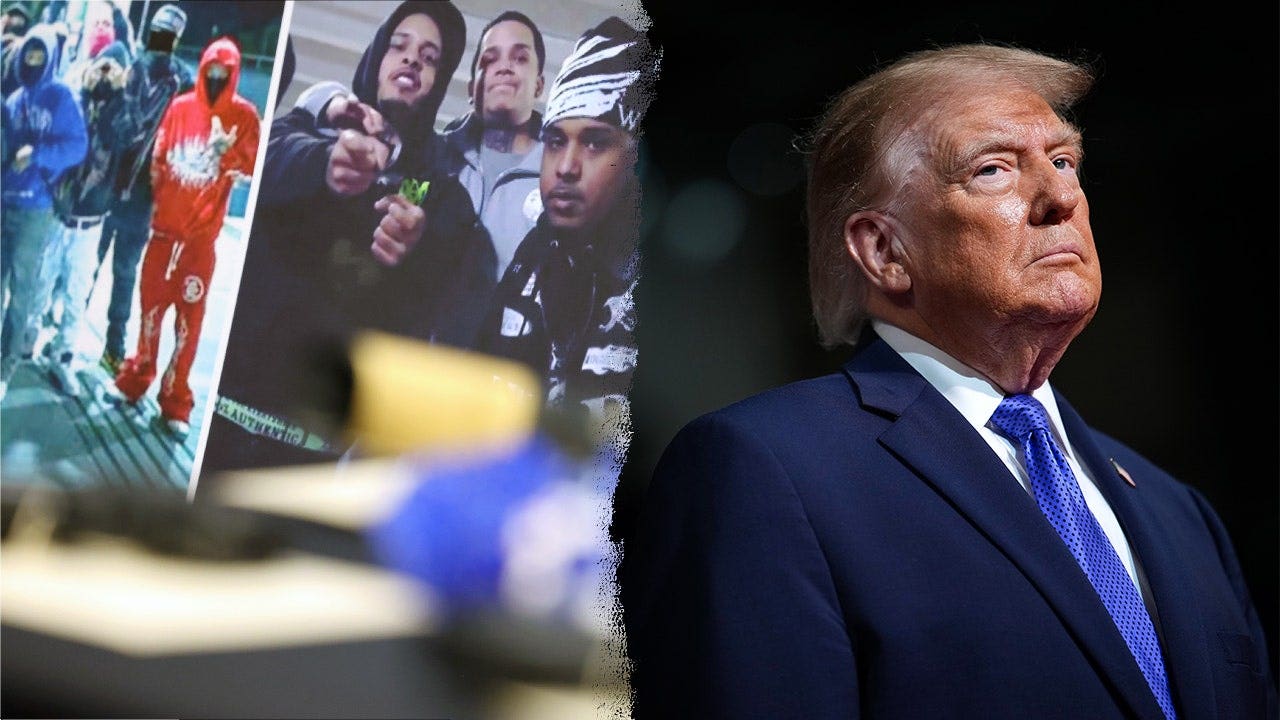
That approach is showing up in major cases, including a sweeping federal case against the Trinitarios gang in Massachusetts. In June, prosecutors charged 26 alleged leaders, members and associates in connection with five murders and 19 attempted murders, with investigators tying the broader effort to years of alleged violence, drug trafficking, kidnappings and witness intimidation.
The case also shows how wide these investigations have become. Federal and local authorities worked alongside HSI, the FBI, DEA and ATF, and investigators said the group had used minors from local schools to move weapons and serve as lookouts, which gives a dark edge to an already ugly case.
The crackdown is not limited to one region or one gang. In Louisiana, prosecutors announced five cases involving more than a dozen defendants and hundreds of kilograms of narcotics, including meth hidden in modified ice cream freezers and cocaine stashed in an 18-wheeler cab.
Another major focus has been Tren de Aragua, the Venezuelan gang that became a flashpoint during the 2024 campaign. Trump kept Aurora, Colorado, in the national conversation after reports of violence and intimidation tied to the group, and the White House says the coordinated enforcement campaign has made the gang far less comfortable operating openly.
The official said the group is still a threat, but nowhere near as emboldened as before. “I’m not saying they’re completely gone here, but they are so on their heels because we have this concerted effort taken,” the official said, adding, “You don’t see them bragging in the social media anymore.”
That same philosophy is being applied to the most entrenched networks, including the Sinaloa Cartel. The administration’s goal is not just to rack up arrests or make headlines with huge seizures, but to weaken the machinery that lets these groups threaten communities, move drugs, and replace leaders whenever one is taken off the board.
