
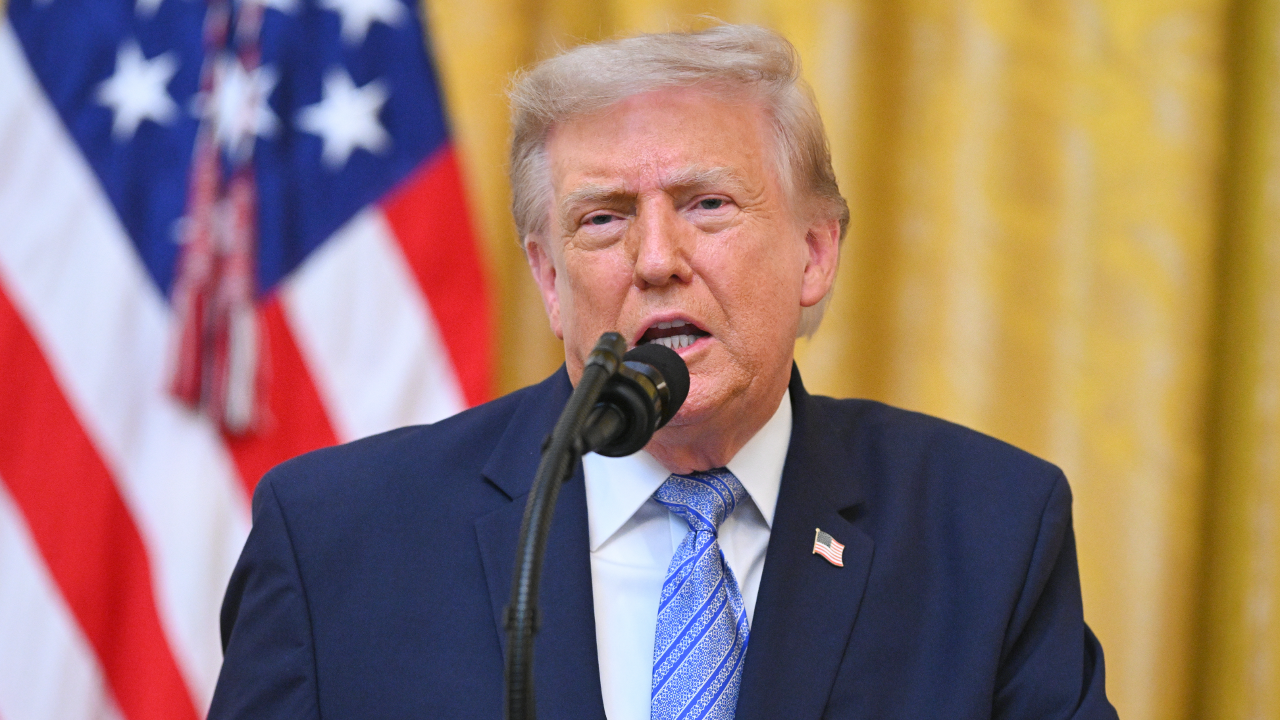
President Donald Trump’s recent election integrity speech landed with a blunt message: secure elections are not supposed to be a luxury item or a partisan trophy. He argued that Americans deserve a system they can trust, and the details he laid out pointed to cyber threats, hidden information, weak registration safeguards, and the need for tougher rules at the ballot box. The core fight here is simple, even if the details are messy: if the process is vulnerable, confidence in the result takes a hit.
Trump’s first major point was about the scale of the alleged threat. He said newly declassified intelligence suggested China had acquired, or tried to acquire, voter-registration data tied to as many as 220 million Americans, calling it the biggest breach of election data ever seen.
That claim matters because it frames election security as a national security issue, not just an administrative one. If foreign actors can reach into election databases, then the problem goes far beyond campaign chatter and into the basic machinery of American self-government.
Another major takeaway was his accusation that parts of the intelligence world helped bury the story. According to Trump, some officials did not rush to warn the affected states, and instead worked to soften or suppress what was known about the cyber intrusions.
If that is accurate, it would mean the public and elected leaders were left in the dark about a serious breach. Trump’s demand was straightforward: give states the information they need, fast, and stop treating election security like a secret kept inside the Beltway.
He also said Chinese efforts were not limited to data theft. Trump described intelligence showing attempts to undermine confidence in him through influence operations aimed at big companies and journalists, which would fit a broader pattern of foreign meddling through soft power and information warfare.
That part of the speech widened the lens. It suggested the threat is not just stolen files or hacked systems, but also narratives designed to shape how Americans think about their leaders and their institutions.
Trump then turned to domestic vulnerabilities, especially voter-registration systems. He cited DHS comparisons that flagged hundreds of thousands of records as possible noncitizen matches, warning that state files are still too easy to exploit when records are incomplete or states refuse to cooperate fully.
He made the case that even a limited review should set off alarm bells. If the databases that feed elections are shaky, then the whole process starts on unstable ground, and that is the kind of problem voters notice even when politicians try to brush it off.
He also pointed to the broader vulnerability of election infrastructure itself. Centralized systems such as voter rolls, poll books, and official election websites, he said, are attractive targets because one weak point can ripple across the whole process.
That is why he called for full cybersecurity audits at the state level. In plain English, if the systems are exposed, somebody needs to check the locks, the cameras, and the back doors before the next election cycle gets underway.
Trump’s sixth point involved the origin of the information, which he said was found in burn bags that should have been destroyed but were not. He described that as a serious failure and said investigators should find out who hid the material, why it was buried, and whether criminal charges are warranted.
Finally, he pushed the SAVE America Act as the legislative fix he wants Republicans to rally behind. The bill would require voter ID and proof of citizenship for federal elections, and he argued that is the kind of common-sense guardrail a country with serious ballot integrity concerns ought to have.
What stood out most was that Trump was not claiming votes had already been switched or election results overturned. Instead, he was hammering on exposure, vulnerability, and the danger of pretending the system is fine when a pile of evidence suggests otherwise.
That is where the debate now sits, and it is not a small one. If election files can be breached, if information can be hidden, and if states are still running on uneven rules, then the pressure for reform is not going away anytime soon.

2 Comments
Needed now that we now know China was involved in
2020 Wuhan plague
election rigging
Riots
alone
The way I heard his speech was China HAD gotten zillions of voters information, NOT “TRIED” to get.
WHICH IS IT ???