
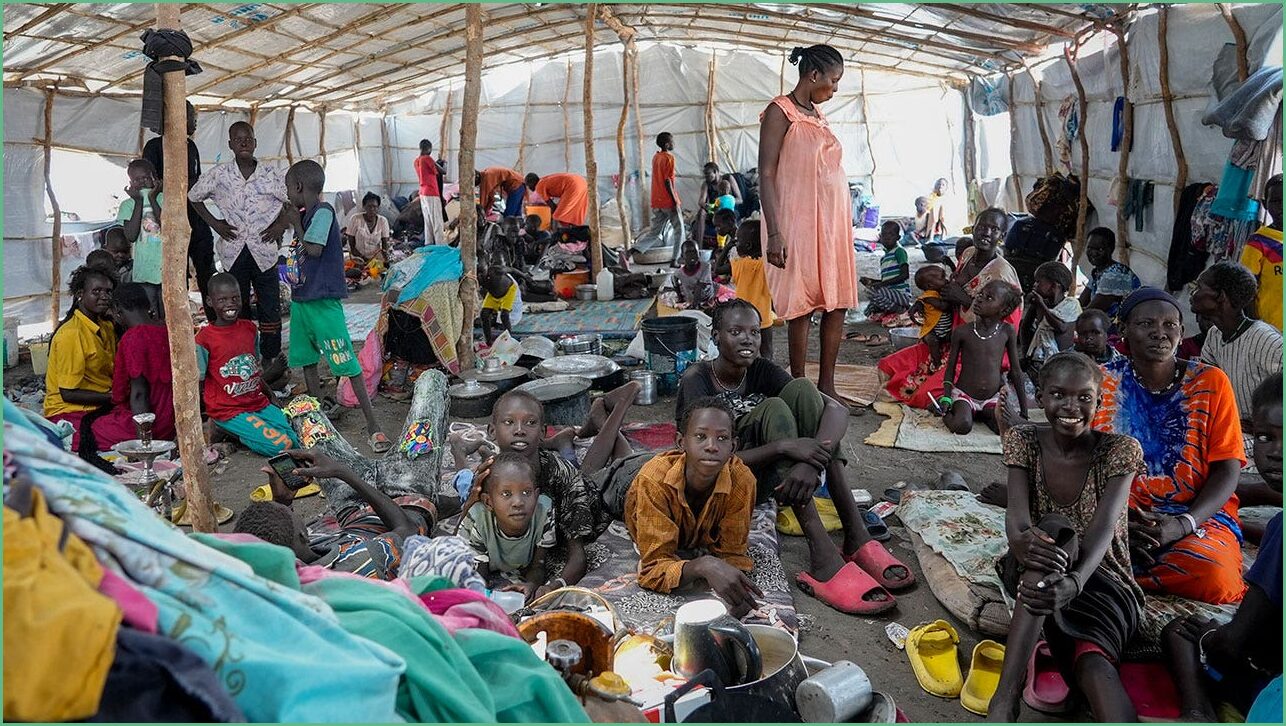
President Trump was asked by Saudi Crown Prince Mohammed bin Salman to step into the brutal conflict in Sudan, where mass death, displacement, and famine have created the planet’s worst humanitarian emergency. This piece argues why a bold U.S. response fits both our values and strategic interests, linking relief for civilians to broader efforts to keep Saudi Arabia allied with the United States and counter China’s growing influence. The stakes are lives, economic leverage, and who leads the Muslim world’s future diplomatic alignment.
The scale of the tragedy in Sudan is hard to overstate: hundreds of thousands dead, millions uprooted, and basic institutions collapsing. A conflict that started as a power struggle has pulled in ethnic violence, extremists, and regional actors, turning a political fight into a catastrophe for ordinary people. We can’t pretend this is only a distant foreign issue; inaction sends a message about American priorities and capacity for leadership.
When Mohammed bin Salman personally asked President Trump to intervene, it was more than a handoff of a crisis. It was a test of American influence and of the transactional relationships that often secure major investments and alliances. Saudi willingness to make huge economic promises to the United States is tied to a belief that we are a reliable partner who can move big problems off the table.
TRUMP, SAUDI CROWN PRINCE MOHAMMED BIN SALMAN TO MEET AT WHITE HOUSE AMID DIPLOMATIC SHIFTS IN REGION
There’s clear leverage here. The crown prince’s pledge to invest massive sums in the U.S. isn’t charity, it’s strategic capital. Leaders trade credibility and results, not just contracts, and the ability to show progress on a humanitarian front can cement trust in ways money alone cannot. If America can help stabilize Sudan or at least mitigate the worst of the suffering, it strengthens ties and preserves leverage for broader cooperation.
This is also a moment of geopolitical rivalry. China has been moving quickly to court Gulf capitals, and Saudi Arabia’s sway across the Muslim world makes it a prize in Beijing’s plan to reorder economic relationships. If Riyadh drifts into closer economic and strategic partnership with China, the ripple effects would touch currency dominance, trade flows, and regional security arrangements.
American leadership matters in ways beyond headlines. Our standing underpins alliances, trade networks, and the global roles of institutions like the dollar as the world’s reserve currency. Allowing strategic partners to pivot away from the United States undermines those benefits in tangible economic terms, so humanitarian engagement in Sudan has a dual return: human lives helped and geopolitical influence preserved.
President Trump has shown a knack for striking deals and for using diplomacy to produce results where others see only problems. This moment suits his strengths: cut through bureaucracy, use direct pressure, and broker commitments that link aid, reconstruction, and political incentives. A targeted, high-profile U.S. push could rally international partners, press warring factions toward ceasefires, and buy time for humanitarian corridors to operate.
Intervening does not require nation-building on American terms or open-ended military commitments. Smart diplomacy can combine pressure, incentives, and direct humanitarian support to change calculations on the ground. The goal is practical and finite: reduce civilian suffering, prevent famine, and create space for a political settlement that stops more deaths.
Engagement will also send a message to other Gulf states: the United States still offers reliable, decisive leadership when it matters. That credibility helps secure economic deals, counters Beijing’s charm offensive, and reassures partners who weigh their alliances every day. In geopolitics, perception matters; acting decisively now preserves options later.
There are real risks and real costs, but the cost of doing nothing is rising by the day. Lives lost and geopolitical ground ceded to China are both expensive outcomes we can avoid with steady U.S. leadership. President Trump has the standing and the skill set to convene partners, extract commitments, and force a narrowing of the battlefield around humanitarian access.
This isn’t a plea for showy grandstanding. It’s a call for focused action that links compassion with national interest. A successful push in Sudan would demonstrate American resolve, protect millions of vulnerable people, and keep powerful partners aligned with our economic and security goals. The choice is straightforward: lead and gain influence while saving lives, or step back and watch others fill the vacuum.
