
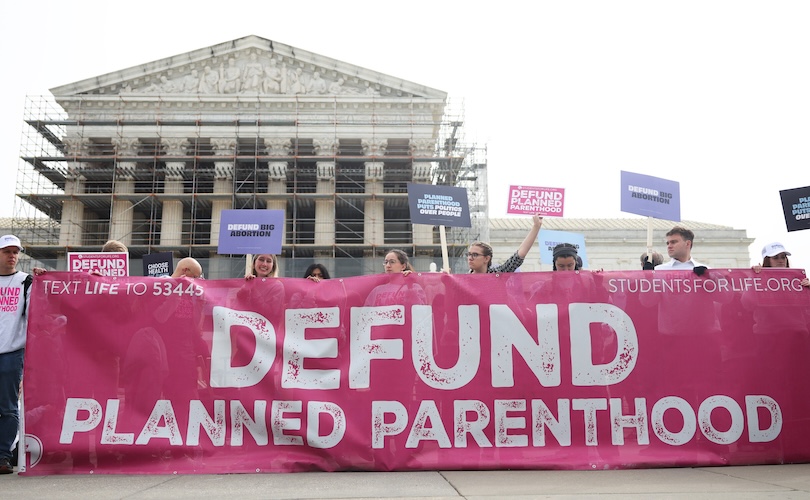
Trump’s Protect Life Rule cut Planned Parenthood’s federal payments by nearly $60 million and banned the organization from referring for abortion “as a method of family planning.” This move reshaped how Title X funds could be used and forced family planning programs to rethink partnerships and referrals in a way that aligns with pro-life priorities.
The Protect Life Rule aimed to ensure that federal family planning dollars did not support abortion counseling or referrals. Supporters argued that taxpayer money should not be used to facilitate ending a human life, and the rule enforced a clearer wall between federally funded services and abortion providers. That principle appealed to conservatives who want federal spending to reflect pro-life values and to protect conscience rights of clinics and providers.
Practically, the rule required physical and financial separation between clinics that receive Title X funds and any part of an organization that performs or refers for abortion. That separation meant many clinics had to choose between keeping federal grants or continuing to offer abortion-related services in the same space. Planned Parenthood, which provides both family planning and abortion services, faced a direct financial consequence when it kept both under one roof.
The reported impact was significant. Nearly $60 million in annual funding that had flowed to Planned Parenthood was removed once the agency implemented the rule. That shift did not shut down family planning, but it did force a redistribution of federal dollars to community health centers and other providers that do not perform abortions. For Republicans, that was a win for ensuring funds went to clinics focused solely on nonabortive care.
Critics framed the change as a political attack on access, but supporters pushed back, saying access to care remained and that taxpayers should not underwrite abortion referrals. The rule explicitly barred referrals for abortion “as a method of family planning,” which meant counseling and directions toward abortion services could not be part of Title X-funded activities. That line kept federal support tied to avoiding any promotion of abortion.
Legal fights followed, and the Protect Life Rule became a flashpoint in larger debates over federal authority and administrative rulemaking. Courts weighed in on procedural and constitutional challenges, and different administrations took opposing stances. For Republicans, defending the rule was about honoring a clear policy choice made within the bounds of executive authority to set program rules consistent with law and conscience protections.
The funding ripple effects were more complex than a simple cut to one organization. Community health centers and local providers often picked up the patients who no longer used Planned Parenthood for federally supported services. That showed the resilience of the broader health network and supported the argument that Title X funds could be redirected without leaving women without care. Republicans highlighted how funds could better support providers committed solely to nonabortion services.
Political pressure played a role too. Many conservative lawmakers urged the administration to keep the rule in place, arguing it restored integrity to the Title X program. They emphasized protecting taxpayers and defending pro-life principles in federal policy. That pressure reflected a longstanding GOP commitment to limiting taxpayer involvement in abortion-related activities.
The debate also touched on medical ethics and conscience protections for healthcare workers. Supporters of the Protect Life Rule argued it strengthened protections for providers who object to abortion on moral or religious grounds. By separating federal funds from abortion referrals, the policy reduced conflicts for practitioners who wanted to steer clear of involvement in abortion-related counseling.
Whether one agrees or not, the Protect Life Rule shifted the landscape for Title X funding and forced a national conversation about how federal dollars intersect with deeply held values. For Republicans, it was a deliberate policy choice to stop federal money from facilitating abortion, to bolster alternatives, and to reflect a pro-life stance in how the government spends taxpayer dollars. That core idea is what kept the rule a high-profile and controversial part of the policy debate.
