
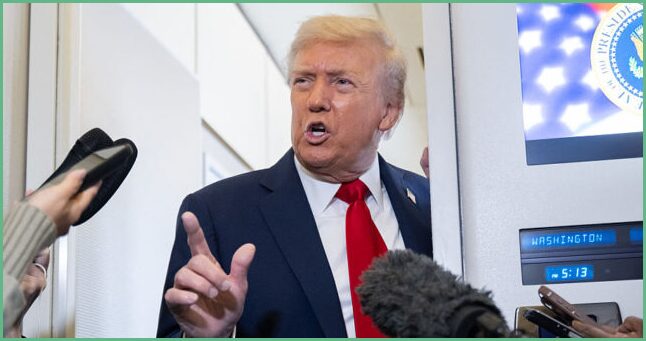
Trump Considers Call to Putin Over Tomahawk Missiles
President Trump is weighing a direct phone call to Vladimir Putin about a possible transfer of Tomahawk cruise missiles, a move meant to cool tensions before any sale is finalized. The idea, from a Republican perspective, is to pair a firm defense posture with a final chance for Moscow to step back and avoid miscalculation.
Tomahawk missiles are long-range, precision cruise missiles launched from ships and submarines and used to strike high-value targets. Their range and accuracy shift operational options and regional deterrence calculations when they appear in a new theater. Any proposed transfer draws quick attention from rival capitals for that reason.
Selling or transferring Tomahawks can change the balance by extending reach and creating strike options close to another nation’s borders. From Moscow’s viewpoint that can look like a threat to strategic depth and rapid reaction capability. That perception is why some in Washington prefer to at least pick up the phone first.
A courtesy call is not appeasement. It is a straightforward diplomatic move to explain intent, reduce misreading, and make clear that any sale would come with conditions and oversight. For Republicans who value smart deterrence and avoiding needless fights, it can be the sensible middle ground.
Republicans will frame such outreach as proof of leadership rather than weakness because it shows strength and restraint at once. The president can defend American interests while offering a clear path to lower tensions. That posture matches a conservative view that military power should be backed by strategic clarity.
Critics will argue a phone call hands Russia a veto over American arms sales and undercuts allies. The counterargument is that avoiding miscalculation keeps troops, civilians, and partners safer without surrendering the option to proceed if Moscow refuses to de-escalate.
Weapon transfers go through approvals, notifications, and sometimes congressional oversight, not just an executive whim. That institutional framework gives Congress a role and creates legal guardrails. A presidential phone call would be one piece in a broader decision-making puzzle.
Allies watching this will want clarity on whether the United States stands ready to deter threats and back its partners. A measured call that explains the safeguards behind any sale can reassure friends while signaling resolve to adversaries. The goal is to keep alliances strong while avoiding unnecessary escalation.
How Moscow reacts will be telling, with options ranging from public acceptance to playing tough or relaunching a tit-for-tat posture. Some in the Kremlin might welcome the chance to de-escalate if it preserves strategic interests. Others could use outreach for propaganda or leverage, so Washington must watch responses closely.
On the military side, Tomahawks add deterrent depth and precise strike capability, which commanders value for planning and crisis response. Planners will assess deployment, basing, and rules of engagement before any sale to ensure no gap opens in operational readiness. Those calculations are central to whether the United States proceeds.
Arms sales are one lever in America’s toolbox, alongside sanctions, intelligence sharing, and diplomatic pressure. Using a phone call as a first step keeps leverage intact while showing a preference for predictable policy rather than reactionary moves. Republicans tend to favor keeping all tools available and using them judiciously.
Domestically, the move taps into themes of decisive leadership and safeguarding national security that resonate with conservative voters. It also gives Republicans a talking point: America will back allies but will not stumble into avoidable crises. That political framing matters when debate moves from policy rooms to Capitol Hill.
There are risks, including accusations that the president is telegraphing U.S. intentions or giving Moscow a psychological win. There is also the chance that diplomacy delays support for partners who want faster delivery of defensive tools. Any administration must weigh those tradeoffs against the upside of lowering the chance of direct confrontation.
Whether the call actually happens and how Moscow answers will shape the next steps in policy and posture across Europe and beyond.
