
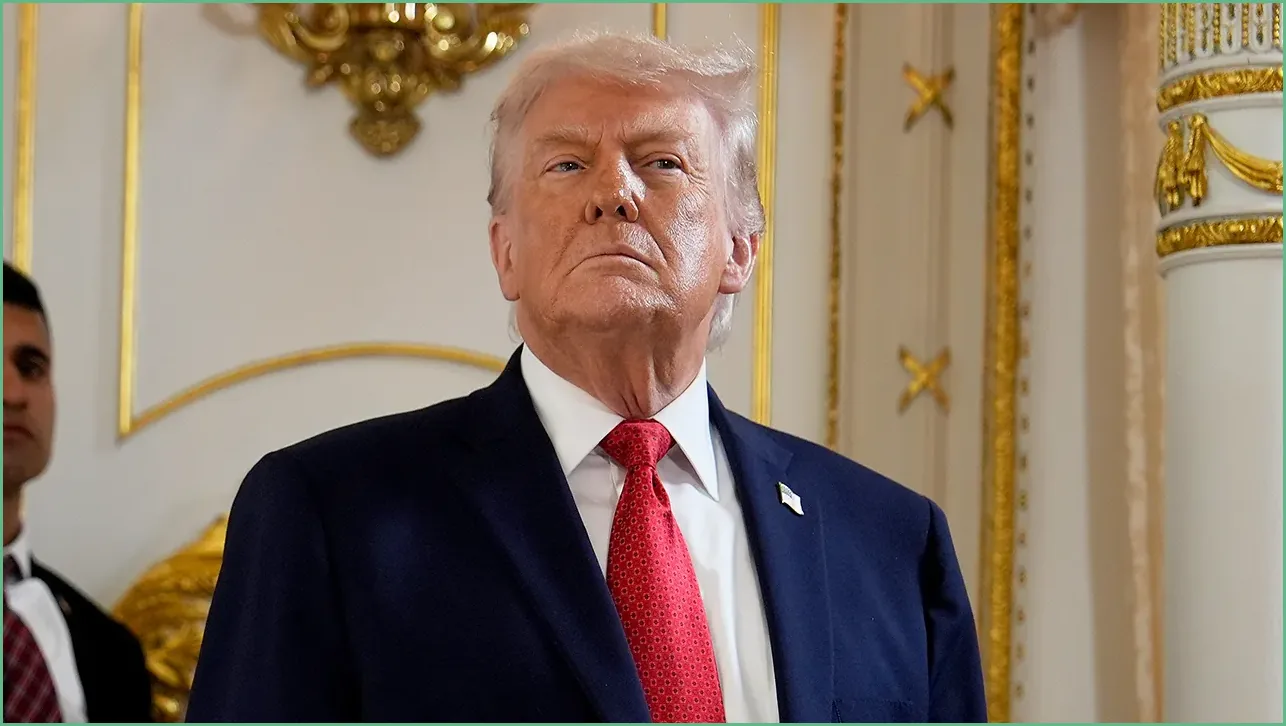
One year after Donald J. Trump began his second term, the administration reads like a high-speed playbook: bold domestic policy, aggressive diplomacy, economic claims that clash with public feeling, targeted cultural rollbacks, and risky political gambits that could reshape the midterm fight. This piece looks at what has been achieved, where perception and reality diverge, and how a president known for action now faces the tradeoff between momentum and stability.
The first year has been packed with energetic governing and a do-not-wait approach to promises. The White House pushed big on domestic energy production and took a more muscular posture abroad, while administrative teams moved quickly to scrap regulations and reshape federal priorities. That speed is a feature for supporters but a source of unease for voters craving steadier leadership.
Inside the beltway accomplishments have been tallied: an uptick in military recruitment, the rollback of DEI programs, pressure on NATO partners to shoulder more defense costs, and moves against what the administration labels woke university policies. Efforts to shrink the federal workforce, curb bureaucratic overreach, and nudge health and safety rules—like removing certain artificial dyes from food—have been central talking points. These wins matter to conservatives who prize deregulation and national strength.
Still, two items stand out as defining the year: the tightening of the southern border and a renewed reliance on tariffs to reset trade relationships. Both measures are squarely in line with a law-and-order, America-first playbook, but they have generated significant controversy and political blowback. Few conservatives would deny the strategic intent, yet the tactics have complicated messaging to swing voters.
Approval numbers tell a mixed story, with polling showing slippage among independents, younger voters, and Hispanic communities that were pivotal in 2024. Real-world concerns about prices and everyday budgets are eroding enthusiasm in places where policy wins feel abstract. That gap between headline achievements and pocketbook perceptions is the campaign’s central headache.
He has argued loudly that the numbers back him: faster growth, a narrower fiscal gap, higher wages, record energy output, and lower inflation than the 9.1% peak seen under the prior administration. Yet public sentiment lags those statistics, which is why the administration’s communications team keeps running into the same wall. The message is clear to Republicans: good data does not automatically translate into votes.
‘PERCEPTION VS. REALITY’: TRUMP’S ECONOMY PICKS UP SPEED — BUT VOTERS AREN’T BUYING IT YET captures the dilemma in one line, and it is a real constraint heading into midterms. With consumer confidence muted, Republicans risk losing their narrow House advantage and could see Senate math tighten, which would invite exactly the impeachment threats the president warns about. Electoral danger changes policy calculus fast.
Policy pivots designed to blunt that threat have been bold and sometimes eyebrow-raising: a suggested cap on credit card interest at 10 percent discussed with Elizabeth Warren, and a blistering campaign against corporate landlords accused of squeezing rents. Critics on the right see the Warren outreach as a political misstep and question how much corporate homebuying really drives housing costs. Those proposals sound populist but often lack the surgical focus that conservative governance prefers.
The administration has also picketed private and public targets, from threats to sue over alleged “debanking” to open conflict with Federal Reserve leadership. A Justice Department probe into the Fed’s renovation spending looked tactical but backfired as officials dug in and confirmations stalled. Those fights feed an image of a White House juggling too many battles at once, which can undercut the steady-hand message voters want.
REBECCA GRANT: TRUMP’S 8 BIGGEST NATIONAL SECURITY WINS OF 2025 and RNC CHAIR BETS ON ‘SECRET WEAPON’ TO DEFY MIDTERM HISTORY, PROTECT GOP MAJORITIES spotlight the dual nature of this presidency: clear strategic achievements coupled with a relentless campaign posture. Proposals like “The Great Healthcare Plan,” meant to redirect payments to households, try to address affordability but arrive amid messy subsidy debates in Congress. The choice now is whether to translate a high-energy year into disciplined, calming leadership that keeps the coalition intact and the agenda moving forward.
