
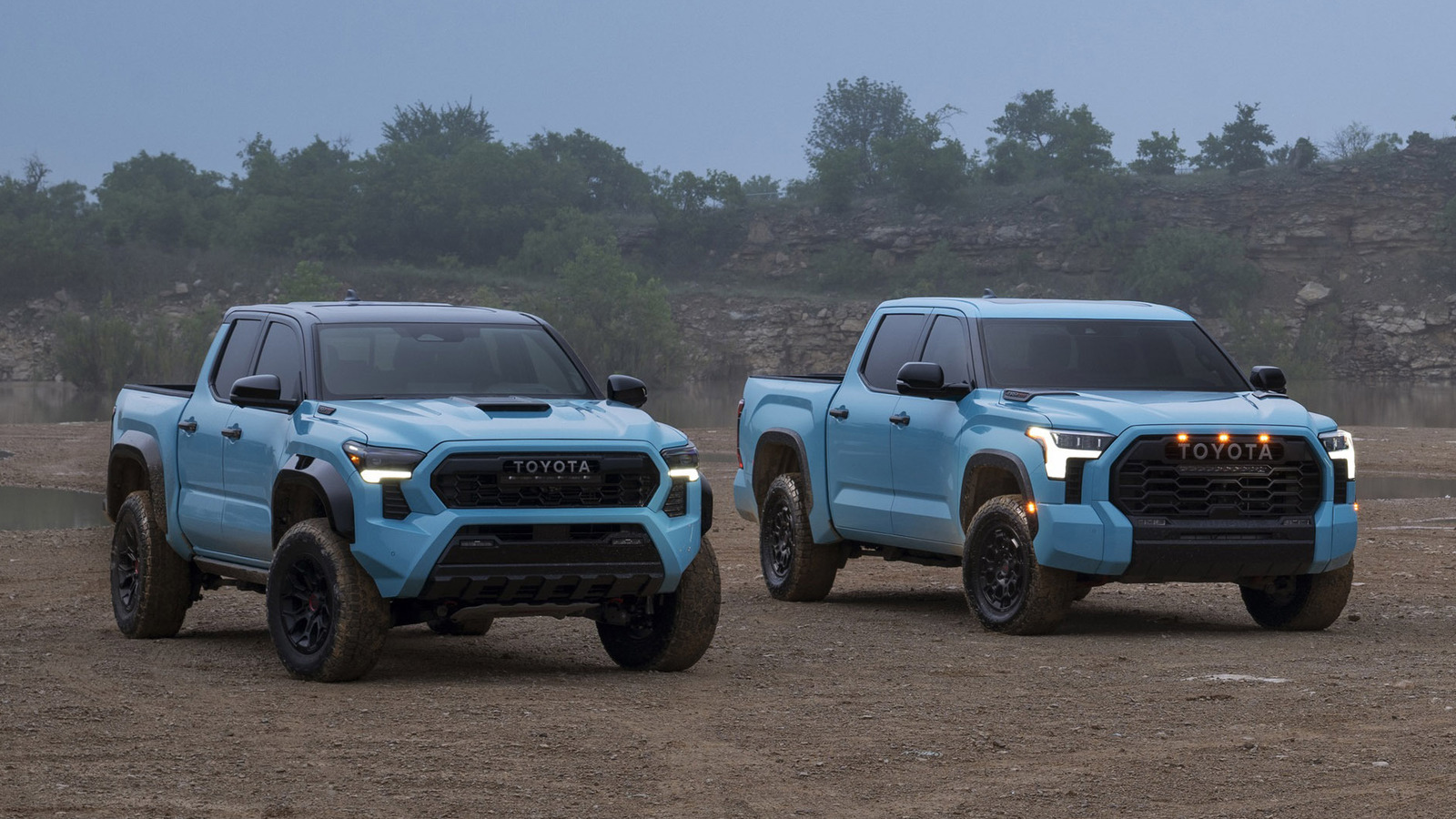
Toyota pickups are famous for holding value, and both the Tundra and Tacoma beat many competitors at resale time, but one of them does trail the other slightly when you look at long-term depreciation. This piece walks through the reasons behind that gap, the market forces that matter, and practical moves owners and buyers can make to protect value. Expect plain talk about durability, demand, and the small structural factors that tip the scales toward one model.
Start with the basics: Toyota reliability is real and that reputation is the backbone of strong resale across the board. Parts are plentiful, independent shops know how to work on these trucks, and a healthy used market keeps prices firm compared with many rivals. Both trucks benefit from that broad trust, which is why neither crater dramatically in value compared with some other brands.
Still, the Tundra holds a slight disadvantage compared with the Tacoma, largely because it sits in the full-size arena where competition is fierce and buyer behavior is different. Full-size buyers often choose domestic models like the F-150 or Silverado for fleet and work duties, and that pushes more Tundras into used channels where mileage and wear can be higher. Fuel costs, larger ongoing maintenance bills for heavy towing setups, and the higher initial sticker mean the Tundra’s percentage depreciation can edge up faster than the Tacoma’s over the same ownership period.
The Tacoma benefits from being the right size for a huge swath of buyers: tradespeople who want maneuverability, outdoor enthusiasts who value off-road chops, and urban owners who want a truck without a monster footprint. That broad, persistent demand keeps auction floors and private sales competitive, especially for popular off-road trims and the hard-to-find manual or midrange configurations. Add a strong aftermarket for accessories, high interest in TRD Pro and TRD Off-Road versions, and Tacomas often enjoy tighter supply in the used market, which supports higher resale prices.
Trim choice and how a truck is optioned matter a lot for resale, and this plays out differently between the two models. A Tundra loaded with luxury features or heavy-duty towing packages can attract a narrow buyer pool and take longer to sell, while stripped fleet versions will lose value faster. Tacomas, on the other hand, see premium for well-specified off-road trims and accessories that are popular with private buyers who pay a premium for capability and cachet.
Model cycles and generational changes nudge values too, so timing matters. When a new generation drops, older examples typically take a modest hit, but if the new model brings undesirable tradeoffs people sometimes favor the outgoing generation. Certified pre-owned programs and transferable warranties can blunt depreciation and make a used Tundra or Tacoma more appealing, especially to buyers prioritizing peace of mind over chasing the absolute lowest price.
Condition and ownership history are plain truth dealers: low-mile, well-maintained trucks with full service records sell noticeably better than similar-spec rigs with spotty history or visible abuse. Mods that increase capability without compromising drivability and reliability tend to help resale, while extreme lifts, sketchy wiring, or engine swaps scare away many buyers. Keeping receipts, sticking to manufacturer service schedules, and avoiding needless cosmetic abuse are the simplest, most effective ways to preserve value.
Regional demand is another wrinkle you can’t ignore: Tacomas sell like hotcakes in coastal and mountain states where off-road culture and smaller parking spots favor midsize trucks, while Tundras find steadier fleets and heavy-duty buyers in areas with agricultural and towing needs. If you’re buying or selling, match the truck to the market: a Tacoma might command a premium on the West Coast, while a Tundra could be easier to move in regions where larger trucks are standard equipment.
At the end of the day you can influence resale more than you might think by choosing the right trim, keeping records, and understanding local demand. Monitor pricing trends, avoid extreme custom work that narrows your buyer pool, and use certified programs when possible to get the best return later on. If preserving value matters to you, these practical habits matter more than worrying about small percentage gaps between two otherwise durable Toyota pickups.
