
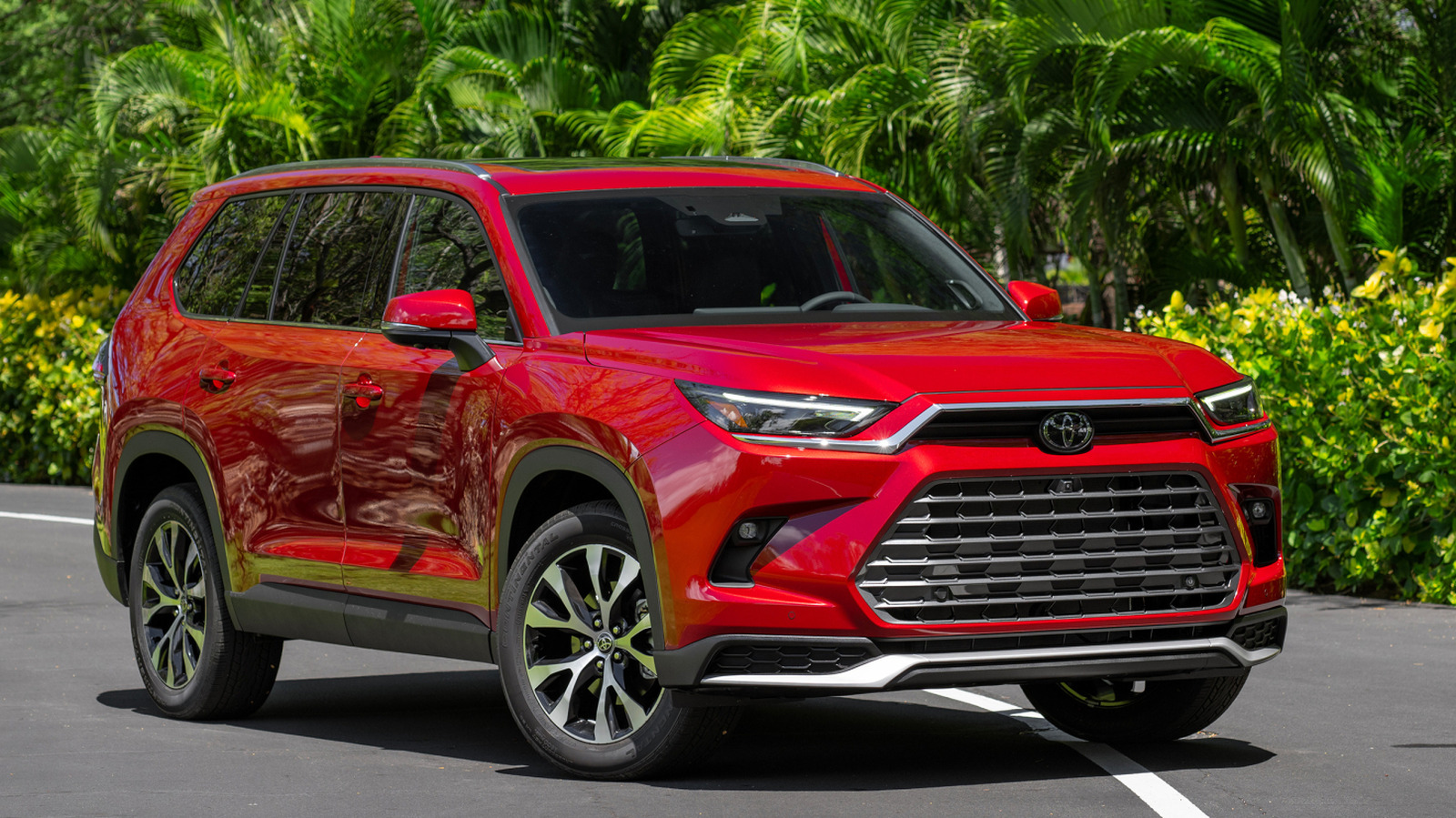
- Look at the Toyota Grand Highlander’s core strengths
- Compare it with major three-row SUV rivals
- Weigh space, power, fuel economy, and price
- Highlight how each competitor lines up on value
- Keep the Grand Highlander at the center of the matchup
The Toyota Grand Highlander sits right in the sweet spot for families who want a roomy three-row SUV without stepping into full-size territory. It blends strong cargo space, solid fuel economy, and a range of powertrains that give shoppers room to choose what matters most, whether that is efficiency, speed, or all-around ease of use.
That mix makes it a benchmark in the segment, but it is far from alone. A handful of other big-name SUVs bring their own angles to the table, and each one pushes hard in areas like comfort, price, performance, or standard equipment.
The Hyundai Palisade is one of the closest matches. It comes in with a redesigned cabin, more room for passengers, and a lower starting price than the Toyota, though it gives up some cargo capacity in the process.
Powertrain choices also keep it competitive. Hyundai offers a V6 in the standard setup and a hybrid version for shoppers who want a little more punch, but the Grand Highlander still holds the edge when it comes to efficiency on its best hybrid model and quicker straight-line speed in its top performance trim.
Kia’s Telluride remains a crowd favorite for good reason. It offers a roomy interior, strong standard features, and pricing that lands below the Toyota, which makes it feel like a smart buy before the test drive even starts.
It does give up some storage space versus the Grand Highlander, though, and that matters if the SUV is going to spend its life hauling sports gear, luggage, or half the house. On the other hand, its fuel economy and strong family-friendly packaging make it a serious threat in the same shopping cart.
Mazda takes a different path with the CX-90. Instead of chasing maximum square footage, it leans into a more upscale feel, standard all-wheel drive, and a rare inline-six engine in this class, giving it a more premium personality than most rivals.
That said, the Grand Highlander still wins on sheer room. The Mazda’s cargo area is smaller, and while its plug-in hybrid version is appealing for short electric-only trips, Toyota’s larger interior and stronger utility make more sense for buyers who need max flexibility from day one.
Honda’s Pilot brings a tough, practical vibe with a refreshed design and a focus on usable family space. It has plenty of passenger room, a big cabin, and enough familiar strengths to keep it high on the list for people who want a no-drama daily hauler.
Still, the Pilot doesn’t offer a hybrid, and that leaves the Toyota with a broader spread of efficiency options. If gas mileage is a big part of the decision, the Grand Highlander has more to brag about, especially in hybrid form.
The Jeep Grand Cherokee L adds a dose of rugged personality and a long-wheelbase body that looks ready for adventure. It has strong engine options and a premium feel, but compared with the Grand Highlander, it comes up short in both passenger and cargo space.
That is the recurring theme here. The Toyota Grand Highlander is not always the flashiest or cheapest, but it keeps landing in a sweet balance of room, efficiency, and flexibility that makes the competition work harder. For shoppers cross-shopping this segment, that balance is exactly why it stays such a tough SUV to beat.
