
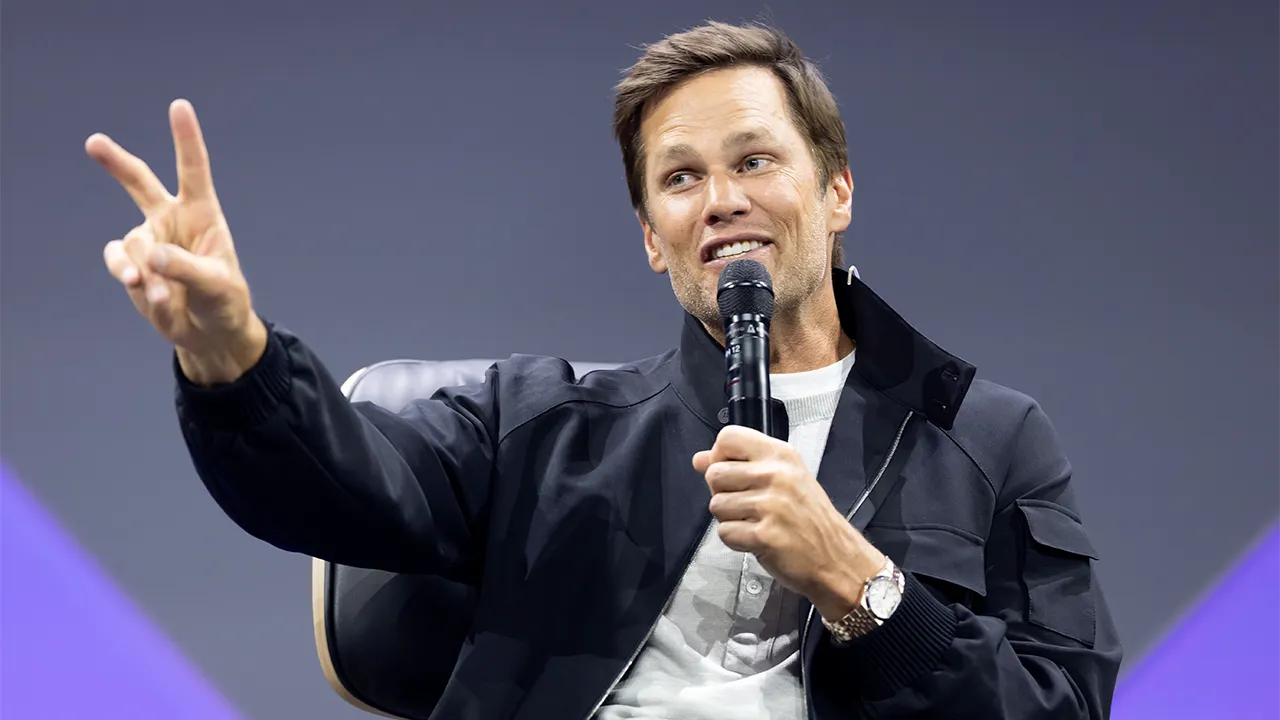
Tom Brady isn’t handing out shortcuts. He’s making it plain that Raiders rookie Fernando Mendoza has to prove himself the hard way, while also using his new role off the field to push a bigger message about health, discipline, and access to care. The through line is simple: whether you’re chasing an NFL job or trying to get healthier in everyday life, nothing worthwhile gets handed over for free.
Brady made it clear he respects Mendoza, but respect is not the same as approval. Young quarterbacks can arrive with buzz, highlight reels, and a lot of noise around them, but that does not mean they’ve done enough to earn trust inside a locker room.
When Brady talked about the rookie, he kept coming back to the same idea: experience is earned through reps, mistakes, and pressure. In his view, a player does not get to live off reputation or draft talk, because the league only rewards what happens on the field.
“Well, I love Fernando, but Fernando is like every other young rookie,” Brady said. That line says plenty about his mindset, which is less about hype and more about accountability. “He’s got to go out there and earn it like everybody else… none of these young players, none of the rookies have ever had a meaningful snap in the NFL.”
That no-nonsense approach fits Brady’s football legacy. He built his career by stacking one earned opportunity after another, and he expects that same kind of grind from the next wave of players. In his world, talent gets attention, but work gets the job done.
Brady also pointed out that a player’s future is shaped by more than arm strength or draft position. The real test, he said, is how someone responds to adversity, how hard they work, and whether they show up as a good teammate when the room gets tight.
“Their career and their journey will be determined by the work that they put in, by the adversities that they overcome, by the kind of teammate and team player that they are,” Brady added. That kind of talk lands differently coming from someone who spent years at the top, because it sounds less like theory and more like a blueprint.
Brady is taking that same blueprint into his post-playing life. He recently joined eMed as Chief Wellness Officer, and the move gives him a platform to talk about health in a way that feels personal, not polished. He’s not pretending everyone has the same resources he had as an elite athlete, and that’s exactly why he says the system needs to open up.
“My body truly was my asset as a football player,” Brady recalled. He said the habits he learned over time helped him stay energized and ready to perform, and now he wants those lessons to reach people who do not have a pro sports support staff around them. “So you’re right, I was very lucky over a period of time to learn a lot of disciplines that allowed me to take the field feeling very healthy, feeling energized and excited about going out there to try to, you know, win some football games.”
That broader mission centers on everyday people, not just athletes. Brady said most people are living active lives in their own way, whether that means keeping up with work, staying present for their kids, or simply trying to feel better from one season of life to the next.
“But when I retired, I realized that there’s a lot of people in life that maybe they’re not professional athletes, but to a degree, we all are living athletic lifestyles,” he said. “We wanna be healthy. We wanna play with our kids. We wanna play with grandkids.”
He also spoke positively about GLP-1 medications and the role they can play in helping people start turning things around. Brady framed it as part of a larger wellness journey, where the first win is getting moving in the right direction and the next win is staying there long enough to build momentum.
“There’s no debate about the way that this medicine is working right now in terms of keeping people and getting people on their wellness journey started,” Brady stated. “And then we do a great job keeping them on that journey.”
For Brady, the connection between sports and health is tighter than most people realize. The same habits that kept him sharp for football, like discipline, consistency, and responsibility, are the same habits he believes can help people improve their lives off the field. “I realized that a lot of the values that I had as an NFL player transitioned very well to what happens in the workforce,” he explained. “And it comes down to accountability, discipline, showing up for other people, serving other people.”
