
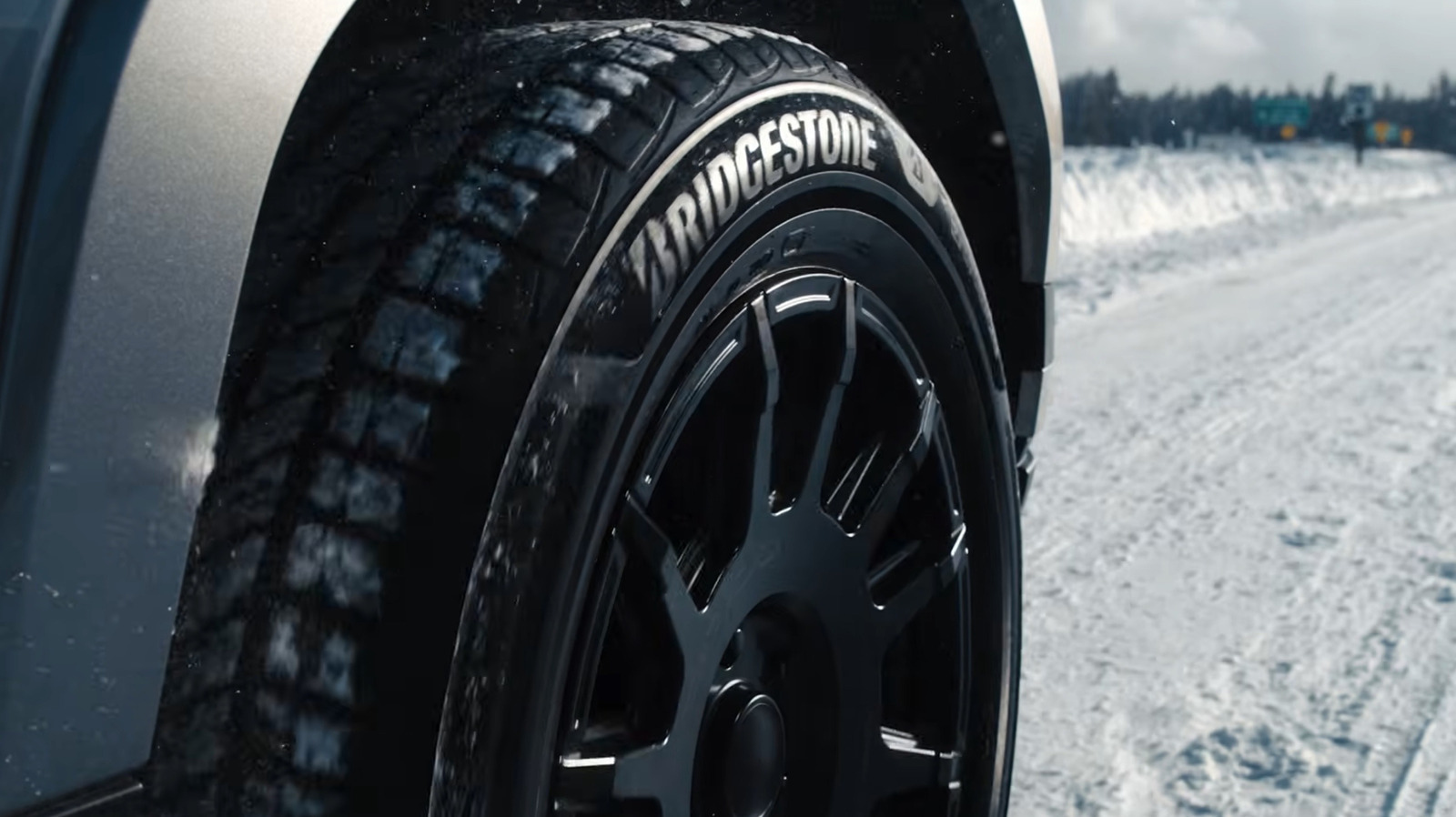
Bridgestone’s UltraWeather tires are getting a serious boost from Tire Rack, and the buzz is not just about one flashy number. The testers put the new all-weather rubber through a wide range of conditions, and the standout results came when the pavement turned icy and snow-covered. That is where the UltraWeather line separated itself from its predecessor and started looking like a real upgrade for drivers who want confidence when the weather gets ugly.
Choosing tires can feel like wading through a giant pile of almost-identical options. Brand reputation matters, but real-world testing often matters more, especially when the goal is finding something that can handle daily driving without folding the moment winter shows up. Tire Rack’s take on the UltraWeather tires gives shoppers a clearer picture of where these Bridgestones fit in the crowded tire market.
What made the testing so interesting was the range of conditions the tires faced. The drivers did not just check one box and call it a day, they pushed the UltraWeather tires through the kind of mixed scenarios people actually deal with on the road. Even so, the icy and snowy performance was the part that drew the most attention, because that is where a tire can either inspire trust or leave a driver white-knuckling the wheel.
In ice testing, the UltraWeather tires outperformed the older WeatherPeak models in a way that was hard to ignore. Tire Rack reported that they cut nearly 6 inches from acceleration figures and trimmed almost 3 feet from stopping distance. That kind of gain may sound small on paper, but on a slick road it can be the difference between a controlled stop and an ugly surprise.
The snow numbers were just as strong, and maybe even more encouraging for people who regularly deal with winter weather. The UltraWeather tires shaved almost 3 feet off both acceleration and stopping distance compared with the prior model. They also showed better cornering traction, handling, and balance, which means they did not just get from point A to point B, they did it with more composure.
That matters because winter driving is rarely about one dramatic moment. It is about the constant little losses of traction, the uneven grip, the slushy turns, and the stops that need to happen a little sooner than expected. A tire that stays calm in those conditions can make everyday driving feel a lot less stressful.
There is also the simple fact that these tires are still pretty new. Bridgestone launched the UltraWeather line in June 2026, so the long-term review pool is not exactly overflowing yet. For now, Tire Rack’s testing carries a lot of weight, especially for buyers who want an early look at whether a new product lives up to the hype.
Price, though, is where the conversation gets more complicated. The UltraWeather tires start at about $195.99 for a single tire in the 205/50R17 size, and some versions go much higher. For a 2026 Toyota Camry-size setup, the cost can jump to $283.99 per tire, which pushes a full set well past the $1,000 mark.
That higher-end pricing makes the tires feel more like a premium buy than a casual swap. Larger sizes can climb as high as $373.99 each, which means SUV and truck owners may be looking at an even steeper bill. On the plus side, the tires come with a 60,000-mile warranty, and Tire Rack also gave the 3-Peak Mountain Snowflake models solid marks for road noise and dry-road handling.
