
Control of the Senate is about to flip, and the clock is almost out. That makes the final stretch a blunt test of whether Republicans use the opening they still have or let it slip away while the other side gets ready to shut the door.
Jan. 3, 2027 is the hard deadline, and the list in front of Senate Majority Leader John Thune is not small. There are 23 pending judicial nominees, including four for the circuit courts and 19 for district courts, and the job is to move them before power changes hands.
The appellate courts sit near the top of the stack because they shape the law long after the headlines fade. The Supreme Court hears only a tiny slice of cases, which means the circuit courts often have the last word for ordinary litigants, businesses, and families tangled in federal court.
That is why the current batch of nominees matters so much. President Trump has put forward Anna St. John, Todd Butler, Lee Rudofsky, and Dan Domenico for key appellate seats, and each brings real courtroom experience to the table.
St. John, Rudofsky, and Domenico already serve on district courts in Louisiana, Arkansas, and Colorado. They are not strangers to federal judging, and that kind of background gives them a steady hand when the job gets heavier and the stakes get higher.
The seats they would fill are not minor openings. They belong to judges like Leslie Southwick, Kurt Engelhardt, Bobby Shepherd, and Timothy Tymkovich, men whose long service has carried serious weight in the federal system.
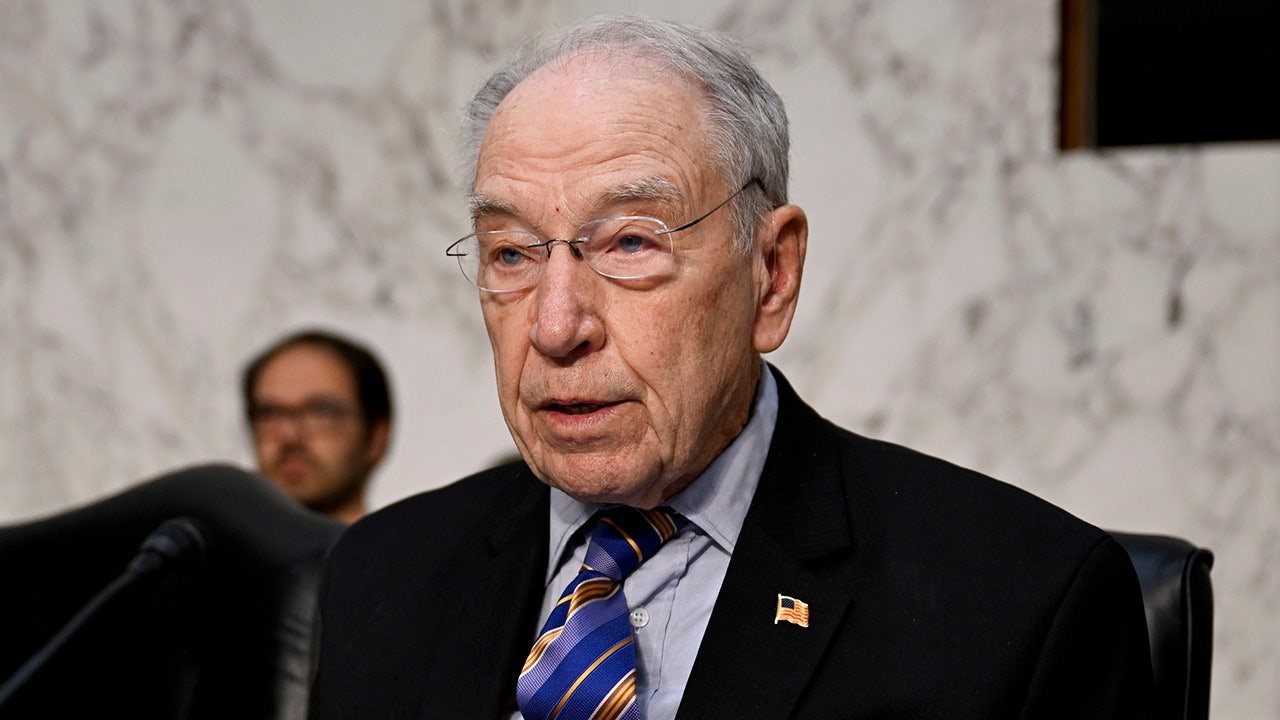
On the Senate side, Judiciary Committee Chairman Chuck Grassley has already started the machinery by scheduling hearings. That part is not glamorous, but it is the only way the process moves, and every delay now gives the other side more room to stall later.
There are always senators who want more time, more questions, and more waiting around. Sen. John Boozman and Sen. Tom Cotton have raised concerns about Rudofsky, which is fair enough in a serious confirmation process, but the calendar is not generous and the vacancy will not stay harmless forever.
The district court seats matter too, even if they do not draw the same spotlight. These judges will handle real disputes for years, and once they are confirmed, their decisions can echo through the law long after most people have stopped paying attention.
Republicans have seen this movie before. In the 2024 lame-duck stretch, Democrats moved their own judges with urgency once the political map shifted, and they did not spend much time worrying about how it looked to the other party.
That memory matters because it cuts through the usual theater. When the other side gets a chance to lock in its priorities, it does not hesitate, and there is no reason for Republicans to pretend judicial stakes are somehow less important when the roles reverse.
These confirmations are not about vanity or bragging rights. Lifetime appointments shape constitutional law, federal power, and the boundaries that keep the country from drifting wherever the loudest activist wants to drag it.
The outgoing Senate still has time to finish the work, but not much. Every missed vote, every stalled hearing, and every excuse handed to the opposition could leave these seats open for a future administration that sees the courts very differently.
That is the real pressure in the room. The chamber can either leave behind a bench shaped by conservative jurists ready to serve for decades, or it can hand the left a much easier path to lock in its own people when the political winds shift again.

1 Comment
RINO Thune has been blocking every Trump appointee