
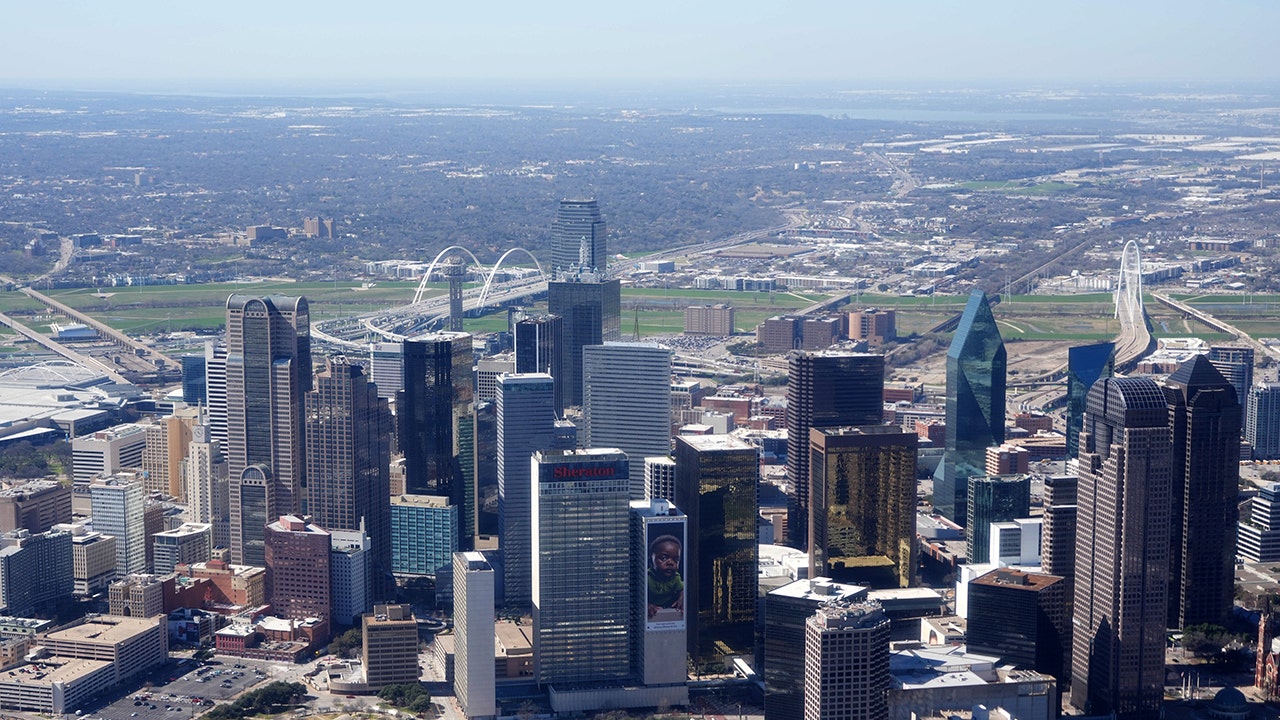
A new player has stepped onto the market stage in Dallas, and it is aiming straight at the biggest names in American finance. The Texas Stock Exchange is now live, backed by heavyweight firms and built around the idea that the center of business power is shifting south.
The exchange, often called the “Tex-ee,” is based in Dallas and has opened for trading on all listed tickers. It is the first major new U.S. stock exchange launch in decades, which makes the debut a pretty loud statement in a world long dominated by New York.
BlackRock, Goldman Sachs, and Charles Schwab are among the well-known backers giving the project a serious dose of credibility. That kind of support does not guarantee success, but it does show the TXSE is not some small-time experiment.
The exchange is aiming to start corporate listings later this year and wants to handle initial public offerings beginning in 2027. That puts it on a direct path toward competing for companies that want a fresh option beyond the old guard of the New York Stock Exchange and Nasdaq.
TXSE is pitching itself as the first primary corporate and ETP listings venue built in what it calls the “Boom Belt.” The pitch is simple: the South and Texas are growing fast, and the exchange wants to ride that wave instead of chasing the business climate of older financial hubs.
That argument leans hard on the region’s economic muscle. The company says the Boom Belt has an annualized GDP of $8.9 trillion, handles 40% of American exports, and has seen 57% of U.S. job growth over the past five years.
For now, the exchange is working out of temporary offices in Uptown Dallas. A bell-ringing ceremony is set to mark the official launch, which gives the whole thing a classic market touch even though the broader strategy is aimed at changing the future.
The long-term plan is even bigger. TXSE intends to move into the Bank of America Tower and turn it into the Texas Market Center, a permanent headquarters meant to make the exchange feel rooted, visible, and built for the long haul.
That future home is supposed to be more than just office space. Plans call for executive offices, a Texas business museum, a broadcast studio, and several areas inside the tower, including ground-floor space and a 12th floor sky lobby.
Dallas itself is becoming part of the pitch. The location is not just a dot on the map, because the exchange believes being close to the fast-growing South gives it an edge with companies looking for a listing venue that feels less boxed in by coastal finance.
The launch also fits into a wider business migration that Texas has been encouraging for years. Companies continue looking at the state for relocation and incorporation changes, drawn by business-friendly rules and a lighter tax burden than what they often face in places like California and New York.
That pressure is already nudging the competition to respond. The New York Stock Exchange and Nasdaq have both expanded in Texas and have worked to attract dual listings, showing that the fight for market influence is not staying confined to one zip code.
Even the presence of the new exchange is changing the tone of the conversation. Instead of treating Texas as a place that follows the financial script written elsewhere, TXSE is trying to make Dallas look like a place where the next chapter can actually be written.
For companies scanning the landscape, that is the real test. If the exchange can turn its backing, timing, and Texas identity into real listings and real deals, it will have earned more than attention, it will have earned a seat at the table.
