
• Texas schools and the Ten Commandments
• Supreme Court review of classroom religious displays
• Fifth Circuit’s constitutional reasoning
• History, heritage, and public education
• Coercion versus exposure in schools
• Religious liberty and the First Amendment
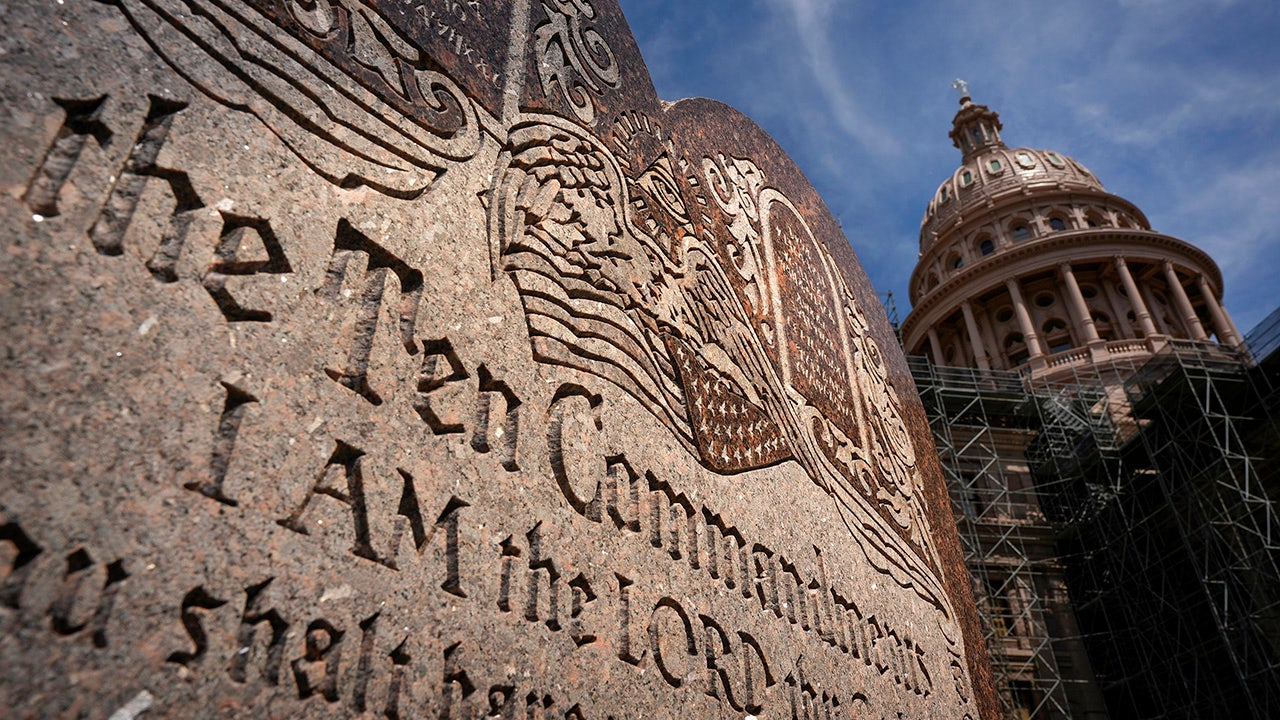
The fight over the Ten Commandments in Texas schools is headed straight into a bigger constitutional battle, with the Supreme Court now being asked to decide whether the displays can stay. Supporters say the law simply recognizes a text that helped shape American law and culture, while opponents insist it crosses a line by putting religion into the classroom. The real question is whether showing a historic religious document is an unconstitutional endorsement or just part of the country’s story.
The Fifth Circuit said the answer is pretty straightforward. Posting the Ten Commandments, the court found, is not the same thing as forcing religion on students, and it does not resemble the old government-run religious establishments the Founders rejected. That distinction matters, because the Constitution was written to stop coercion, not to scrub every religious reference from public life.
That point cuts against the idea that any religious content in school is automatically off limits. Students already encounter major works tied to faith, morality, and history, and no one calls that indoctrination just because the material has religious roots. A classroom can teach about the world as it is and as it was without turning into a chapel.
Texas officials backing the law argue that the Ten Commandments belong in that category. The text is not just a religious statement, but also a legal and cultural landmark that influenced Western law, civic ethics, and the basic language of right and wrong. Its commands against murder, theft, and lying have echoed through legal systems for centuries, which is why many see the display as educational rather than preachy.
Opponents say public schools are different because children are impressionable and government displays can feel like pressure. That concern is not silly on its face, but the law at issue does not require students to pray, memorize, or affirm anything. It asks only that the words be posted, and that is a long way from forcing belief or worship.
That idea fits with a broader shift in Supreme Court religion cases. In recent years, the Court has moved away from a vague test that treated many religious displays as suspect and toward a more historical approach focused on actual coercion. If the government is not mandating faith, punishing dissent, or running a church, the Constitution is not usually offended.
History matters here, and not in a dusty, ceremonial way. The Founders did not build a system that demanded religion disappear from public institutions, and they certainly did not imagine that schools should act as if faith had never shaped the nation. American public life has always carried religious language, symbols, and assumptions, from founding documents to civic mottos.
Even the Supreme Court’s own building reflects that tradition. The Ten Commandments appear in the architecture there, which makes the fight over classroom displays feel a little selective to critics of the bans. If the text can sit on a landmark courthouse without turning the building into a church, the argument goes, why should a school hallway be treated as toxic ground?
At bottom, this is really about what freedom means. A pluralistic country can expose students to religious ideas without forcing them to adopt any of them, and that kind of exposure is part of a full education. Treating every religious reference as contamination would not protect liberty, it would flatten out the nation’s history until nothing meaningful was left.
The Supreme Court’s choice will say a lot about whether the Constitution still leaves room for the country’s religious heritage in public spaces. Texas supporters are betting that the answer is yes, and they are treating this case as a test of whether simple acknowledgment is now being mistaken for coercion. That is a narrow line, but it is one the Court will have to draw with real care.
