
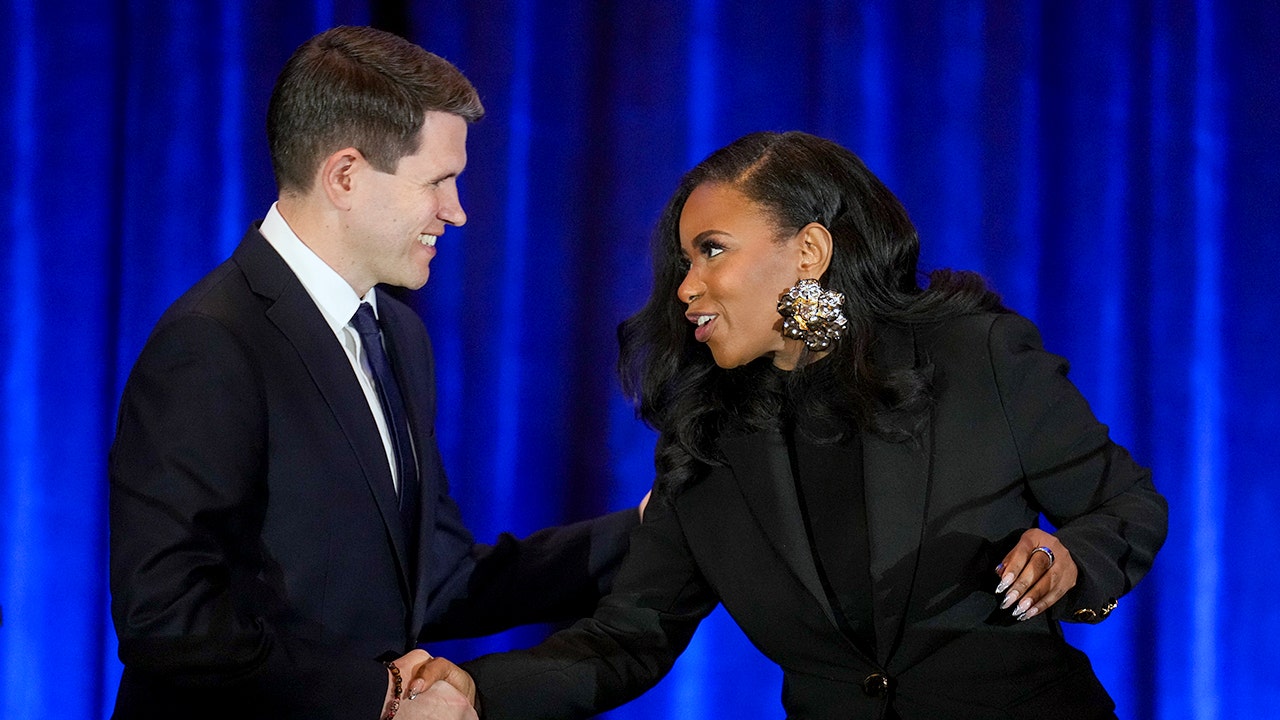
The Texas Democratic Senate primary has turned into a clash between grassroots instincts and liberal media favor, with one candidate getting national hype while the other fights to hold ground at home. This piece walks through the media boost for James Talarico, the grassroots resilience behind Rep. Jasmine Crockett, the odd polling swings, and the racial undertones driving voters’ reactions. I follow reporting from the campaign trail, voter interviews, and the fallout from a late-night satire moment that quietly pumped millions into a nominee’s coffers. The contest now looks less like a tidy primary and more like a stress test of media influence and Democratic coalition dynamics.
The media narrative jumped early and loud, pushing James Talarico into a national spotlight that most state primaries never see. A late-night segment claimed an interview was suppressed, then turned out to be satirical, yet the net effect was real cash and attention for Talarico. That kind of manufactured momentum makes voters and operatives skeptical, because coverage can shape perceptions more than door-knocking on the ground.
On the other side, Jasmine Crockett has not rolled over. She is vocal, visible, and clearly energized among core constituencies who argue she understands their lives better. That energy shows up in public encounters and union signals, and it keeps the race competitive despite the media wind at Talarico’s back. Voters on the ground sound unconvinced that headline hype equals real electability.
One conversation stuck out in Dallas when a sanitation worker named Cedric interrupted the usual script by calling out race as part of the story. “They don’t think the Black woman can win,” he told me, referring to what he sees as the media’s preference for the White Talarico. “But everyone I know is voting for her, and the unions are. Don’t count that woman out.” His bluntness revealed how media signals can clash with community loyalties.
There was also that viral clip of a White woman in tears, confessing she loved Crockett but felt pressure to back Talarico for electability. That scene went viral for a reason—it captured guilt, peer pressure, and the odd calculus voters wrestle with when race and strategy collide. Those moments are messy, and they quickly become talking points that the press amplifies rather than interrogates.
Polling in this primary reads like a tug-of-war, with wildly different snapshots released in the same week showing opposite leaders. One poll shows Talarico up by double digits, another puts Crockett ahead by the same margin. That volatility often reflects more about assumptions pollsters make than voters themselves, and it gives pundits an excuse to declare momentum that might not exist.
Across the state, voters express a healthy distrust of those polls. “I don’t trust the polls at all. I just vote for who I think is best,” a young barista named Cindy said, and she declined to name her pick. Skepticism about polling techniques and sample definitions makes it easy for media narratives to get amplified as fact when they are really just snapshots with heavy methodology baggage.
The Washington attention has consequences. Vice President Kamala Harris threw her weight behind Crockett, a move that could be a double-edged sword for Democrats. Some insiders fret the endorsement binds Crockett to national dynamics that may not play well with local voters or with the party’s 2028 ambitions. The endorsement signals national priorities, but it also invites national scrutiny.
Republican operatives watching this contest see opportunity. When the liberal media plays favorites and Democratic voters feel nudged toward an allegedly safer option, the result can be fractured turnout and angry voters. The idea that Democrats should always back a perceived electable White man to avoid an upset is increasingly being questioned within their own base, and that tension matters this week.
On election night, this race will tell us more than who wins a primary. It will reveal whether national outlets still sway local choices, how durable grassroots loyalty is when tested by intensified coverage, and whether the party can hold together after a bruising contest. The stakes go beyond personalities; they touch on who controls the narrative and how voters react when coverage and community diverge.
Both candidates have pledged to support the other should they lose, a conciliatory note that may help patch things up but will not erase the sharper debates already in public view. The campaign has exposed how media attention, racial dynamics, and raw polling volatility can shape a primary in unpredictable ways, and Texas voters are left to decide which signals they trust.
