
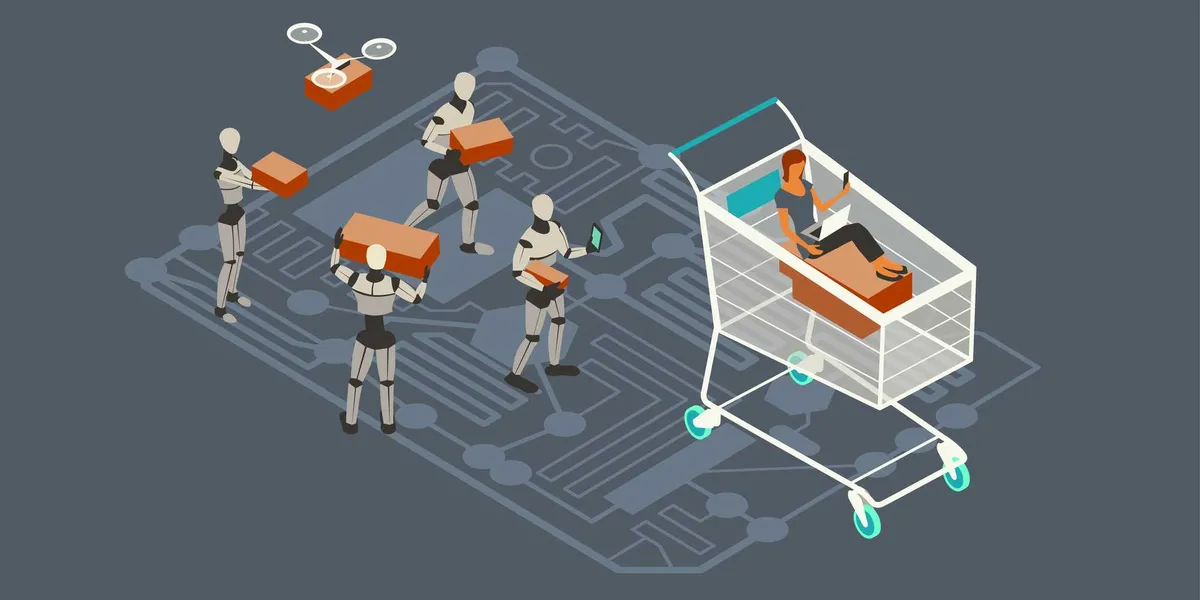
Retail prices are no longer always the same for everyone, and that shift has a lot of people looking twice at their screens. Some companies are testing ways to adjust what shoppers see based on data, timing, and behavior, and the pushback is growing fast.
There is now a bigger conversation about how much personal information should shape everyday pricing, especially when the buyer never asked for that kind of attention. The concern is simple: if a company knows more about the person than the person knows about the offer, the game already feels stacked.
Some supporters call it smart pricing, a flexible way to match demand with what customers are willing to pay. Critics see something much darker, a system that quietly rewards the most data-hungry businesses and turns normal shopping into a surveillance exercise.
That tension is what makes the issue so explosive. People are used to coupons, sales, and changing market conditions, but they are far less comfortable with the idea that a screen may be studying them in real time and setting the number accordingly.
One state has drawn a hard line and refused to go along with the trend. That decision stands out because it signals that not every government is willing to let tech-driven pricing spread without a fight.
The move reflects a broader unease with how much control digital platforms now have over consumer life. When pricing becomes tied to personal signals, shoppers can no longer trust that the number on the screen means the same thing for everyone standing at the checkout.
That kind of uncertainty can change behavior in a hurry. If people start believing they are being singled out for higher prices, confidence drops, and even ordinary purchases begin to feel like traps.
Businesses argue that dynamic systems can make commerce more efficient and help match supply with demand. Still, efficiency is a hard sell when the public suspects that convenience is just a polished excuse for extraction.
The deeper issue is not only about cost, but about power. A company that can profile customers well enough to shift prices has a serious edge, and that edge can easily be abused if no one is watching closely.
That is why the debate has moved beyond tech circles and into everyday conversation. It touches groceries, travel, entertainment, and nearly any place where algorithms can learn patterns and turn them into a price tag.
For many people, the fear is not that prices will rise once in a while. The fear is that the market will stop being a shared experience and become a private negotiation that always seems to favor the side holding the data.
That is a tough model to defend in public, especially when trust is already thin. The more consumers believe they are being watched, sorted, and charged accordingly, the more resistance this kind of pricing will face.
