
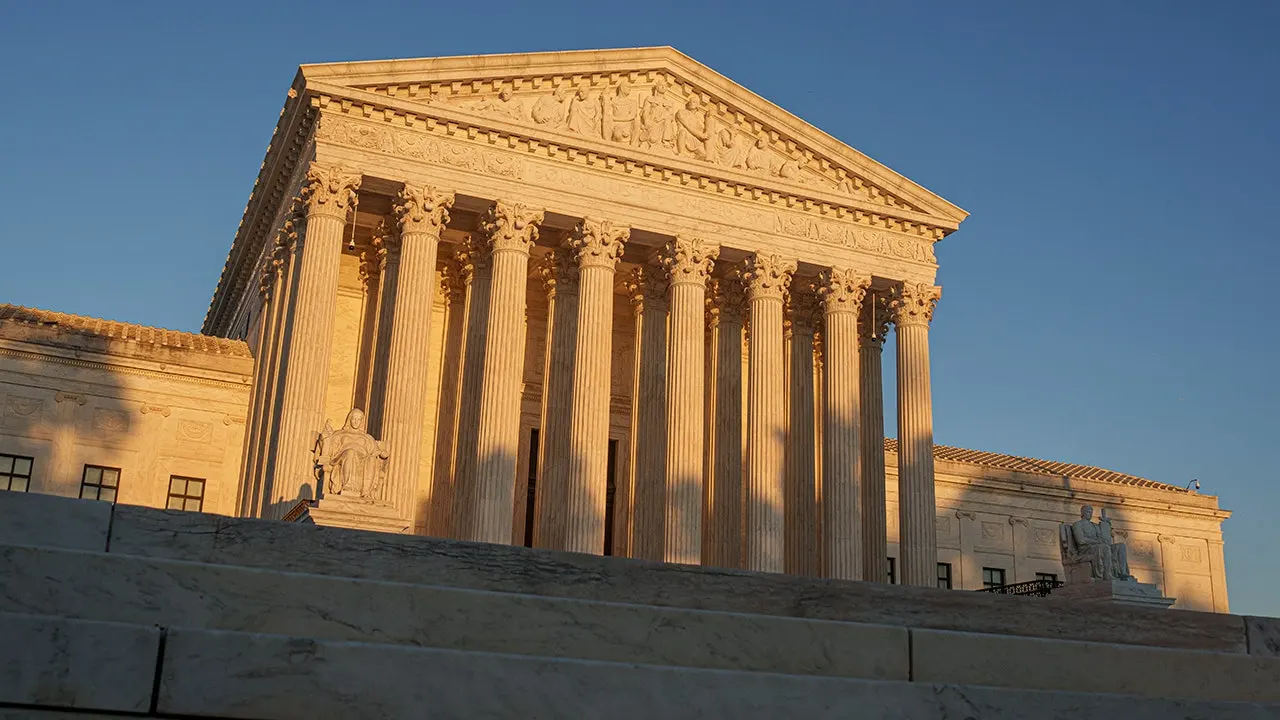
The Supreme Court is staring down a strange but important immigration fight, one that turns on a blunt question: can cooking for a terrorist group count as support that blocks asylum? The case involves a Nigerian man who says he was trapped into feeding armed militants, and the ruling could shape how far federal officials can go when they decide who gets protection in the United States.
Izuchukwu Ozurumba says he was forced to prepare thousands of meals for the Unknown Gunmen, a militant group tied to political violence in Nigeria. According to his account, he worked under threat, escaped when he could, and later made his way to the United States to seek asylum. The legal fight is now less about the messy details of one man’s ordeal and more about how immigration law treats support that looks ordinary on the surface.
At the center of the dispute is the Immigration and Nationality Act, which bars some immigrants from asylum if they gave “material support” to terrorist groups. The law lists examples like transportation, housing, money, weapons and training, but it does not spell out every possible form of aid. That gap is exactly where the argument explodes, because the government says food is support too, while Ozurumba’s side says cooking under duress should not be lumped in with real assistance to violence.
The Supreme Court agreed to hear the Trump administration’s challenge after the 4th Circuit tossed out Ozurumba’s deportation order. A majority on that court said his cooking did not amount to material support because the meals could not be directly used for attacks, even if they helped sustain the group’s leaders day after day. The decision sent the case back to immigration officials and kept the broader question wide open.
That part matters because the court is now working in a legal landscape changed by the end of Chevron deference. For years, judges often gave federal agencies wide room to interpret vague laws, but the Supreme Court cut back on that approach in 2024. Now courts have more power to say what the law means for themselves, which gives this case extra weight far beyond one asylum claim.
The facts themselves are unsettling. Ozurumba said he was taken to a rural camp, later learned it belonged to the Unknown Gunmen, and spent months cooking three meals a day for 15 to 17 leaders while guards kept him from leaving. He says he escaped during a trip to buy groceries, then faced more threats before leaving Nigeria for Venezuela and eventually the southern border of the United States.
Immigration judges and the Board of Immigration Appeals originally rejected his asylum request, saying his work violated the material-support bar. The 4th Circuit saw it differently, with the majority saying the meals were too indirect to qualify under the statute. One judge dissented sharply, arguing that feeding terrorist leaders for months clearly freed them up to focus on their own agenda.
Supporters of the administration say the common-sense answer is obvious. If a cook is handling meals, that is one less guard, bomb maker or armed fighter who has to stop what he is doing, and that relief helps the organization function. That argument also pushes back on the idea that only support tied to a specific attack should count, since terror groups survive through everyday logistics just as much as through violence.
The case is not just about one man’s asylum bid, either. It could help define how immigration law treats people who claim they were forced into supporting violent groups while under threat. If the justices side with the government, agencies would likely get a much firmer green light to treat food, shelter and other basic services as disqualifying support when they are given to terror-linked groups.
Even a ruling for Ozurumba would not automatically put him on a path back into the country or guarantee asylum. The case could still bounce through immigration proceedings, where officials would have to sort out the next steps and decide whether any protection applies at all. For now, the bigger story is how the justices answer the broader legal question, and whether a meal cooked under pressure can still be enough to shut the door on asylum.
