
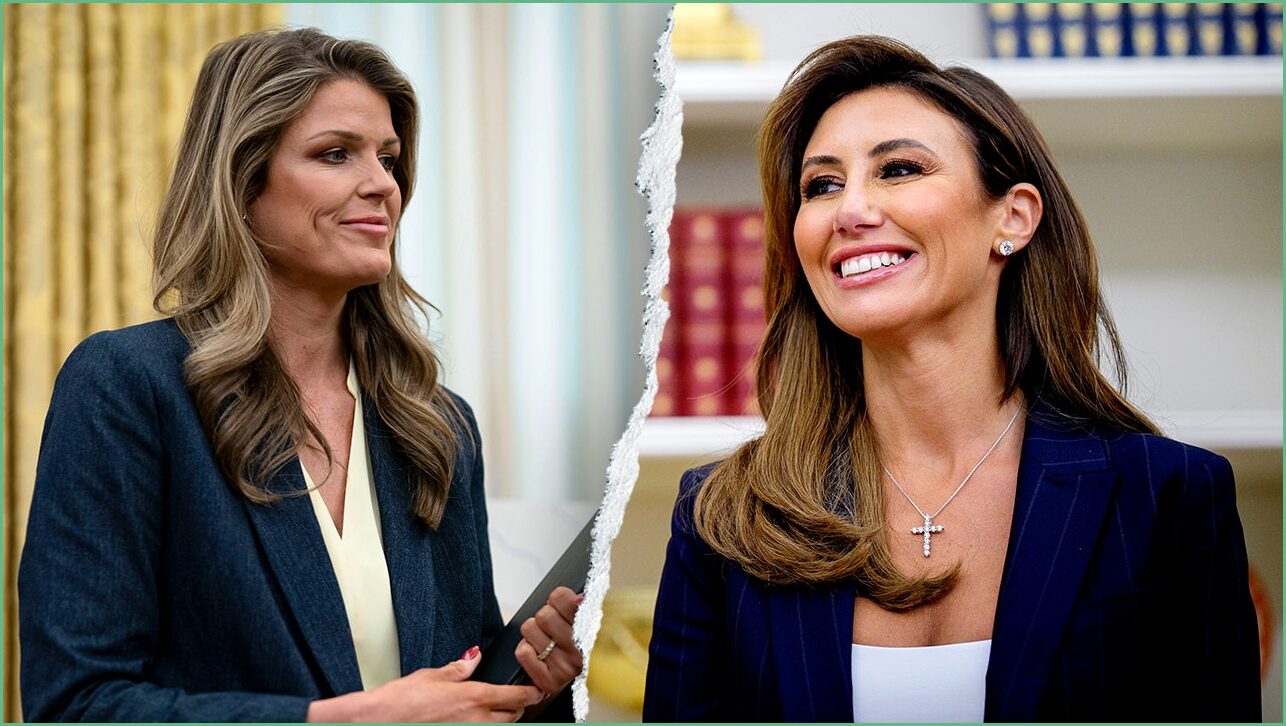
The Supreme Court has to step in again after lower courts invalidated interim appointments of U.S. attorneys, a fight that exposes how the blue slip tradition and a narrow reading of 28 U.S.C. § 546 let left-leaning senators and judges pick prosecutors by default. This article explains how those rulings undermine presidential appointment power, why the 120-day stopgap has been routinely used, and why the High Court should restore the executive branch’s authority and protect the separation of powers.
Two recent decisions struck down the interim installations of Alina Habba in New Jersey and Lindsey Halligan in the Eastern District of Virginia. Both were appointed to 120-day terms by Attorney General Pam Bondi under the statute Congress adopted for temporary fills. Lower courts, however, concluded that after those 120 days the power to fill the vacancy lies only with district judges, effectively locking the executive branch out.
The practical consequence is ugly and obvious: home-state senators who refuse to return a blue slip can stall confirmations and then, with friendly district judges, ensure that U.S. attorneys aligned with their politics run prosecutions. Senators Cory Booker and Andy Kim in New Jersey and Tim Kaine and Mark Warner in Virginia refused to cooperate, and the result is a patchwork of judicial gatekeeping that weakens presidential authority.
The judges who invalidated the appointments leaned on a cramped reading of the Appointments Clause and Section 546, treating the statute as if it permanently strips the executive of any further temporary appointment power once a 120-day term expires. That approach creates a strange rule: one president’s attorney general can be frozen out forever in a given district simply because a prior interim period lapsed, handing district courts the keys until a Senate confirmation comes along, which might be never.
Cameron Currie’s criticism of Halligan’s lack of prosecutorial pedigree missed the point. Whether a U.S. attorney has decades of experience or none is irrelevant to the constitutional question about who gets to appoint them. Currie even referenced a presidential social media post in a way that had no legal bearing on the validity of an appointment, dragging anecdote into a matter of constitutional law.
Historically, successive administrations relied on the same 120-day mechanism for decades without constitutional catastrophe, including in presidencies of both parties. That history matters because it shows Congress and the executive have treated Section 546 as a shared safety valve between the branches. Turning that practice on its head now would not only disrupt federal prosecutorial continuity but also invite tactical sabotage of the justice system.
There are two clear, straightforward fixes the Supreme Court can adopt to correct the lower courts’ error. First, the Court can say Section 546 permits attorneys general to make successive 120-day appointments until the Senate acts. Second, if necessary, the Court can hold that allowing district courts to permanently supplant the executive in appointing its officers offends the separation of powers. Either route restores balance and prevents district judges from becoming permanent gatekeepers.
TRUMP NOMINEES SQUEEZED BETWEEN ‘BLUE SLIPS’ AND BLUE OBSTRUCTION
These fights matter beyond any single district. If courts can systematically convert a temporary statutory mechanism into a permanent block, presidents lose a core attribute of governance: the ability to staff the Department of Justice. That risk extends into future administrations and could make U.S. attorneys beholden to judges rather than to the president and his confirmed team.
THESE ARE THE JUDGES GOING TOE TO TOE AGAINST TRUMP’S AGENDA
The Supreme Court has repeatedly intervened when lower courts overreach, and this controversy is ripe for the same treatment. Bondi, Solicitor General John Sauer, and their legal team have a strong track record at the High Court, and restoring Habba and Halligan would reaffirm that the executive branch retains its rightful appointment powers. The stakes are separation of powers, prosecutorial independence, and the basic principle that presidents, not district judges, choose who enforces federal law.
