
Conservative Institute
Temporary Protected Status (TPS) is an immigration provision allowing citizens from specific countries to stay in the United States due to unsafe conditions in their home nations. Recently, the Supreme Court made headlines by reversing a decision that blocked the Trump administration’s plan to revoke TPS from around 350,000 Venezuelan migrants. This ruling, celebrated by the White House, was described as a victory for American safety and community security.
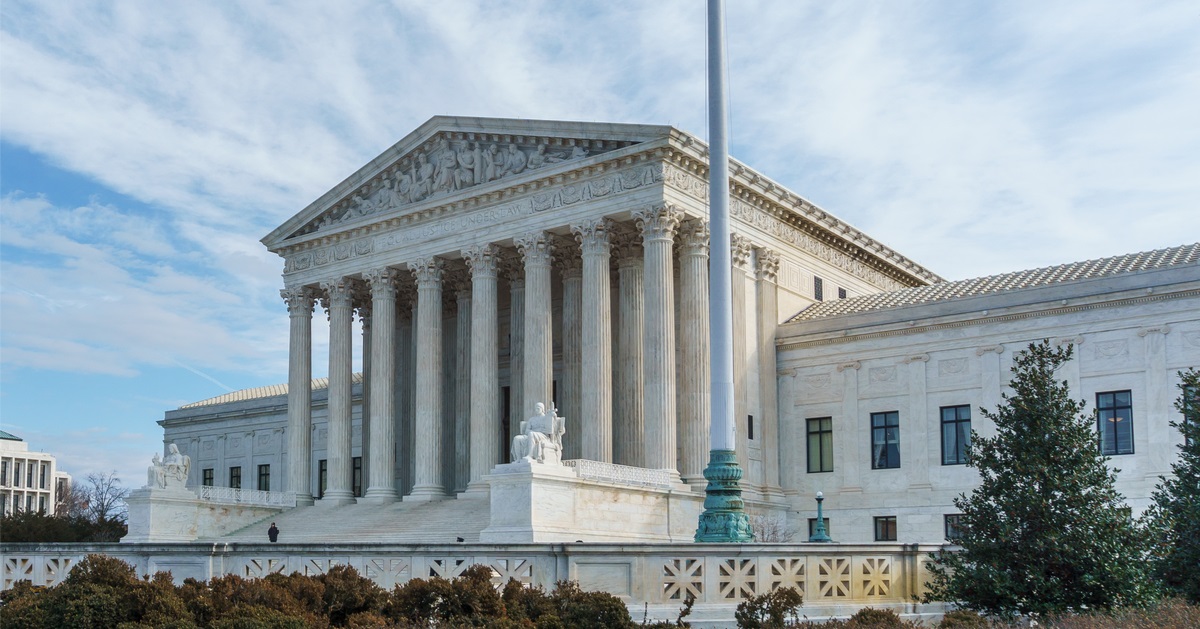
The Supreme Court delivered an eight to one decision, with Justice Ketanji Brown Jackson being the sole dissenter. The Associated Press reported that the ruling reversed an emergency injunction previously issued by U.S. District Court Judge Edward Chen. Judge Chen, appointed by former President Barack Obama, had initially blocked the plan to strip TPS from the migrants.
A Department of Homeland Security spokeswoman, Tricia McLaughlin, called the Supreme Court’s decision a “win for the American people.” She criticized the previous administration for allegedly exploiting programs to allow poorly vetted migrants into the U.S. McLaughlin emphasized that the Trump administration aims to restore integrity to the immigration system and ensure the nation’s safety.
Judge Chen’s injunction was based on the assertion that Venezuelan TPS recipients possessed higher educational attainment and had strong labor participation rates compared to many U.S. citizens. Additionally, he noted that these migrants contribute billions to the U.S. economy and pay significant amounts in Social Security taxes. Despite these arguments, the Supreme Court’s decision allows the Trump administration’s plan to proceed.
In January, former Homeland Security Secretary Alejandro Mayorkas extended TPS protections for about 850,000 individuals. This extension occurred shortly before President Joe Biden’s departure from office. Among those benefiting from the extension were 234,000 Salvadorans and 600,000 Venezuelans, all of whom received work permits.
CBS News detailed that Venezuelan migrants with TPS are divided into two groups. One group received protection in 2021, while the second group was granted TPS in 2023. Homeland Security Secretary Kristi Noem’s current efforts target the removal of approximately 350,000 individuals from the first group.
The move to revoke TPS from Venezuelan migrants has sparked significant debate. Proponents argue that it’s a necessary step to uphold immigration laws and protect national security. Critics, however, highlight the economic contributions of these migrants and question the humanitarian impact of such a decision.
Breitbart covered the issue, emphasizing the educational and economic benefits that Venezuelan migrants bring to the United States. The outlet noted that many TPS recipients have integrated successfully into American society. Nevertheless, the Supreme Court’s ruling enables the administration to proceed with its plan.
While the decision has been praised by some, it has also faced backlash from those concerned about the potential displacement of thousands. The debate continues as the nation grapples with the complexities of immigration policy. The future of TPS and its recipients remains a contentious topic in political discourse.
The legal and political battles surrounding TPS reflect broader discussions about immigration in the United States. As the administration moves forward with its plans, the implications for affected migrants and their communities are profound. The decision underscores the ongoing challenges in balancing security and compassion in immigration policy.
Despite the Supreme Court’s ruling, the conversation about TPS and immigration reform is far from over. Advocates for migrants continue to voice their concerns, highlighting the human impact of policy decisions. As the situation unfolds, the nation watches closely, aware of the significant stakes involved.
The role of the judiciary in shaping immigration policy has once again come to the forefront. The Supreme Court’s decision highlights the power and influence of the judicial branch in determining the direction of immigration laws. For many, the ruling serves as a reminder of the importance of legal interpretations in policy outcomes.
As the immigration debate persists, the focus remains on how best to address the needs of those seeking refuge in the United States. The balance between upholding legal standards and providing humanitarian aid is a delicate one. Policymakers continue to navigate this complex landscape, aiming to find solutions that serve the nation’s interests.
While the Supreme Court’s decision marks a pivotal moment, it also opens the door for continued discussions about immigration reform. The ruling has energized both supporters and opponents of TPS changes, setting the stage for potential legislative action. As the story develops, the diverse perspectives within the debate will shape its trajectory.
The complexities of TPS and immigration policy underscore the multifaceted nature of governance. Decisions made at the highest levels have profound impacts on individuals and communities. As the nation reflects on the Supreme Court’s ruling, the conversation about immigration reform is likely to evolve, influenced by both legal and societal factors.
Given the significance of immigration in American politics, the Supreme Court’s decision is a critical juncture. The ruling has implications not only for Venezuelan migrants but for the broader discourse on immigration. As the debate continues, the nation remains engaged, aware of the far-reaching consequences of policy decisions.
