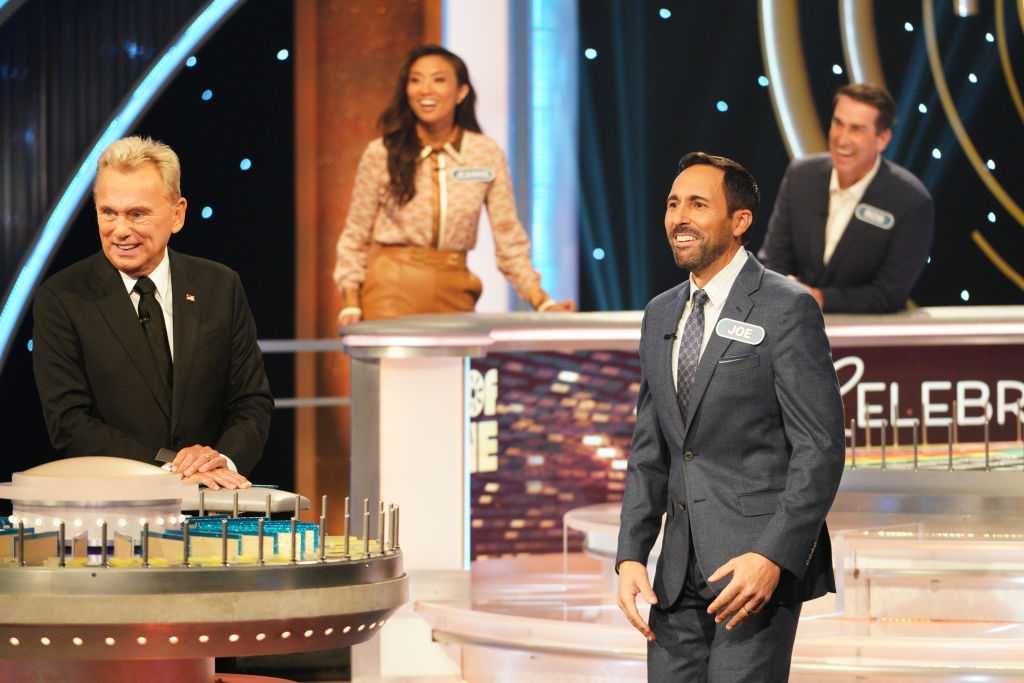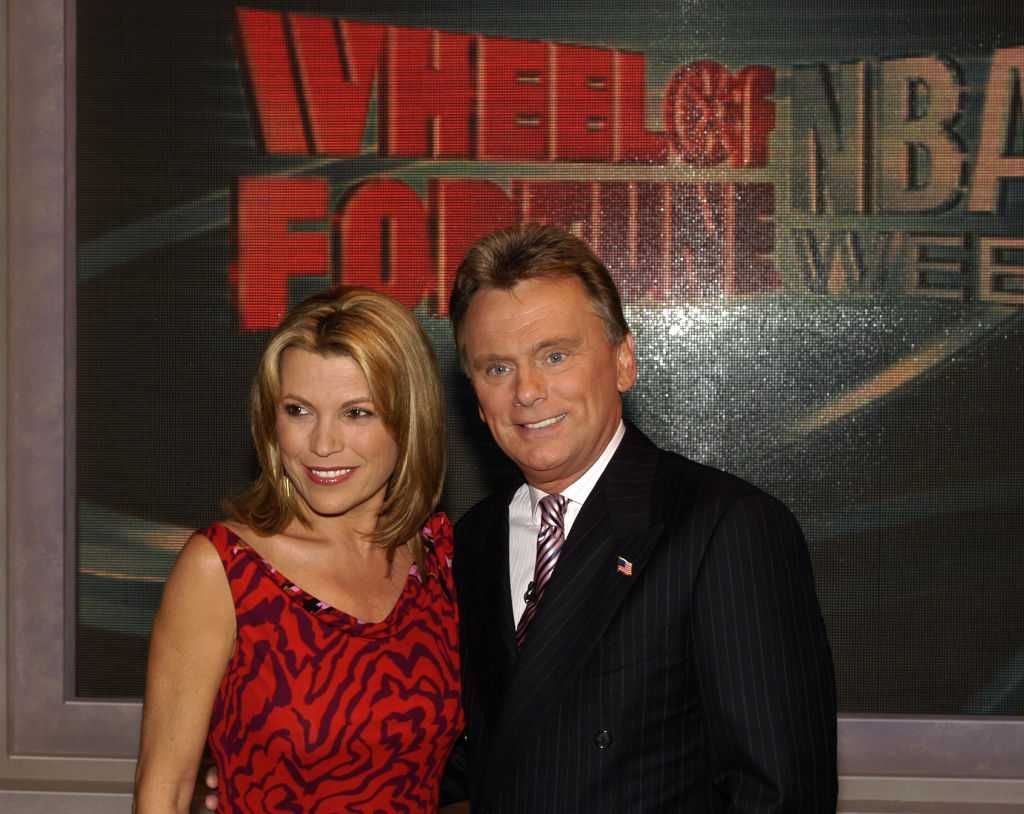
Someone spent years watching Wheel of Fortune and teased out a simple observation: the way men introduce their spouses on national TV seems to predict relationship stability. The data set covers nearly two thousand episodes and points to a clear split between men who add a flattering adjective about their wife and those who introduce her simply as “my wife.” The contrast in divorce rates between those two groups is striking on the surface, and it’s worth a closer look without jumping to grand conclusions. This piece lays out what was counted, what the numbers say, and what to keep in mind before treating game-show intros as marriage therapy.
The watcher, who cataloged episodes from 2010 through 2019, focused on male contestants who mentioned their wives during their introductions. Out of roughly 2,855 men who appeared, about 2,016 referenced their spouse, and the researcher separated those who used a complimentary adjective from those who did not. It’s a tidy split that makes for a memorable headline but also invites a careful read of the methods and limits. That separation is the backbone of the whole claim.
Numbers matter here. Of the men who did attach a compliment—think “beautiful wife” or “wonderful wife”—only about 5.48% were confirmed to have divorced within five years of their appearance. Among the men who introduced their spouse without an adjective, roughly 15.45% had a confirmed divorce in the same period. Those figures are the key takeaway people are repeating, and they’re hard to ignore at first glance.
The researcher himself cautioned that the dataset is imperfect and that his tally covers what he could verify. He described the entries as “full divorces that [he] could confirm,” which is an important caveat because public records, name changes, and private separations can muddy the true picture. That caveat matters because missing or misclassified cases would change the percentages, and the sample is skewed toward people willing to share personal details on TV.
There were other curiosities in the data beyond divorce rates. The study found that men who used flattering language appeared to take home large prizes slightly more often than their less complimentary counterparts. For example, among men who won more than $40,000, those who complimented their wives had a lower divorce rate compared with big winners who did not. That correlation prompts questions about confidence, charm, or luck—none of which are proven causes here.
It’s tempting to read personality from a 30-second TV intro—does the man who says “my wife” seem distant or pragmatic, and does the man who says “my beautiful wife” come off as affectionate and secure? Social cues do carry weight, and speaking kindly about your partner in public signals a certain relational tone. Still, theater and authenticity can overlap: some people are naturally more demonstrative on camera, while others are reserved, and that doesn’t always track perfectly with private behavior.
Context also matters. Contestants know they’re on national television and often tailor their intros to fit the moment. Cultural background, regional norms, and personal quirks shape word choice. A quick phrase under studio lights is not a clinical assessment, and treating it like one risks turning anecdote into dogma. That’s why the researcher’s own restraint in labeling the data as imperfect is useful to keep in mind.
Conversations sparked by this study were short and punchy on social platforms. The TikTok user who shared the findings asked, “Could you imagine your husband going on national television and referring to you simply as his wife instead of his ‘beautiful wife’ or ‘wonderful wife’?” The Wheel of Fortune account replied with a single-word reaction: “Bruh.”
At the end of the day, this is an entertaining slice of pop-culture sociology more than a relationship manual. The numbers invite curiosity and some healthy skepticism, and they remind us that how people present a partnership in public can reflect parts of how they feel. But real relationship health still depends on daily communication, shared values, and private choices rather than a thirty-second soundbite on a game show.