
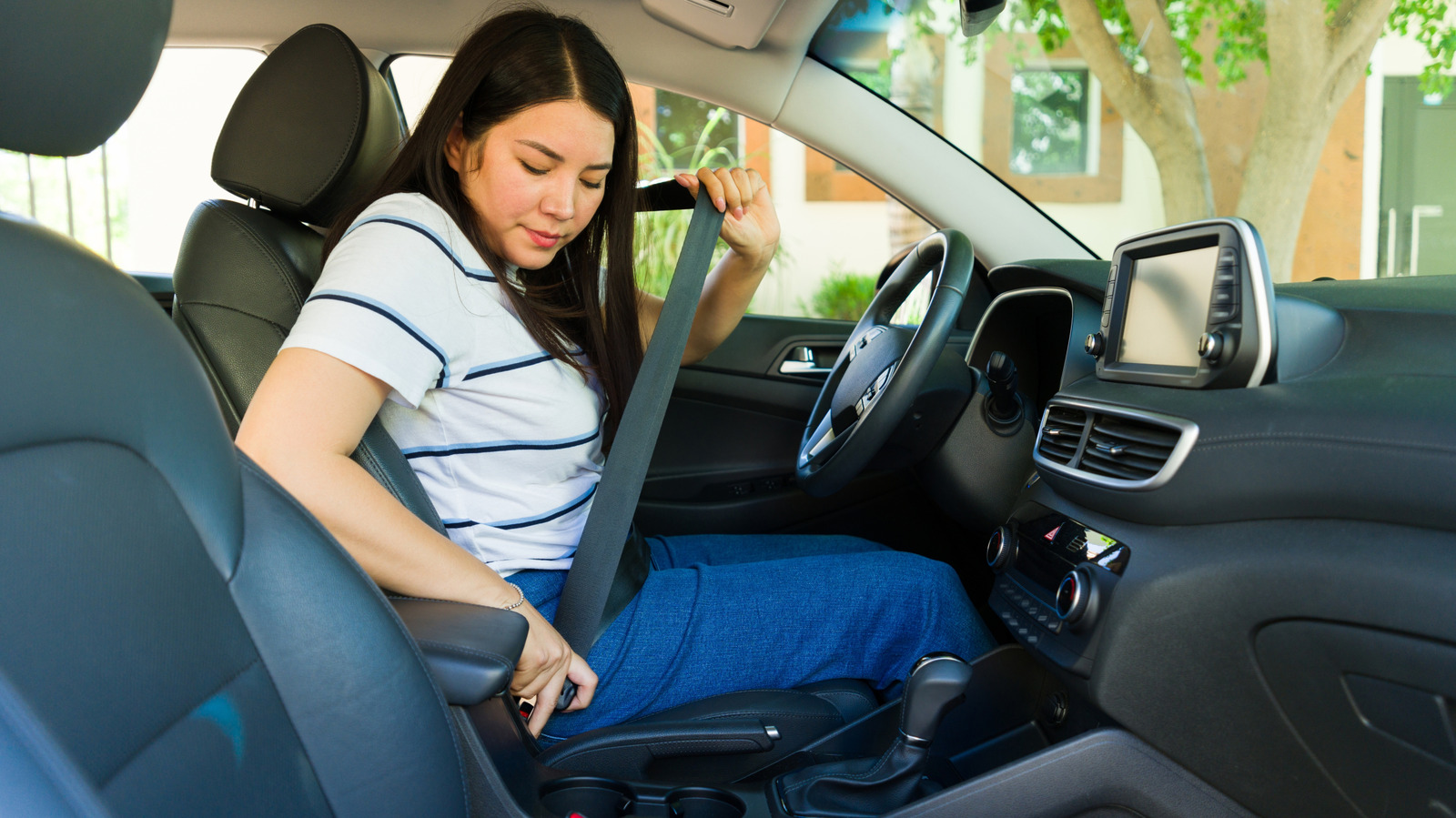
A state that had a stubborn group of people riding unbuckled is finally seeing that number fall, and federal and state safety agencies led by the NHTSA are stepping up enforcement and education to keep the momentum going.
Traffic surveys and law enforcement reports point to a measurable drop in motorists who refuse to wear seatbelts. That shift didn’t happen overnight; it comes after a mix of targeted campaigns, clearer messaging, and changes in how patrols and checkpoints are timed and deployed. Drivers are noticing more consistent enforcement in places where noncompliance was most common.
The National Highway Traffic Safety Administration has taken a much more visible role, coordinating with state safety offices and local police. The emphasis is on high-visibility enforcement tied to public education, not just ticketing for its own sake. Officials argue that consistent presence and clear consequences prompt behavior change faster than intermittent efforts.
State agencies have matched that push with their own strategies, creating multiagency task forces where needed and using data to pinpoint trouble spots. Health departments, transportation departments, and police are sharing crash and compliance data to design smarter operations. The result is enforcement that feels less random and more strategic to drivers who see repeat activity in the same risky corridors.
On the street level, that means checkpoints, increased patrols during high-risk times, and targeted campaigns aimed at demographics with lower seatbelt use. Media outreach is part of the package, with short, straightforward messages about the lifesaving benefits of buckling up. Lawmakers and safety advocates hope the combination of visible enforcement and clear information keeps the trend moving downwards.
There are real-world effects worth noting: consistent seatbelt use reduces the severity of crash injuries and cuts fatalities, and even small improvements in compliance translate to significant public health gains. Hospitals and emergency responders report fewer severe trauma cases tied to unbelted occupants. Economically, preventing serious injuries also eases strain on families and public services.
Still, the ramped-up enforcement has drawn some pushback from people concerned about fines and stops that feel excessive. Officials hear those worries and say the intent is safety, not revenue or harassment, pointing to data that shows lives saved. Some jurisdictions are exploring alternatives such as reminder notices or education-first approaches for first-time offenders to reduce friction with the public.
For everyday drivers, the guidance is straightforward: buckle up every time, make sure children are in the right restraints for their age and size, and secure loose items that could become projectiles in a crash. Simple habits matter—clicking the belt before you move the car sets the tone for everyone inside and reinforces safe behavior. Employers, schools, and community groups can help by normalizing seatbelt use and modeling it consistently.
Looking ahead, the alliance between federal oversight and local enforcement will likely stay in place as agencies evaluate outcomes and tweak tactics. Data-driven policing, paired with clear public messaging and community partnerships, remains the playbook for nudging more drivers into seatbelts. If current trends hold, the next round of safety reports should show continued declines in unbelted travel and fewer severe injuries on the state’s roads.
