
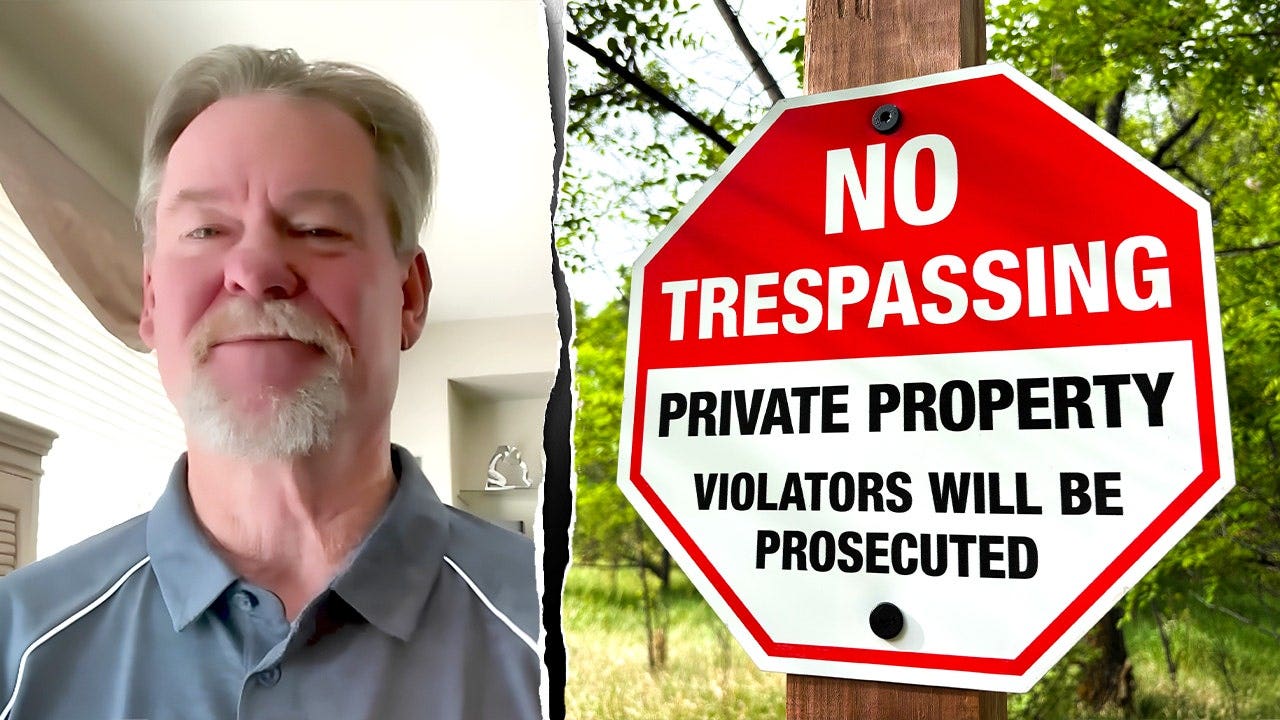
Vacant homes can go from ordinary to exposed in a hurry, and Flash Shelton’s experience shows how fast a quiet property can turn into a legal and emotional mess. Known as the “Squatter Hunter,” Shelton says the real edge comes from simple tech, smart habits, and knowing how squatting problems can spiral before someone moves in and starts making claims.
It all started when Shelton was trying to handle his mother’s empty house after his father died. Seven people took over the property, and what began as a family problem pushed him into a world he barely understood at the time. He says he called the sheriff, learned how civil disputes can slow things down, and decided not to sit back and wait for somebody else to solve it.
That moment turned into a bigger mission, and later into television work following him and his team as they help owners reclaim property. Shelton’s story gets attention because it is dramatic, but the part that matters most is more practical. He keeps coming back to the same idea: if a homeowner can document when someone showed up and how they got in, the whole fight becomes a lot harder to hide.
One of his strongest lessons is also one of the simplest. Cameras can catch the first signs of trouble, and that matters because a moving story is easy to twist once a person is already inside. A clear recording can show a broken door, a suspicious entry, or the exact moment a vacant house stopped being vacant.
That kind of proof can be especially useful when someone tries to muddy the waters with paperwork. Shelton says squatters may present a lease and argue they had permission, which can send owners into a mess of delays and conflicting claims. Once reasonable doubt enters the picture, the property owner can end up stuck in a process that moves much slower than anyone wants.
The broader problem has gotten more attention across the country because states are responding in different ways. Some have passed laws aimed at faster removal, while others are still debating how to handle unauthorized occupancy, fake leases, and civil disputes that can drag on. There is no neat national number for how often it happens, but the growing pile of cases and new legislation says plenty on its own.
Shelton also warns that not every case looks like a random person slipping into an empty vacation house. He has described situations involving elderly homeowners, caregivers, and even high-end properties where the owners assumed the risk was low. His point is blunt: there is no obvious “type” of squatter, and the same goes for the properties they target.
For homeowners trying to stay ahead of the problem, Shelton leans hard on prevention. Cameras, alarms, backup power, motion alerts, and decent lighting all make a property less attractive and much easier to monitor from a distance. Even small details matter, because a house that looks lived in is less likely to draw attention from someone looking for an easy opening.
He also stresses the low-tech stuff, and it is not flashy, but it works. A trusted neighbor can notice a strange car in the driveway, a mailbox can signal whether anybody has been around, and a locked gate or posted notice can help show that the property is not open for business. Those little signals may not stop every bad actor, but they can make a vacant home feel watched instead of forgotten.
Another part of his advice is about timing. If a home is going to sit empty for days or weeks, the owner should test the system before leaving, check battery backups, confirm alerts are working, and make sure there is a plan if the power goes out. A security setup that looks good on paper is not much help if it goes dead the first time someone cuts the electricity.
There is also a bigger legal layer sitting underneath the whole issue. Squatting is often lumped together with terms like “squatters’ rights,” but Shelton says the real fight usually revolves around tenant rights, fake documents, and whether an occupant can create enough confusion to slow removal. That is why local law, police procedure, and property records all matter so much when a home is left unattended.
What makes Shelton’s story stick is that it mixes a personal wake-up call with a very ordinary warning. Vacant homes do not stay invisible for long, and people who watch them are often looking for the smallest gap to exploit. A camera catching movement, a neighbor noticing a truck, or a mailbox that does not pile up can be the first sign that a quiet property is no longer quiet at all.
The warning extends beyond the front door, too. Homeowners also need to pay attention to the title and the records tied to the property, because that adds another layer of defense when something strange starts to happen. A house can be protected on the outside and still need eyes on the paperwork, which is why staying alert from every angle matters more than ever.
