
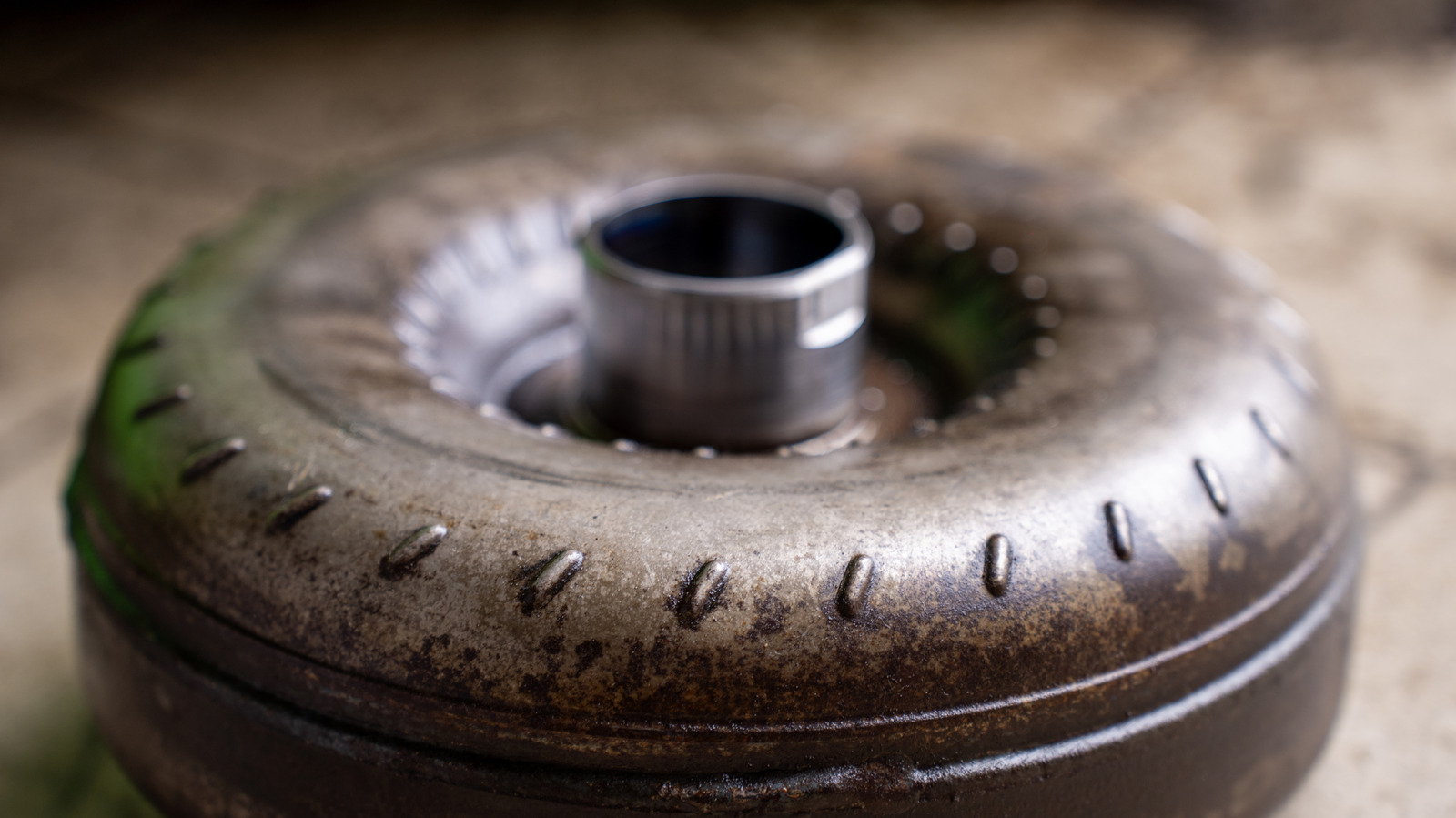
When a torque converter in an automatic car fails, the consequences ripple through how the vehicle moves and feels. This piece walks through what a worn or broken torque converter actually does to a car, the common signs drivers notice, how technicians confirm the problem, typical repair paths, and sensible steps to protect your transmission moving forward.
The torque converter sits between the engine and transmission and manages how power is sent to the wheels. It uses fluid coupling and a clutch mechanism to let the engine spin without locking the transmission at idle, and to multiply torque when you accelerate. When it works properly you get smooth gear transitions and predictable response. When it starts to fail, the drivetrain stops behaving like a finely tuned system and feels more like a guessing game.
Early warning signs are usually nothing dramatic, but persistent and telling. Expect shuddering during takeoff, slipping where the engine revs but acceleration lags, or a noticeable delay when putting the car into drive or reverse. These symptoms can mimic other transmission troubles, so drivers often dismiss them as minor quirks until performance drops or noise becomes hard to ignore.
As deterioration progresses, the converter can overheat, contaminating the transmission fluid and accelerating wear in the gearbox itself. Metal fragments from a failing clutch, or broken turbine fins, circulate in the fluid and contaminate valves and bearings. That contamination turns what might have been a localized failure into a broader transmission problem, which raises repair complexity and cost. In short, a failing converter rarely remains an isolated issue if left unchecked.
Technicians use a mix of road tests and fluid inspections to isolate the problem. A stethoscope or pressure gauge can reveal abnormal sounds or inconsistencies in hydraulic pressure, and a transmission fluid check may show burnt smell or metallic particles. Some modern shops also use scan tools to read transmission sensors and clutch engagement patterns. These diagnostics help avoid unnecessary transmission overhauls by confirming the converter is the weak link.
Repair options vary with the extent of damage and the vehicle’s value. Replacing just the torque converter is common and less expensive than a full transmission rebuild, but it requires the transmission to be removed, so labor costs are significant. If contamination has traveled through the system, a thorough fluid flush or a rebuild might be necessary to restore reliability. Owners of older cars sometimes weigh repair cost against replacement vehicle value and decide accordingly.
Costs and timelines are uneven across makes and models, but expect a multi-hour job and nontrivial expense. Labor dominates the bill because the transmission must come out for access, and high-end or tightly packaged drivetrains increase complexity. Warranty coverage, aftermarket parts, and shop rates all affect the final number. A clear diagnostic upfront saves surprises and lets you choose the most cost-effective route.
Driving behavior and preventive maintenance can slow or prevent torque converter failure. Regular transmission fluid changes, watching for leaks, and avoiding aggressive towing or repeated hard launches reduce thermal and mechanical stress. If you notice early symptoms, pull into a shop sooner rather than later; the sooner a converter issue is addressed, the less likely it is to spread into a full transmission failure. A small repair today can prevent a big bill tomorrow.
When a torque converter finally gives out, the car usually stops being a reliable commuter and becomes a safety concern if slippage or sudden loss of drive occurs. Knowing what to listen and feel for, and choosing prompt diagnostics, keeps repair options open and costs lower. Treat transmission symptoms as urgent maintenance and you’ll preserve both performance and resale value without unnecessary drama.
