
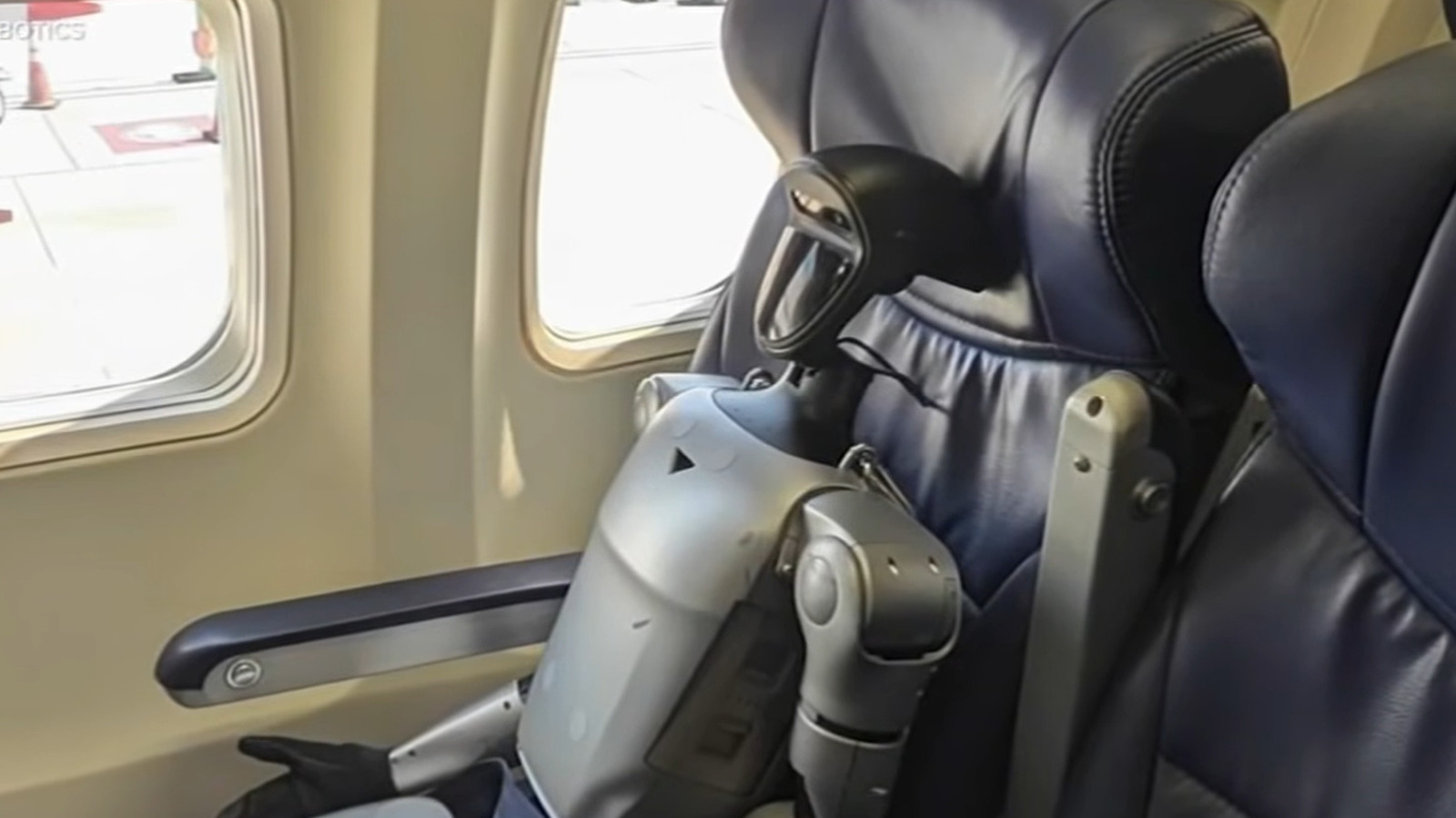
Southwest Airlines has quietly drawn a line in the cabin carpet: robot passengers are not welcome. This article walks through why the carrier moved to a permanent ban on robotic companions, how that affects travelers and makers, and what it reveals about the clash between personal tech and shared public spaces.
Imagine an awkward elbow battle with a machine instead of your fellow human. That mental image helped crystallize public reaction when word spread about Southwest forbidding robot passengers, a decision that turned a quirky headline into a serious policy conversation. The ban taps into questions about space, safety and the simple logistics of cramming one more thing into an already tight cabin.
The airline’s move reflects practical concerns that go beyond novelty. Robots vary wildly in size, shape and mobility, and cabin aisles and seats are not designed for wheeled or bulky devices navigating around luggage and people. Flight crews need clear rules they can enforce quickly, and ambiguous gadgets in the cabin complicate routine safety checks and emergency procedures.
There are also the physical realities of flying: batteries, moving parts and hard shells don’t mix well with jostling luggage and abrupt turbulence. Loose components or compromised battery packs could create fire risks or debris hazards during unexpected maneuvers. When an object becomes a potential threat to dozens of people in a confined space, airlines tend to prioritize predictability over experimentation.
Beyond safety, the ban exposes cultural friction over what belongs in public zones. Some passengers treat small companion devices as personal items, extending the same courtesy as a purse or earbuds. Others see anything robotic as intrusive, especially when devices have cameras, microphones or animated behaviors that draw attention in a setting where people expect a degree of anonymity.
This policy raises immediate questions about passengers who rely on assistive technology. Service animals and medically necessary devices have long been accommodated under regulated frameworks, but robots don’t always fit neatly into those categories. The industry will need clearer definitions to distinguish medical or mobility aids from discretionary gadgets meant for entertainment or companionship.
Tech companies and roboticists now face a travel design problem. If airlines ban certain forms of robots from cabins, makers will be pushed to build travel-friendly iterations that meet safety standards and compactness requirements. We may see foldable designs, fail-safe battery systems and standardized attachment points that make it easier to classify and stow devices on planes.
Enforcement could look messy at first, with gate agents and passengers hashing out whether a device qualifies as a carry-on, a service item or something to be checked. That ambiguity invites confrontation and delays, which is another practical reason airlines opt for simple blanket rules. Clear, consistent policies reduce friction for staff and travelers alike, even if they feel blunt to early adopters.
For the average traveler, the takeaway is straightforward: if you plan to travel with a robot-like device, check airline policy in advance and be prepared for it to be treated like oversized carry-on or denied boarding. Consider alternatives like shipping larger units ahead of a trip or using compact, non-intrusive companions that can stow under a seat. Courtesy still matters—aiming not to monopolize space or create noise is basic airplane etiquette whether your neighbor is human or a gadget.
The Southwest ban is a small but telling example of how everyday tech runs into real-world limits. As imaginative as robotic companions are, public spaces operate on rules designed to keep everyone safe and comfortable. The next time someone jokes about sharing an armrest with an AI, remember this is about more than territorial claims—it’s about finding balance between innovation and the basic constraints of shared travel.
