
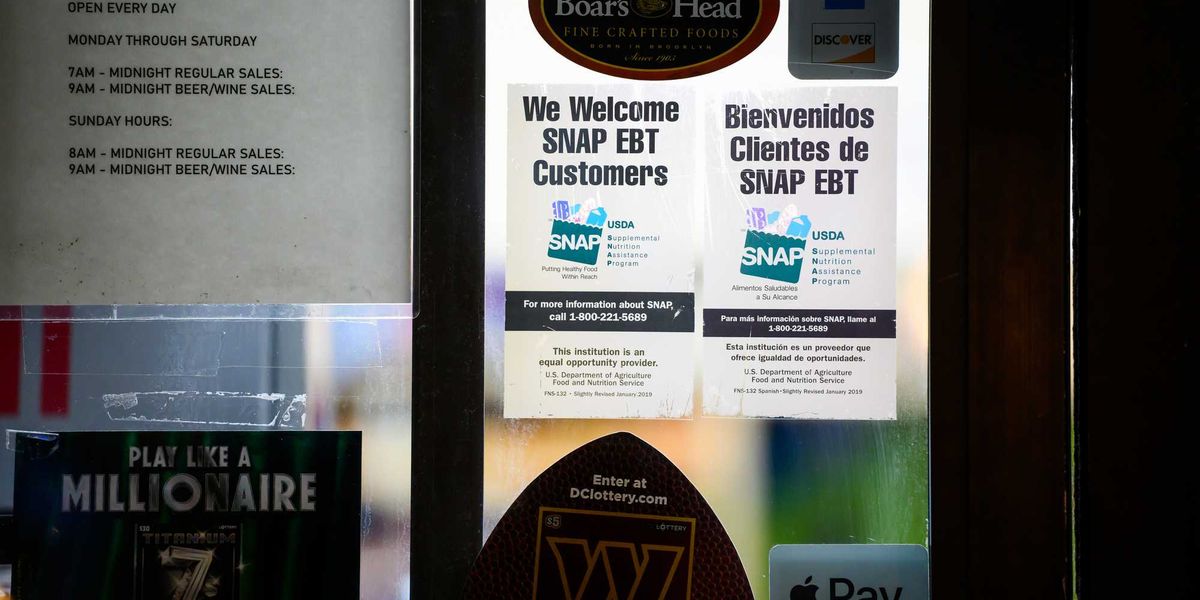
America’s food stamp program is under fire from two angles: rampant fraud and a fight over whether taxpayers should be footing the bill for sugary junk. Federal cases and House hearings have exposed schemes, state pushback, and a court challenge that stopped some states from limiting what SNAP recipients can buy. The debate landed squarely on the Hill and in courtrooms, with both fraud investigators and state leaders demanding accountability.
Local examples read like a crime beat. In Columbus, Ohio, a retailer allegedly traded benefits for a glass bong and wine, while in Rochester a salon owner allegedly exchanged benefits for manicures. A U.S. Department of Agriculture employee is accused of selling millions of dollars worth of EBT access codes to shops, turning a safety net into a black-market pipeline.
Federal Supplemental Nutrition Assistance Program spending reached $101.7 billion in fiscal year 2025, which breaks down to roughly $279 million every single day. Those are taxpayer dollars moving through a system with well-documented vulnerabilities. When numbers that big leak, bad actors find ways to siphon off cash meant for the hungry.
At the center of the policy fight are state efforts to ban soda, energy drinks, and candy from being purchased with SNAP and a federal response that swung back. RFK Jr. framed the case bluntly: “We cannot continue a system that forces taxpayers to fund programs that make people sick and then pay a second time to treat the illnesses those very programs help create.” A federal judge blocked five of the state bans, ruling that only Congress can redefine what counts as food and ignoring medical exemptions for people with diabetes and kidney disease. Rollins called it the work of “an activist judge.” “SNAP is for food — not sugar bombs fueling obesity, diabetes, and skyrocketing healthcare costs for low-income families,” she Tuesday.
The House Oversight hearing laid out how deeply broken parts of the system have become. Chaired by Rep. Tim Burchett (R-Tenn.), the committee spotlighted state-level loopholes and systemic gaps that allow fraud to flourish. Burchett pushed hard on why 21 states refused to provide SNAP data after the USDA flagged roughly $3 billion in potential fraud, including benefits paid to 186,000 deceased individuals and 442,000 people with fake Social Security numbers. “There’s no cohesive force between the two,” he said.
Testimony from the USDA Inspector General and anti-fraud groups sounded like a call to action. John Walk described a California operation called “Mic Drop” where over $2 million in SNAP benefits were allegedly used to buy crack from gang members, and warned plainly: “SNAP dollars, federal tax dollars, used to buy drugs and guns.” Dawn Royal described crowded addresses with dozens of SNAP and Medicaid beneficiaries, calling out a program that has been gamed in open view.
The political back-and-forth got personal in the witness chair. Rep. Brandon Gill (R-Texas) pressed a Democrat witness on whether taxpayers should fund soda, asking pointedly if her organization was funded by companies profiting from SNAP advocacy. Gill: “Are you that ideologically dug in that you want our tax dollars paying for sugary sodas that you will not, in a straightforward way, admit that sugary sodas are not healthful for the American people?” Plata-Nino: “I think that focusing on soda, when people are going hungry is —” Gill: “Do you need data to determine whether drinking soda is healthy? … Do you believe that perhaps drinking sodas every day is healthy?” Plata-Nino: “The worst health outcome is hunger.” Plata-Nino did not answer when asked about funding ties to industry.
What plays out next will matter for budgets and for trust. Some states are keeping restrictions in place while appeals move forward, and the Oversight Committee wants better data sharing and tougher safeguards. Fixes will require both clearer federal rules and state cooperation, or the program will continue to be buffeted by fraud, politics, and the real human cost of wasted taxpayer money.
https://x.com/SecRollins/status/2069443404400922642
