
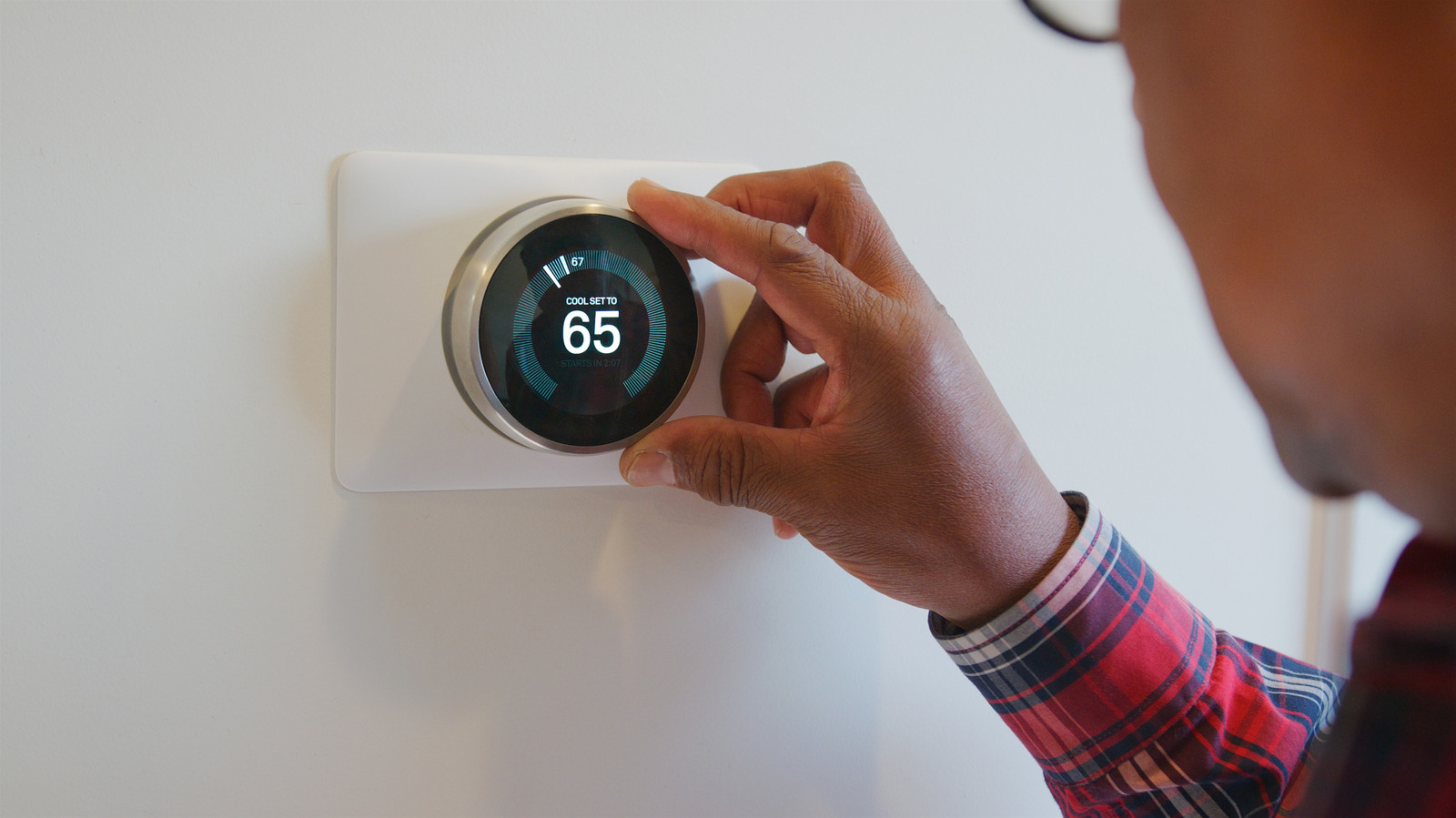
Winter heating gets expensive fast, especially in a two-story home where warm air naturally climbs upstairs and leaves the lower level feeling cooler. A small thermostat adjustment can make the whole house feel more balanced while trimming energy use. The trick is understanding how heat moves, then setting each level up to work with that flow instead of fighting it.
In most homes, the upstairs thermostat should sit a little lower than the downstairs setting during winter. Hot air rises, so the upper floor usually stays warmer on its own and does not need the same amount of heat pumped into it. Starting with a difference of about two degrees Fahrenheit is a practical move, and it often keeps the house comfortable without wasting energy.
That small gap helps the heating system settle into a smarter rhythm. Warm air from the lower floor drifts upward, while cooler air moves down and gets reheated as needed. The result is a steadier indoor temperature and less strain on the system, which can show up later as lower power bills.
Thermostat placement is only part of the story, though. If vents are blocked by furniture, curtains, or clutter, airflow gets choked off and heat cannot spread properly. That forces the HVAC system to work harder than it should, and the extra effort usually means extra cost.
Leaks are another trouble spot that can quietly drain warmth from a home. Ducts with gaps can let heated air escape before it ever reaches the rooms that need it, and worn seals around windows and doors can do the same thing. Tightening those weak points helps keep heat inside where it belongs.
Insulation deserves attention too, especially in the attic. If heat escapes upward too easily, the furnace keeps kicking on to replace what is lost. Good insulation acts like a barrier, holding onto warmth and helping the home stay comfortable longer between heating cycles.
Nighttime settings can make a real difference as well. Dropping the thermostat by around three degrees while sleeping is often enough to cut energy use without making the house feel miserable. Most people adjust quickly, and a heavier blanket usually solves any chill without adding to the electric bill.
Simple habits matter just as much as technical fixes. Using a furnace wisely, keeping airflow clear, and avoiding common mistakes such as relying on the oven for heat or leaving portable heaters unattended all help reduce waste. A few smart choices in the winter can keep the upstairs and downstairs in better sync while the heating system stays in a more efficient groove.
