
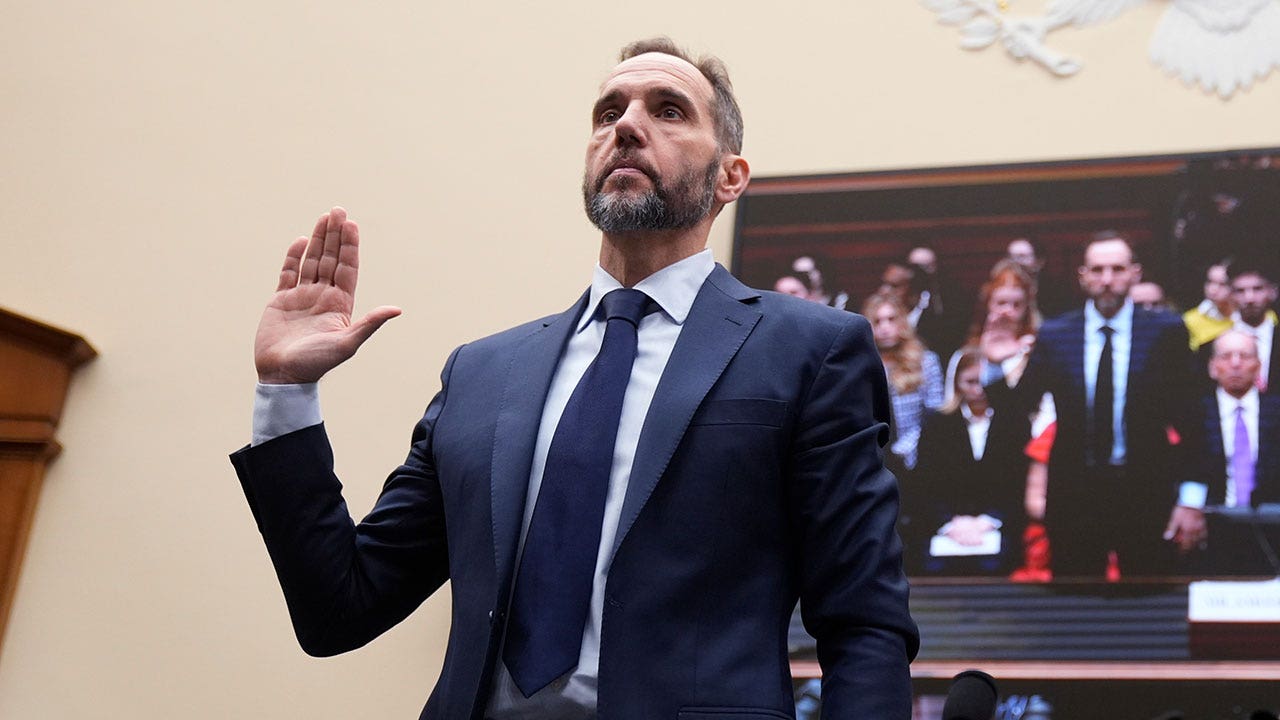
• Senate hearing focused on Jack Smith’s Trump investigation
• Communications involving journalists and White House records
• Records tied to lawmakers, media outlets, and privilege concerns
• Grassley and Johnson questioning DOJ and FBI procedures
• Broader scrutiny of Arctic Frost and investigative safeguards
Jack Smith’s election-related Trump probe is drawing fresh fire as Senate Republicans prepare to dig into records that reached far beyond the original targets. The latest disclosures suggest that text-message data tied to White House phones swept in communications involving journalists, lawmakers, and a wide range of third parties, putting the scope of the investigation under a harsh spotlight.
According to the records described ahead of the Senate Judiciary Committee hearing, material produced by the National Archives in response to a subpoena included communications connected to nearly 50 journalists from major outlets. Fox News personnel were among them, alongside names from CNN, CBS News, NBC News, CNBC, and other major media organizations.
That detail matters because the investigation was never supposed to feel like a dragnet. It was aimed at Trump-related conduct, yet the collection of records now appears to have reached into corners of Washington that usually expect a far higher bar before their communications get pulled into a federal probe.
Senate Judiciary Committee Chairman Chuck Grassley did not sound impressed. He blasted the episode as government overreach and argued that the reaction from the legacy press has been far too soft given the seriousness of what was uncovered.
The whistleblower disclosures cited by Grassley’s office say the subpoena went after records tied to 87 White House phones from Trump’s first administration. That kind of sweep raises the obvious question: who decided what should be collected, what should be screened, and how much sensitive material slipped through before investigators ever laid eyes on it?
One of the most striking names caught up in the records was the Media Research Center, which has already argued that the media ignored earlier revelations about Smith’s work. Fox News, CNN, CBS News, NBC News, CNBC, Reuters, the Associated Press, NPR, the Wall Street Journal, the Washington Post, Bloomberg, the Los Angeles Times, New York Magazine, The Federalist, the Washington Times, and even the nationally syndicated Mark Levin Show are all said to appear in the material.
That list turns a legal fight into something bigger. It becomes a story about institutional reach, media proximity to government, and whether investigators respected the difference between evidence gathering and fishing for anything useful, no matter who got caught in the net.
The subpoena itself dates back to June 2, 2023, when Smith’s office sought text messages from phones tied to numerous first-term Trump officials. Records were later produced by the Archives on Aug. 21, 2023, and Grassley and Sen. Ron Johnson began pressing for answers about how privileged or potentially privileged material was handled.
The senators wanted to know what filters existed, who reviewed the material, and whether investigators had access to communications that should have been protected. That concern only grows when the records include lawmakers and journalists, two groups that can trigger serious constitutional and privacy issues if the boundaries are ignored.
An email from assistant special counsel Thomas Windom directed Smith team members, including prosecutors and FBI personnel, to download documents associated with the White House phone messages. That instruction has become part of the larger debate over how aggressively the probe was run and whether basic guardrails were treated like paperwork instead of limits.
Grassley’s office says it has identified the journalists whose communications appear in the records but will not release their names because of privacy concerns. That choice keeps the focus on the conduct of the investigation itself, which is likely exactly where Republicans want the pressure to stay as the hearing gets underway.
The Justice Department and FBI are still being asked how the screening worked and who approved it. With Arctic Frost already under scrutiny, the new disclosures add another layer of doubt about how far the probe went, who got pulled in, and what other names may have surfaced in the process.
