
The race is on in Washington as lawmakers try to finish revisions to the Protect College Sports Act before the August recess shuts the door on easy movement. With the SEC and Big Ten still looking for changes they can live with, the bill sits in a tense spot, and the clock is doing most of the talking.
In Tampa, the SEC’s annual kickoff week was supposed to be about football, but the bigger buzz followed the bill back to Capitol Hill. The legislation, which cleared the Senate Commerce Committee in June, is meant to bring some order to the chaos around NIL, transfers, eligibility, and conference rules that keep getting dragged into court.
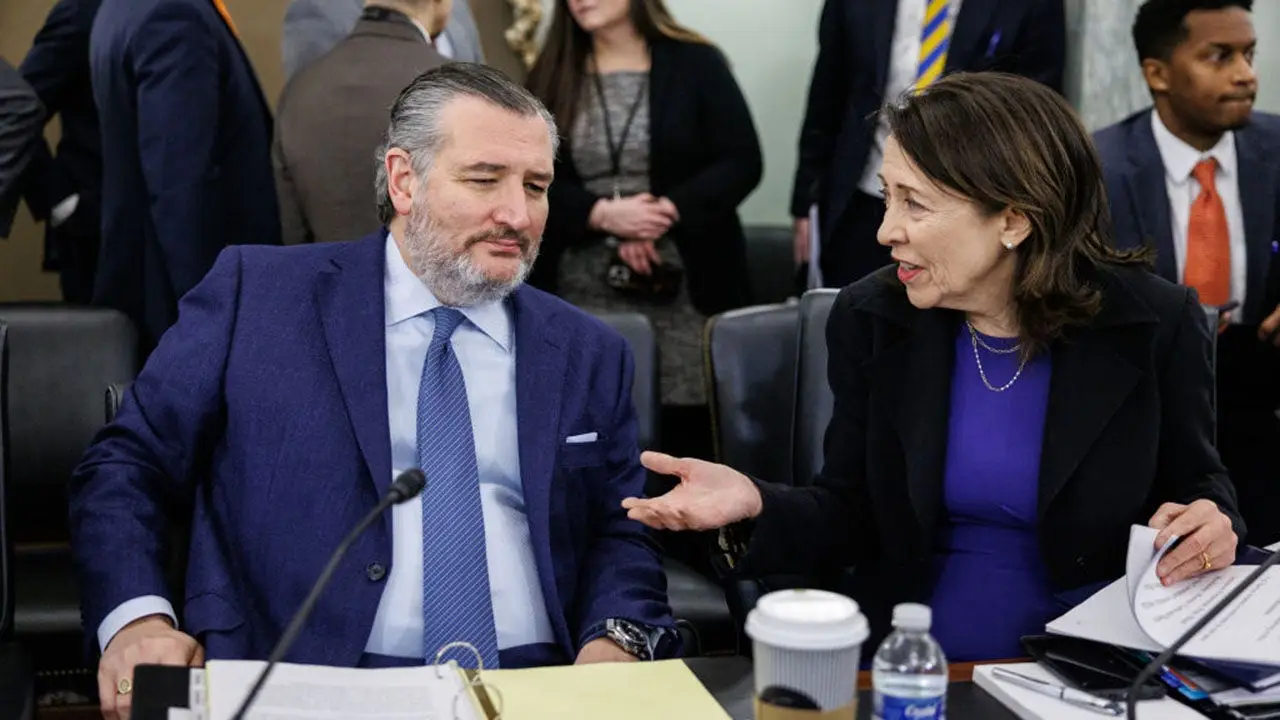
Sens. Ted Cruz and Maria Cantwell have been pushing hard to keep the process alive, and both sides have spent plenty of time haggling over revisions. The problem is simple: the SEC and Big Ten do not like the bill in its current shape, especially when it comes to how much freedom they would have to grow and how revenue would be handled.
That tension is exactly why the bill has become such a Washington headache. College sports has been asking Congress for help for years, but once lawmakers actually step in, the debate immediately turns into a fight over how much federal oversight is too much and who gets stuck with the downside.
Senate Majority Leader John Thune made it pretty clear Thursday that a vote before the recess looks unlikely, and that has only fed the uncertainty. Still, people around the talks are pushing back on the idea that the legislation is dead, saying the door is still cracked open if the revisions can be tightened fast enough.
“They’re working on language through the night, and that’s probably not how they’d be spending their Thursday night if there wasn’t a chance,” Sen. Maria Cantwell spokesperson Ansley Lacitis told Fox News/OutKick
The core fight is not just about politics, it is about control. The SEC and Big Ten want a bill that does not box them in, while senators are trying to build a framework that settles NIL rules and limits the kind of constant chaos that has turned college athletics into a legal mess.
One of the most sensitive issues is media rights pooling, which conference leaders see as a financial trap if it is not truly voluntary. If the language feels forced, support gets harder to lock down, and that is one reason the conferences are watching every draft line like hawks.
SEC commissioner Greg Sankey has been blunt about the calendar, noting that August is a real milestone and not just some random date on the wall. Once Congress leaves town, he said, the attention shifts to bigger fights like budgets and taxes, and lawmakers are not likely to circle back to clean up college sports later.
“I consider it a milestone (August timeline), the August recess,” Sankey noted. “Congress does return in September. Then once they’re through in September, you have budget battles, we’ve seen how those play out. So, it is important to try and keep moving, that has been a part of our communication, and there has been a lot of energy and effort expended by Senators, which we appreciate, to try and make adjustments.
“I think the reality is, if a bill is produced and advances, and it’s eventually signed into law, the view will be we’ve solved those problems. And, Congress is going to move onto taxation, funding whatever, international issues. You just make a list, they have a lot of important issues, and they’re not coming back to close gaps or solve problems. That’s why since the act was introduced, we’ve been focused on common sense adjustments to close the loopholes and make this manageable. There’s energy and effort in that, but that doesn’t mean we’re at the finish line yet.”
That is the part making everyone nervous. The bill may be moving, but moving is not the same as landing, and with the House still a separate hurdle, there is no guarantee that any breakthrough in the Senate would turn into a signed law.
Even if the revisions finally come together, the legal fights around college athletics are not exactly going away quietly. By the time lawmakers get done arguing over transfers, eligibility, and revenue-sharing, there is a pretty good chance another lawsuit is already lining up for the next round.
