
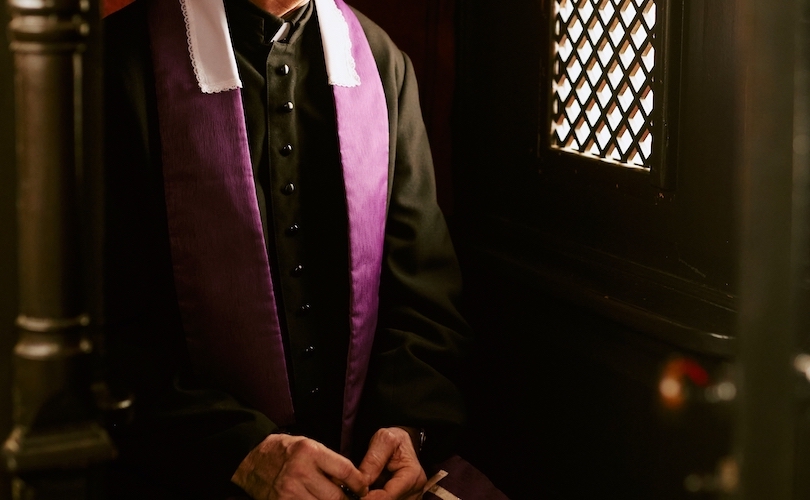
Legal scholar Paul Cassell took apart an academic paper that urged limits on the confessional seal, arguing the paper’s claims about priestly confidentiality enabling child sexual abuse were unsupported and legally troubling. This piece walks through the key points of his critique, the risks of blunt legal fixes, and alternatives that focus on child protection without gutting religious practices.
The controversy began with an academic paper arguing that absolute confidentiality in confession can shield abusers and obstruct reporting. That claim touches raw nerves because protecting children is nonnegotiable, and any suggestion that religious practice could be a barrier sparks urgent debate. Cassell stepped into that debate with a sharply critical legal eye, not to defend clergy automatically but to challenge the evidence and logic behind calls for sweeping change.
Cassell’s first strike is empirical: the paper he rebuts leans heavily on anecdotes and theoretical linkage rather than robust data showing the confessional seal is a systemic driver of abuse. He points out how timelines, contexts, and alternative explanations were often flattened into a simple cause-and-effect story. In policy fights, anecdotes move hearts, but they do not always justify law.
On the legal side, Cassell highlights significant constitutional concerns that arise when the state moves to carve out exceptions to religious confidentiality. Interfering with sacramental privacy raises free exercise and maybe associational questions in ways that courts do not treat lightly. Any attempt to legislate narrow exceptions must wrestle with precedent and the hard-to-predict consequences of forcing religious institutions to choose between obedience to faith and compliance with civil law.
Beyond the courtroom risks, Cassell warns of the practical backlash of blunt reforms. If the seal is eroded, penitents may avoid confession or any contact with clergy—and that can push vulnerable people away from a channel where they might receive pastoral care and be encouraged to seek civil help. Policies that aim to catch abusers but end up driving survivors into silence would be a tragically perverse outcome.
Rather than wholesale nullification of the confessional seal, Cassell and others suggest targeted, evidence-based measures that strengthen child safety without dismantling religious practice. Those approaches include better screening of clergy, mandatory reporting training for church staff, robust cooperation with civil authorities outside sacramental contexts, and clear internal accountability mechanisms within faith communities. These are practical steps that address risk points where civil and religious responsibilities intersect.
Part of Cassell’s critique also focuses on analytic rigor. He calls for careful distinction between secrecy that protects abusers and confidentiality that genuinely helps victims and penitents. Laws brittle enough to blur that distinction risk criminalizing ordinary pastoral care and confusing priests who must navigate competing moral obligations. Smart policy should preserve space for conscience while making sure ordinary protections for minors are nonnegotiable.
The debate is not just legal theory; it’s also about community trust and institutional culture. Churches that acknowledge past failures and invest in transparency and victim support can reduce the space in which abuse flourishes, without relinquishing core doctrines. Cassell’s point is blunt: legal blunt instruments are a poor substitute for cultural change and practical safeguards that can be implemented now.
As courtrooms, legislatures, and parish halls weigh next steps, the conversation needs to stay focused on what will actually protect children and maintain respect for deeply held religious practices. That means testing assumptions, demanding solid evidence for policy shifts, and favoring reforms that tighten accountability where it matters most rather than tearing away long-standing protections in a single sweep. What follows will be debate in many forums, and the shape of that debate will have real consequences for safety and conscience.
