
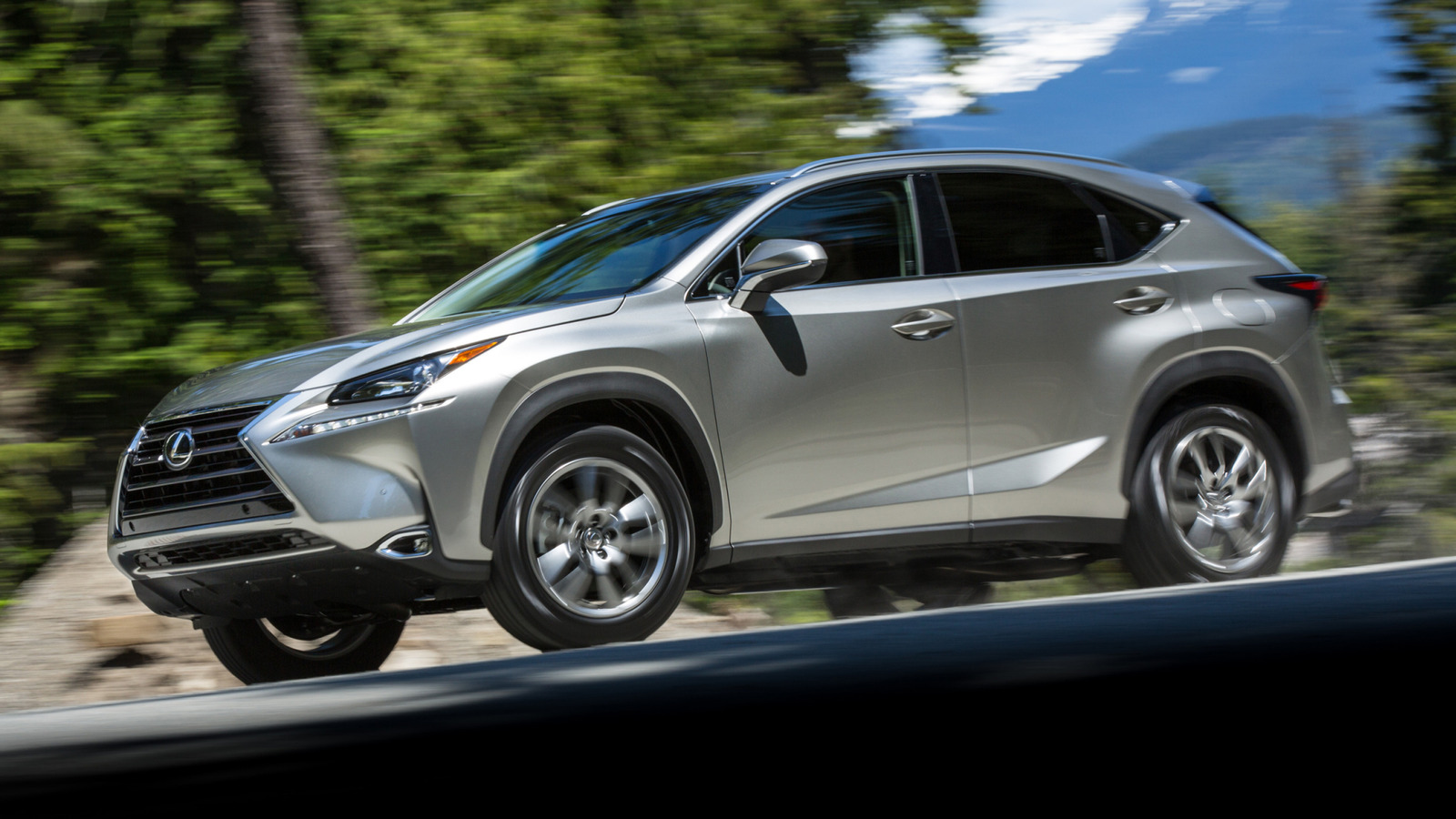
Finding a luxury Lexus SUV for under $20,000 feels like a long shot these days, but a careful search in the used market can turn up solid, well-kept examples that deliver comfort, reliability, and a touch of luxury without breaking the bank.
The reality is simple: new cars have climbed in price, and a new Lexus SUV is well out of that range, so the smart move is to focus on lightly aged models with good service histories. You will need patience, a methodical approach, and a willingness to act quickly when the right car appears. This article walks through what to target and how to avoid common pitfalls.
Start by narrowing which Lexus SUVs are realistic buys in this price band. The RX family is the most common find because it has broad appeal and numerous examples on the market, while the GX and LX tend to hold value longer and are rarer under $20k. Focus on mid-sized models and earlier generations of the RX for the best chance of value without sacrificing the Lexus experience.
Know what to check under the hood and under the car before you get emotionally attached. Look for clean service records, consistent oil changes, and evidence of routine maintenance like brake and tire swaps. Pay attention to transmission behavior, coolant condition, and any leaks around the engine or transfer case, since repair bills on luxury SUVs can climb fast.
Mileage is a major factor but not the only one worth weighing. A well-maintained RX with 150,000 miles and a full service history will typically be a smarter buy than a 60,000-mile example with spotty records. Hybrid models can be tempting for efficiency, but battery replacement costs should be factored in if the hybrid system is out of warranty.
Always do a hands-on inspection and a thorough test drive before committing. A professional pre-purchase inspection will flag items you might miss, such as suspension wear, hidden rust, or prior structural damage, and it can strengthen your negotiating position. During the test drive, listen for transmission hesitation, strange vibrations, and any abnormal noises from the drivetrain or steering components.
Remember total cost of ownership when assessing whether a deal is truly economical. Lexus parts and labor can be pricier than mainstream brands, and luxury SUVs typically use premium fuel and require more expensive tires and brake components. Factor in insurance, routine maintenance, and the potential for single costly repairs when setting your maximum price.
Where you look matters as much as what you look for. Private sales can yield bargains if the seller has maintained the car carefully, while dealerships may offer short-term warranties that reduce immediate risk. Use VIN checks and insist on a clean title and documented service history, and be especially cautious about flood-damaged vehicles and salvaged titles disguised with fresh sheets of paperwork.
