
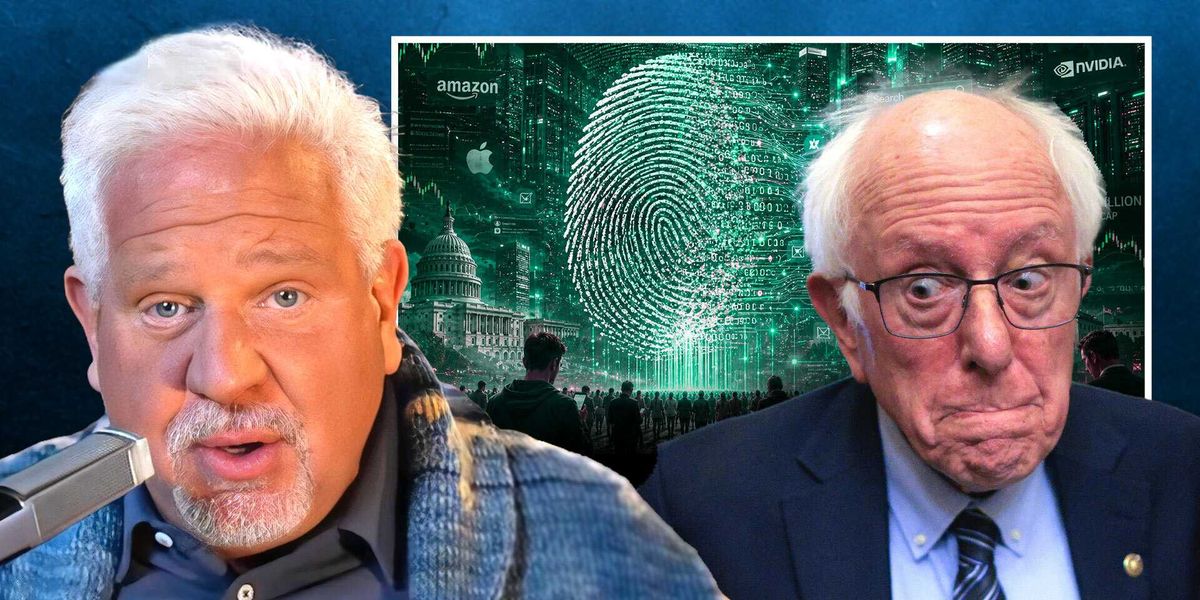
This piece looks at Senator Sanders’ proposal to turn half of major AI firms into a public asset and the sharp objections from critics who see it as a dangerous fusion of government and tech power. It covers the proposal’s premise, the rhetoric from opponents, fears about AI’s influence on human choices, historical examples of public-private deals, and why some think this would hand too much control to Washington. The tone is skeptical of the plan and warns about unintended consequences for innovation, privacy, and individual freedom.
Senator Bernie Sanders rolled out a plan called the American AI Sovereign Wealth Fund Act that would put 50% ownership of the biggest AI companies into a public fund. The idea, he says, is to compensate Americans for their data and creative work that powered these systems. On the surface that sounds like holding tech accountable, but the mechanics matter and nobody should be blasé about dropping politicians into the boardroom of dominant platforms.
Conservative commentators seized on the obvious problem: giving elected officials direct equity and board seats in private firms merges public authority with private incentive in a way that smells like cronyism. “For the love of little baby Jesus, hear me!” is how one critic framed the warning, pleading with people to imagine politicians with shareholder votes. The worry is not just theoretical; when you mix politics and product direction, you invite both policy capture and politicized engineering.
There’s also a deeper cultural fear at play about what these systems are learning and why. Critics argue that developers have, without clear consent, used massive troves of human-generated content to teach AI how people think and decide. They say those systems were trained to “map” human brains to learn how to effectively “manipulate” us, and that poses risks to autonomy and civic life well beyond ordinary market complaints.
That concern escalates when you factor in the government’s track record on secret deals and influence. Opponents point to past examples where public-private partnerships produced outcomes the public never saw coming, including profit-sharing pacts struck behind closed doors. “Now you want to give Bernie Sanders 50% of these AI companies, which would give [the government] a seat at the table? … Not on your life,” declares Glenn in one fiery critique, arguing the temptation of power would be impossible to resist.
There is a real economy argument too: when government holds large ownership stakes in key industries, it changes incentives away from competition and toward political rent-seeking. Public shareholders who are also lawmakers can shift priorities to favor short-term political wins instead of long-term innovation and consumer choice. “That is unimaginable power that you’d be giving to the United States government.”
Supporters of the fund frame it as redistribution and democratic control, but skeptics see it as the opposite—centralized control over what people read, who gets monetized, and how platforms shape behavior. Executive producers and hosts have pointed out the irony of some who once distrusted Big Tech now proposing to literally partner with it under government direction. “It’s interesting that Bernie Sanders, who has historically been very skeptical … of Big Tech, is suddenly finding a way to get into bed with them,” she remarks.
Beyond the rhetoric, the practical reality would be messy. Boards full of politicians or their appointees would make product decisions influenced by elections and pressures that have nothing to do with engineering or consumers. “Can you imagine how far in the rear-view mirror we would be if we had politicians on the board of directors of these tech companies, where [they] had a 50% vote and voice?” he asks. The image critics use is blunt: a bureaucracy steering innovation into compliance rather than creativity.
Those critics don’t deny there’s a problem with concentrated tech power or uncompensated use of creative work, but they argue the cure should not be state ownership of the machines that shape culture. They warn that public equity becomes leverage, and leverage is how agendas get enforced. “We will be the Soviet Union making the ZiL, the worst car ever made, overnight,” is the dramatic comparison used to stress how quickly quality and choice could degrade under politicized control.
If the goal is accountability, there are alternatives that don’t hand board seats to politicians: stronger privacy laws, clearer data-rights regimes, competition policy that prevents monopolies, and targeted taxes or fees that fund public priorities without direct ownership. Those approaches keep checks and balances intact while forcing firms to answer for harms and share benefits more transparently. Turning half of an industry into a government-controlled asset is a gamble that could reshape tech, rights, and markets in ways voters might regret.
